If you’ve been wondering why you haven’t seen salads in stores or restaurants as much lately, you’re not alone.
A growing Cyclospora outbreak has prompted a voluntary recall of certain iceberg lettuce products that were distributed to foodservice companies in 27 states and sold under select retail brands. While the recall has made many consumers nervous, health experts say there’s no reason to avoid all lettuce. The key is knowing which products are affected—and which are still considered safe.
The good news is that most lettuce sold in grocery stores is not part of the recall.
At this time, the recall primarily involves:
Experts note that buying a whole head of lettuce instead of pre-shredded varieties may reduce the risk of contamination because fewer processing steps mean fewer opportunities for contamination.
If you’re unsure where your lettuce came from, check the packaging, ask your grocery store, or simply throw it away if it matches the recalled dates.
The recalled lettuce was distributed across 27 states, but illnesses have not been evenly spread.
While the Cyclospora outbreak has sickened people across the country, health officials say the number of illnesses has varied significantly from state to state.
Many of the early confirmed cases were linked to Taco Bell restaurants that received shredded iceberg lettuce from the recalled supply chain in Indiana, Kentucky, Michigan, Ohio, and West Virginia, prompting federal investigators to trace the source back to Taylor Farms de Mexico.
According to Taylor Farms and the FDA, recalled shredded iceberg lettuce and related products were distributed between June 29 and July 16, 2026, to the following states:
It’s important to remember that distribution does not necessarily mean illnesses occurred in every state. The list simply identifies where recalled products were shipped. Health officials continue to investigate where contaminated lettuce may have ultimately been served or sold, and additional states could be identified as the investigation continues.
Unfortunately, not always.
Cyclospora is a microscopic parasite that can cling tightly to leafy greens. Washing helps reduce dirt and some germs, but it cannot guarantee removal of Cyclospora.
Avoid washing lettuce with soap, bleach, vinegar, or commercial cleaning products, as these are not recommended by food safety experts and can leave harmful residues.
If your lettuce is part of a recall, washing is not enough. Throw it away.
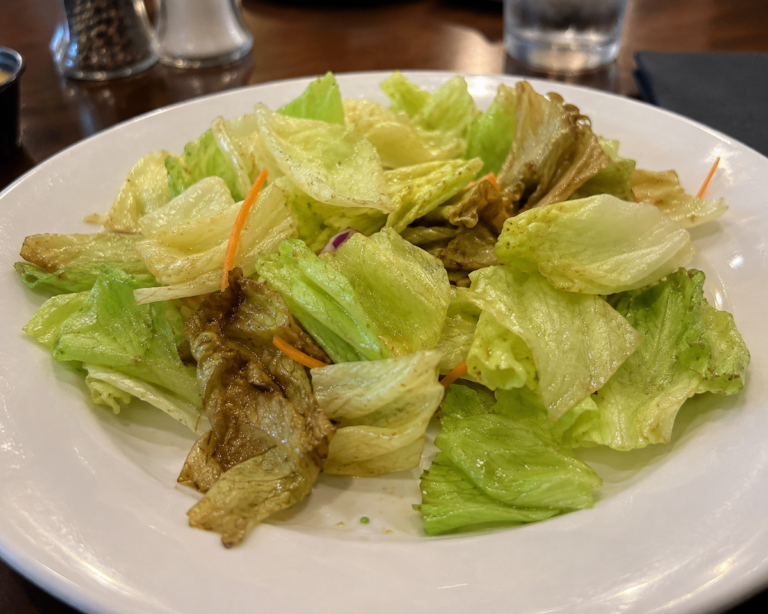
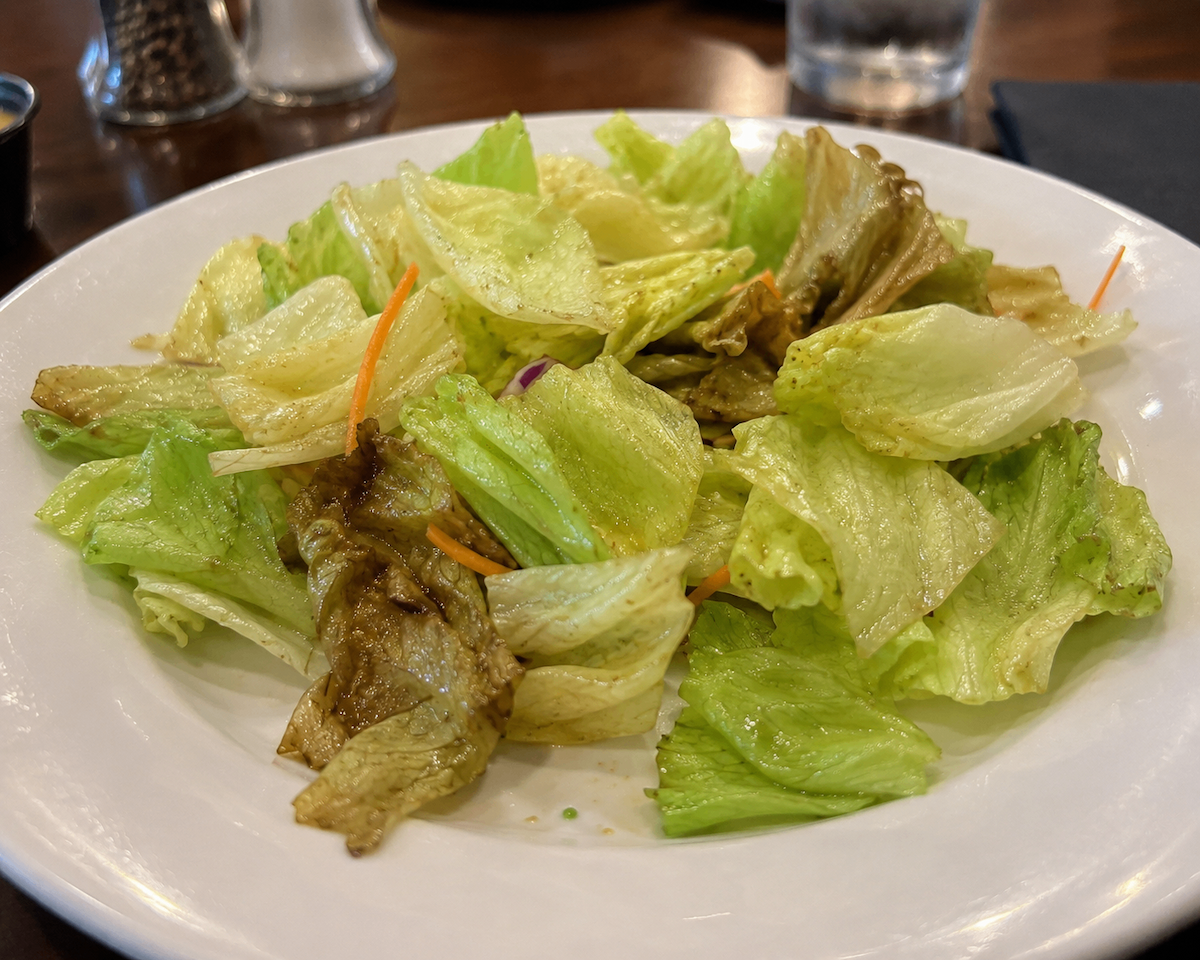
Most restaurants take food safety seriously, but mistakes can happen.
If your salad looks or tastes unusual, trust your instincts.
If something seems off:
If you develop symptoms after eating restaurant lettuce, contact your healthcare provider and report the illness to your local health department. This information helps investigators identify outbreaks more quickly.
Cyclospora infections usually appear within 2 to 14 days after eating contaminated food.
Symptoms include:
Without treatment, symptoms can last for several weeks and may come and go. Fortunately, Cyclospora infections are treatable with prescription antibiotics once properly diagnosed.
The current recall should not scare you away from eating healthy salads altogether. Instead, be an informed shopper.
Stick with lettuce from trusted sources, avoid recalled products, wash produce properly, and don’t hesitate to speak up if food served at a restaurant doesn’t seem fresh. Fresh vegetables remain an important part of a healthy diet, and with a few precautions, you can continue enjoying them safely.

By subscribing, you consent to receive emails from BlackDoctor.com. You may unsubscribe at any time. Privacy Policy & Terms of Service.