Blurred vision, eye pain, reduced peripheral vision — these are all common symptoms of the eye condition glaucoma, which is referred to as the “silent thief of sight.” While this condition is more common in older adults, it can occur at any age. For patients of color, this condition is typically more prevalent.
Black and Latinx populations experience the highest rates of glaucoma in the United States. In some age groups, glaucoma was found to be six times more prevalent among Black Americans compared to individuals of European descent. For this community, glaucoma can develop at younger ages and can be one of the leading causes of irreversible blindness.
To better serve the Black community, glaucoma clinical trials need to include Black patients, as this can help researchers develop better treatments. Greater participation from Black patients can help ensure those treatments work for everyone.
Like most clinical trials, glaucoma clinical trials aim to determine the efficacy of new medications, treatments, devices, and therapies. This can include treatments like eye drops, sustained-release medications, laser therapies, imaging techniques, and more. Some trials work to test minimally invasive glaucoma surgery (MIGS), diagnostic tools, AI-assisted screenings, and even gene therapies, where appropriate.
These trials are often split into different phases:
RELATED: 15 Questions to Ask About Clinical Trials
Some factors drive higher rates of glaucoma in Black communities, including family history and social determinants of health, like economic stability, education access, and healthcare access. Black individuals are more likely to develop the disease earlier than white individuals and have an increased risk of vision loss from the condition.
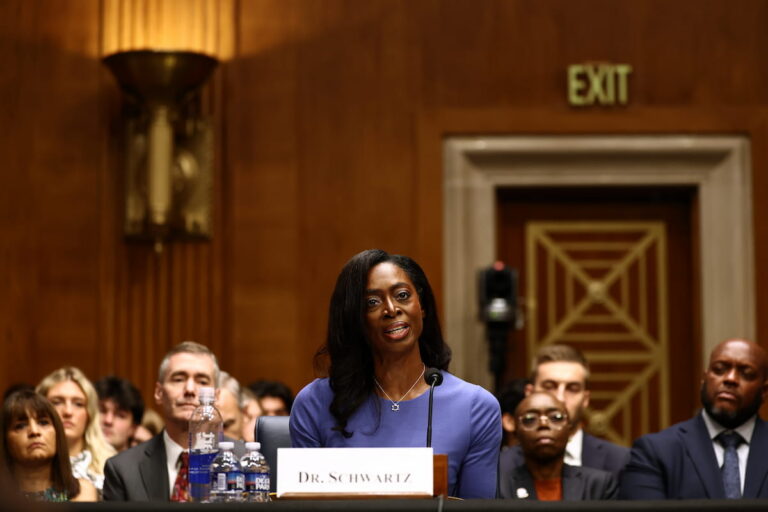
Mfazo Hove, MBChB, MD, FRCOphth, CertLRS, serves as the medical director and consultant ophthalmologist at Blue Fin Vision. He explained some of the disparities for Black patients when it comes to glaucoma, which include an ancestry-related component.
“Black patients also tend to present younger and with more advanced disease,” Dr. Hove says. “Research has shown the average age at diagnosis is around 63.7 years in Black patients compared with 69.1 years in White patients, often with greater optic nerve damage already present. This is a picture of higher risk, earlier onset, and a greater chance of sight loss.”
Unfortunately, glaucoma symptoms are not always noticeable, says Shira Kresch, OD, MS. Dr. Kresch has practiced optometry for over 10 years and is a Fellow of the American Academy of Optometry.
“In practice, what I am most worried about is that glaucoma does not typically have any symptoms during the initial stages,” Dr. Kresch says. “Many patients don’t realize their vision is impaired until permanent damage has already occurred.”
It has been historically documented that Black patients are underrepresented in clinical research. Primary open-angle glaucoma, or POAG, is the most common form of the disease and has the highest rates among Black individuals, according to a 2021 study from JAMA Network. However, this community is not accurately represented in clinical trials for this condition. From 1994 to 2019, participant enrollment of Black patients in glaucoma clinical trials remained about the same.
Despite being the most affected by glaucoma, Black patients are not adequately represented in research. As for any condition, treatments should be studied in populations most affected by the disease. Representation doesn’t just improve understanding of the effectiveness, safety, dosing, and outcomes of treatments, but it also helps improve care for future generations.
For Dr. Hove, this matter is more than just a professional matter.
“I have experienced this personally,” Dr. Hove says. “I took part in a clinical trial at Moorfields and saw first-hand how few participants looked like me. Many Black people remain understandably cautious about research because of historical mistrust, but when we are absent from trials, we are absent from the evidence that shapes future care.”
While eligibility for a clinical trial depends on each study, there are usually common requirements, including:
“A thorough screening is done by the research team before anyone joins a study,” Dr. Kresch said. “They assess medical history, current medications, eye health, and other factors to decide whether or not it is appropriate to participate. That process safeguards patients and assures that the study will yield scientific data.”
While some studies may require patients to already have glaucoma, some may require those who are at risk for the disease or have a specific type of the disease.
As in any clinical trial, the participant’s safety is always the top priority. However, it’s important to note that all trials involve some risk and that participants understand this before taking part in the study. Informed consent is the first step for any trial.
“Importantly, properly regulated glaucoma trials do not leave patients without treatment,” Dr. Hove adds. “New therapies are tested alongside established standards of care, and informed consent is central. Patients receive full information before taking part and can withdraw at any time.”
If you or a loved one is interested in participating in a glaucoma clinical trial, the first step is to speak with your doctor — whether that’s your primary care provider, ophthalmologist, optometrist, etc. They can advise you on whether or not participating in medical research will be beneficial for your eye health.
Here are some resources for finding specific trials:
RELATED: How to Find a Clinical Trial That Actually Works for You
Despite experiencing some of the highest rates of glaucoma in the U.S., Black Americans are underrepresented in clinical trials of the disease. While it should not be the sole job of Black individuals to ensure equality in medical research, it can be a fulfilling and vital opportunity for those who wish to contribute.
“Representation is not just a statistic,” Dr. Hove says. “It can influence whether future generations receive treatments and advice that truly reflect their needs.”
Typically, no. “For many, study medications, tests, and follow-up visits are given free of charge,” Dr. Kresch explained. “Each study is unique, however, and patients should be sure to find out from the research team what costs are covered before entering the study.”
This cannot be guaranteed. If it is a randomized glaucoma trial, there is a chance of being assigned to a placebo group, which typically receives the control or standard treatment.
Glaucoma clinical trials can last anywhere from a few months to several years, depending on the specific study and its current phase.
This will depend on your specific research center.
“There are some clinical trial sites that accept self-referrals; others may require a referral from an optometrist or ophthalmologist,” Dr. Kresch says. “If someone is interested in doing so, I suggest that they contact the study coordinator directly to find out how to enroll in the study.”

By subscribing, you consent to receive emails from BlackDoctor.com. You may unsubscribe at any time. Privacy Policy & Terms of Service.