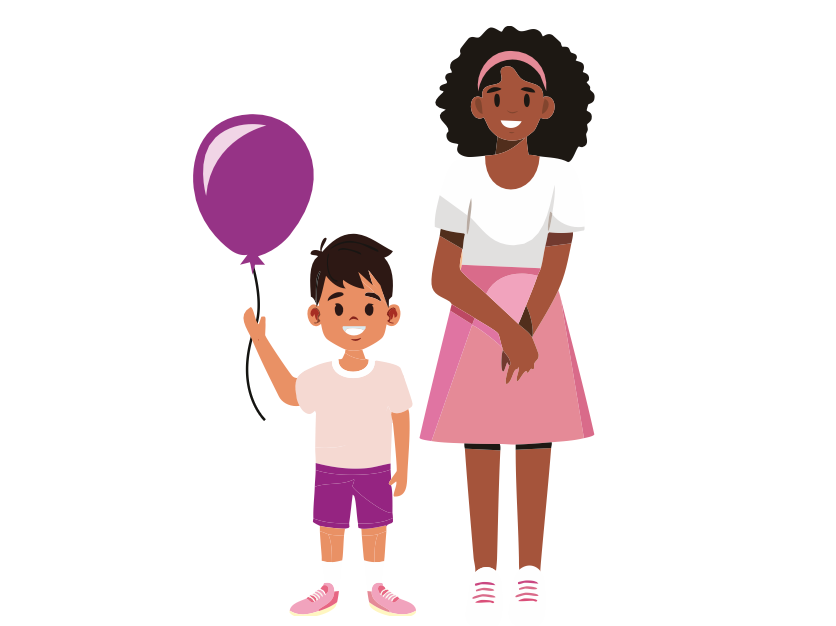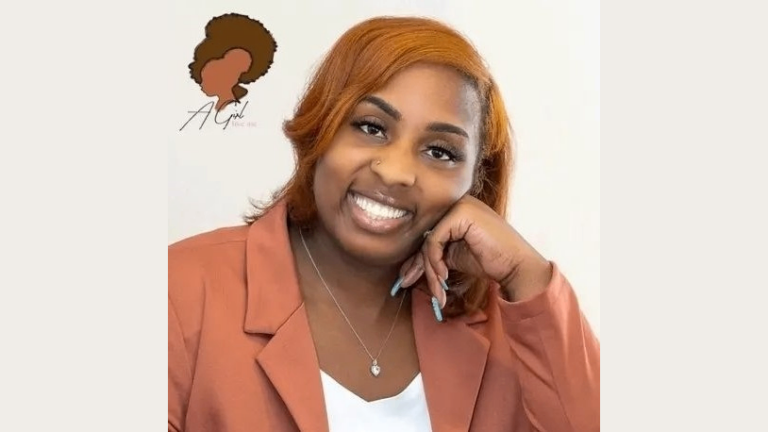
Becoming a mother at 14 is a journey defined by immense emotional hurdles, isolation, and navigating a world entirely unprepared to offer a teenager the support she needs. For Tyra Moore, those early years involved facing severe mental health challenges and harsh judgments within her own household—a dark period that nearly ended in tragedy until the sound of her baby daughter’s voice pulled her back from the brink.
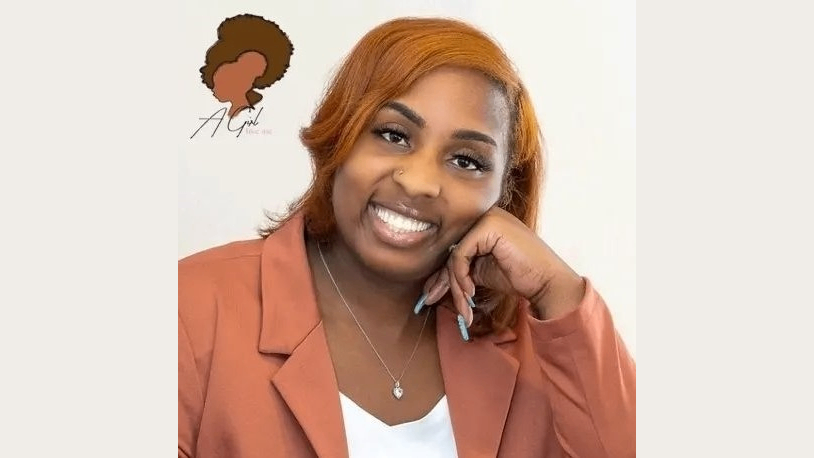
Today, Moore has channeled those painful early experiences into a powerful lifeline for others. As the founder of A Girl Like Me Inc., she has dedicated her life to ensuring that no young mother or teenage girl ever has to walk through the shadows alone.
RELATED: “I Was in Labor for Two Days—and Didn’t Know It”: Why Speaking Up Can Save Black Mothers
“I was scared; I didn’t have any type of medical guidance… I went through a lot of judgment starting right in my household with my mom. It felt like my life was over, that I was never going to be anything, and there was a time when I wanted to take my life,” Moore recalls.
Without open conversations about reproductive health or basic hygiene education, she was left to figure out everything on her own. The stigma reached a breaking point, causing her to contemplate ending her life. However, a sudden moment of clarity—hearing her baby make a cooing noise just as she felt ready to give up—changed everything.
“I had to be like, ‘Okay, I gotta do this… my daughter doesn’t know I’m a teen mom, she just knows I’m her mom,’” Moore tells BlackDoctor.
After graduating early in 2019, the mother of three decided she wanted to pay it forward, creating the resources she wishes she had as a young mother.
“I had to teach myself so much. Even when I started my period, my mom just handed me a pad and said, ‘This is what you use.’ I didn’t know how to put it on, how often to change it, or anything like that. I had to figure it out on my own. I was only about 13 years old. Looking back, that’s really how the early part of my journey was—I had to learn so many things by myself,” she notes, adding that although her mom did the best she could, there were significant gaps.
“When I became a teen mom, people assumed I already knew how to take care of a baby. Society expects young mothers to just figure it out, but that’s not realistic. Nobody really teaches you the basics or makes sure you have the support you need. You’re expected to know everything overnight, and that’s just not the case,” she adds.
RELATED: From Nine Pregnancy Losses to Waking Up Blind, A Nurse’s Fight to Be Heard
At the time, Moore was working as a medical assistant at a hospital where she met many young girls and mothers facing different challenges.
“I realized they needed someone they could turn to. I didn’t know exactly what I wanted the organization to become, but I knew I wanted to help,” she says.
Starting with the simple action of handing out her phone number to anyone who needed a helping hand, Moore laid the groundwork. Then, the pandemic hit, and she and her husband were suddenly laid off.
“We were sitting there thinking, ‘We can’t just hold onto this money. People need help.’ Once it was safe to be outside again, we decided it was time to get started,” Moore notes.
They went to stores like Target and Walmart, buying diapers, wipes, hygiene products, and other essentials. They also started collecting donations through social media—clothing, baby items, and anything people were willing to give.
With schools closed during the pandemic, they launched their first program that November, serving girls and teen moms ages 11 to 17. From there, they expanded to offer parenting classes, childbirth education, lunch-and-learn sessions, and breastfeeding support. By July, organizations began responding with donations of backpacks and school supplies, allowing them to adopt families for the holidays and expand their reach year-round.
RELATED: The Ebony Canal: A Film That Refuses to Let Black Mothers and Their Babies Die in Silence
Moore has seen a profound difference between clinical support and the community-based care she provides.
“Providers have procedures and checklists they have to complete, but sometimes they don’t really hear the person sitting in front of them. They’re focused on the appointment, the prescriptions, or the paperwork, instead of truly understanding what that person is going through. I can relate because I’ve lived it,” she says.
Instead of asking, “How can we help?” Moore notes that people are often quick to criticize, making the clinical side feel robotic.
“At A Girl Like Me Inc., we do things differently. While our focus is on girls and young mothers up to age 25, we also help grandparents and anyone connected to them if they need resources. We create a safe space where people can talk openly. If someone shares something with us, it stays confidential,” Moore explains.
As a Black woman, sharing her story holds an even deeper weight.
“When it comes to Black women, there’s this expectation that we’re supposed to be strong all the time. People think we can carry the weight of the world without ever breaking. If we cry or show emotion, we’re seen as weak. But maybe I’m crying because I’m overwhelmed. Maybe I’m crying because I’m happy. We’re human, and we should be allowed to express our emotions,” she says.
She hopes to shift the narrative that strength means carrying every burden alone.
“Too often people see the label—’teen mom’ or ‘young Black mother’—instead of seeing the person underneath who may be overwhelmed, struggling, and simply needs someone to listen,” she adds.
For many, that mindset also carries into health care.
“It’s almost like people assume we don’t need the same level of care or compassion. But that’s not true. Whether it’s during pregnancy, childbirth, or afterward, we deserve to be heard, believed, and cared for just like everyone else,” Moore notes. “Being called a strong Black woman is meant as a compliment, and I appreciate that. But it shouldn’t mean we’re expected to carry every burden by ourselves. Strength doesn’t mean we don’t need support.”
Sometimes, medication isn’t always the sole solution or what a mother needs most.
“A lot of the moms that I know want to talk to somebody, and people just think, ‘Oh, does medicine work?’ No, it may not be that. It can be something like sister circles, or taking a moment to have that support group, a doula, or help with the kids,” Moore explains.
Mental health, Moore stresses, is a critical pillar of maternal health.
“After the baby is born, people often shift all their attention to the infant and forget about the mother. But she still needs support too. When a mom isn’t doing well mentally, it affects everything—her well-being, her ability to care for herself, and even how she connects with her baby.”
Today, Moore is also a published author of a children’s book, with more projects on the way. She takes immense pride in watching the young women who come through her program graduate, find stable jobs, and return to help others.
“People often assume that because you’re a young mom, you won’t accomplish anything. But that’s simply not true,” she shares.
For those looking to get involved, Moore encourages simple acts of kindness and connection.
“You can always help connect someone to a resource. Just being kind and willing to listen goes a long way.”
Reflecting on her journey and having served more than 5,000 families, Moore remains grounded in her purpose.
“This is simply what God called me to do. Of course, I appreciate when people thank me, but for me, this isn’t a job—it’s just part of who I am. I wake up every day, do what I can to help, and stay connected to my community. I just wish people would be kinder to one another because sometimes all someone needs is a smile or a small act of kindness,” she concludes.

By subscribing, you consent to receive emails from BlackDoctor.com. You may unsubscribe at any time. Privacy Policy & Terms of Service.