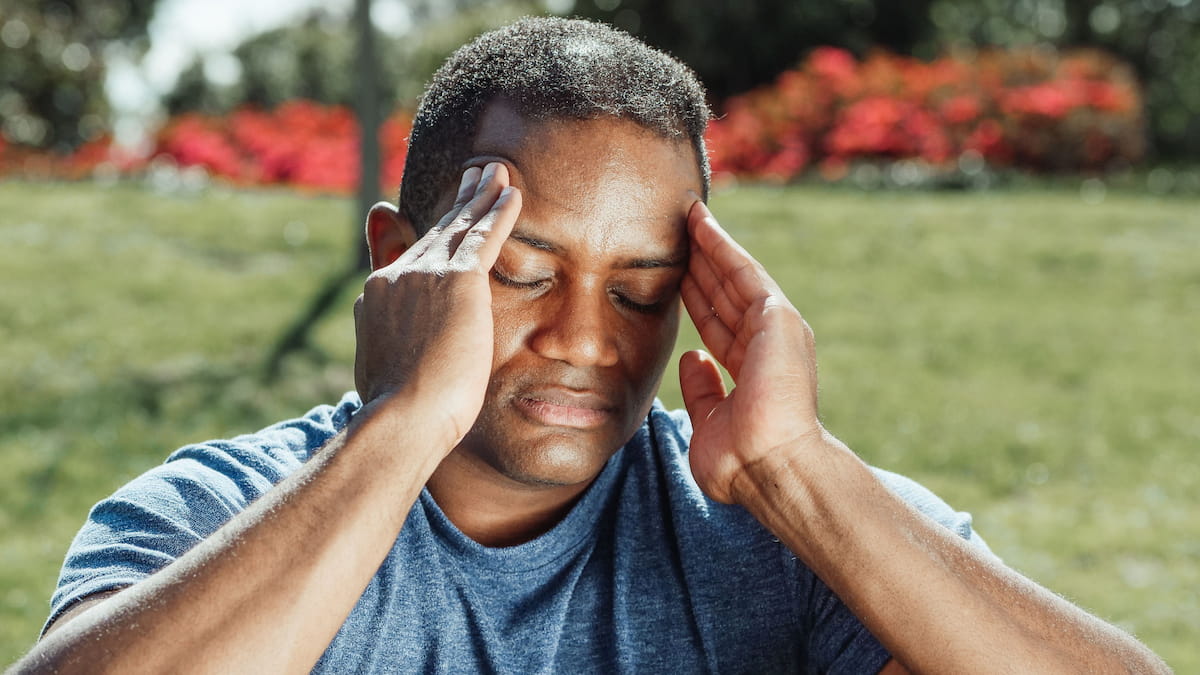
While some people only worry about being sweaty during summer, the concern can be greater for the over 40 million Americans who live with migraines. The oppressive heat that accompanies this season can trigger their condition and significantly disrupt their lives. If this happens to you, then you aren’t alone. Fortunately, there are proactive steps you can take to reclaim your summer.
Although heat is commonly considered to be a trigger for migraines, there still isn’t enough research that consistently links weather conditions to the condition. In a review of the literature on migraines and ambient temperature, researchers found the data conflicting. While some individuals reported experiencing a migraine when it was too hot, others didn’t. It was also harder to find an association between heat and migraines when the research scope was broadened to the entire population. Interestingly, there were more widespread reports of migraines being caused by cold weather.
Another review found more promising data, though. In it, researchers assessed publications from the U.S., China, Taiwan, Germany, Ghana, Japan, the Netherlands, South Korea, and Turkey. These papers suggested that high temperatures and weather changes could be associated with the instances and severity of migraine headaches.
It should be noted that both reviews suggested that more research is needed on whether heat causes migraines and why. Currently, the migraine experience can be an individual one. Something that affects you may not affect someone else. Even so, a review of the prevalence and burden of migraines on Americans showed that the condition had a notable impact on people’s health.
While the percentage of the population that has migraines hasn’t changed significantly over the past 30 years, the number of people who have been assigned a moderate-to-severe disability based on their migraines has grown. This issue has affected more women than men. Of course, this is another area that would need further exploration.
RELATED: 7 Reasons Your Pillow is Causing Your Morning Headaches
Although having a migraine because of the heat may vary from one individual to another, there’s little question about the link between dehydration and the condition. According to a 2020 study with 256 female participants, researchers found that those who drank more water had fewer migraines. There was also a link between how much water they drank and both the severity of their pain and the duration of their headache.
The key in this case is to ensure that you’re drinking enough water. You may have heard that eight glasses of water are enough, but your figure may differ for various reasons. Typically, men may need up to 16 cups per day, while women may need 12 cups per day. You should note that some of this water also comes from the food you eat. If you’re working in the heat, though, the Centers for Disease Control and Prevention (CDC) recommends drinking a cup of water every 15-20 minutes. Regardless of how much you need, it’s a good idea to keep a water bottle with you so it’s easy to stay hydrated.
If the heat bothers you, it makes sense to stay as cool as possible. This can mean staying in the shade and working in a space that’s being cooled by air conditioning or a fan. When going outside, avoid the times of day when the sun is at its peak. It also helps to wear a hat, sunglasses, and cool, breathable clothing.

If you feel a migraine coming on, an ice pack may help relieve symptoms before they get worse. This form of temperature therapy may help to reduce inflammation and pain when you’re having a headache. As stated previously, migraine management can vary from person to person, so it’s important to determine what works best for you. Placing the ice pack directly on the forehead does the trick for some people, while others get the best relief by placing it at the base of their necks. For some, the ice pack doesn’t work at all and may even make the issue worse.
RELATED: The Ultimate Migraine Treatment Pack You HAVE to Try
Sometimes it seems you can’t stop a migraine, no matter what you do. When this happens, it’s best to have an emergency kit to alleviate your symptoms. A few essential items to include in your kit are pain relievers, water, a cold pack or a warm compress, earplugs, sunglasses, anti-nausea medication, airsickness bags, and any natural herbs that usually help you. It may also help to have a migraine journal on hand so you can document what happened before and during the episode. The information can be useful if you’re trying to determine a new trigger.
If the migraine is severe, an emergency information card can be a lifesaver. It should tell someone what’s bothering you and how to proceed. This may mean giving you medication or contacting someone for you so they can get you home. Including your doctor’s contact information may also be helpful.
RELATED: Migraines Aren’t Just Headaches: They Need Expert Care
The treatment for migraines can vary, but they usually fall into the categories of acute and preventive. Acute treatments are meant to relieve symptoms while you’re having a migraine, while preventive measures are designed to reduce the frequency of migraines and the severity of your pain. Some acute medications include over-the-counter pain relievers such as ibuprofen, aspirin, and acetaminophen, as well as prescription-strength pain relievers like triptans, barbiturates, and anti-nausea medications.
If your symptoms worsen or are not being properly managed with acute treatment, it’s time to talk to your doctor about preventive care. They will assess your eligibility for that course of treatment, but the general criteria are having four or more headache days per month or having two headache days with significant disability.
With preventive care, you may be given medications such as antidepressants, blood pressure medications, antiseizure drugs, Botox injections, calcitonin gene-related peptide, and gepants. While these medications are generally prescribed for other conditions, they have been found to be effective for managing migraines.
For example, while you may already know that Botox injections have cosmetic applications, they’re also helpful in alleviating migraine symptoms. According to one review, persons with chronic migraines had fewer migraines per month, experienced less pain, used less medication to manage their symptoms, had fewer emergency visits, and experienced fewer migraine-related disabilities when they were given Botox injections.
Of course, any treatment your doctor suggests may have side effects, so they will need to discuss them with you to help you know what to expect.
Another option is neuromodulation therapy, where a specific device is placed on your head to stimulate a peripheral or cranial nerve. The procedure is non-invasive and is designed to change your brain’s response to pain.
It’s typical for doctors to tweak preventive treatments slowly to determine what works best for their patients. If a regimen is successful, you may continue the treatment for six to 12 months before your doctor starts weaning you off the dose. Preventive treatments aren’t meant to continue indefinitely. Unfortunately, your headaches may return after treatment ends, but that’s something to discuss with your doctor so you know what to expect.
Millions of Americans are living with migraines. While the link between heat and headaches isn’t definitive, it’s clear that heat affects many people. If you’re one of them, make sure you take care of yourself and do everything you can to manage your migraines well.

By subscribing, you consent to receive emails from BlackDoctor.com. You may unsubscribe at any time. Privacy Policy & Terms of Service.