
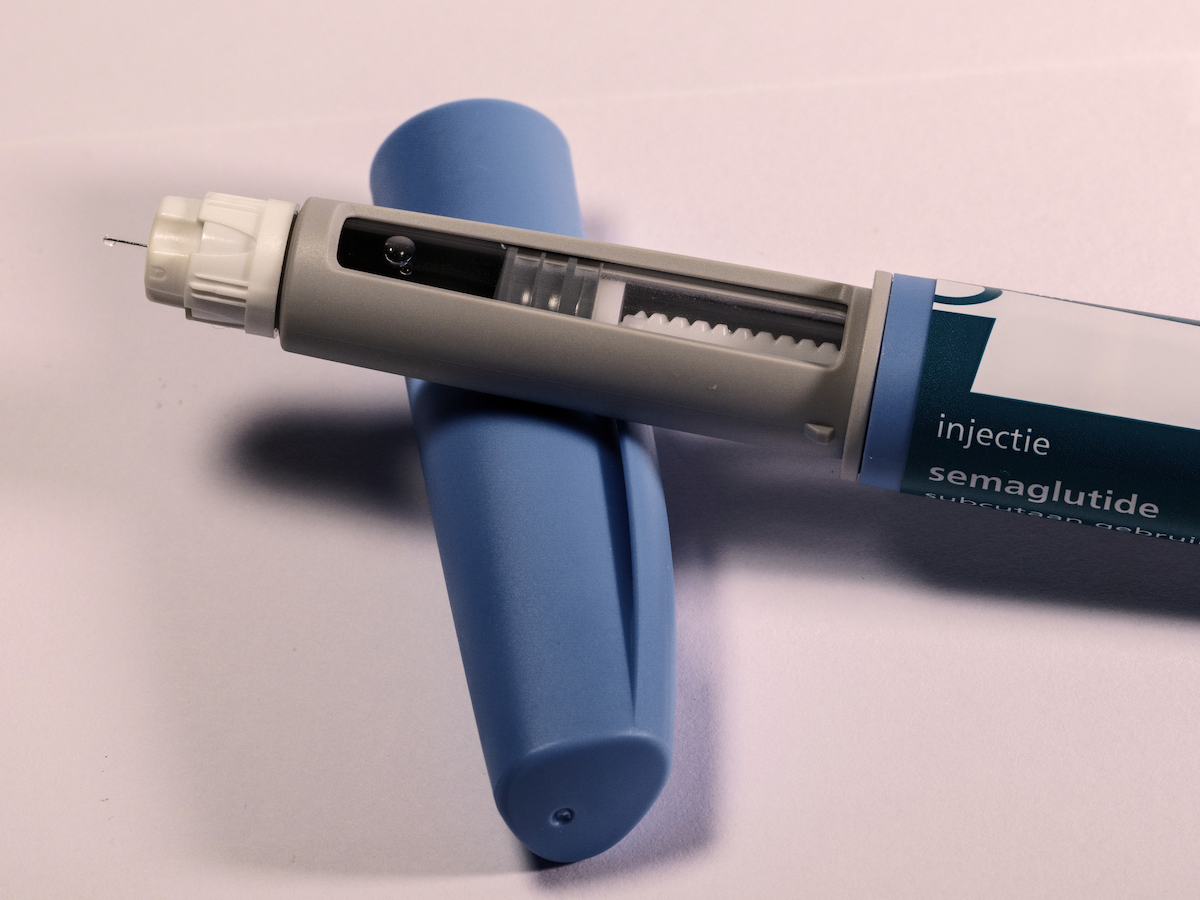
Since the first FDA-approved GLP-1 medication in 2005, which was created to treat type 2 diabetes, GLP-1s have taken over the drug market. According to a recent analysis by Forbes Health, about 12 percent of U.S. adults use GLP-1 medications specifically for weight loss. Brands like Ozempic, Wegovy, and Zepbound have skyrocketed in popularity, and prescriptions increased by nearly 587 percent from 2019 to 2024.
With this surge in GLP-1 use, researchers continue to explore new uses for these drugs beyond diabetes and weight management. Numerous clinical trials are currently recruiting participants to determine additional benefits, such as reductions in the rates of cardiovascular disease, osteoarthritis, and peripheral artery disease.
It is always recommended that Black patients participate in clinical trials, and GLP-1 trials in particular can be beneficial to this underrepresented community. In the U.S., Black patients have disproportionate rates of type 2 diabetes, as well as cardiovascular disease, yet are less likely to receive treatment with a GLP-1 medication.
Christina Wells, MD, MPH, MBA, DipABLM, an assistant professor of Clinical Family Medicine in the Department of Family and Community Medicine at the University of Illinois Chicago, emphasized the disparities Black patients face in GLP-1 access.
“Black patients may face barriers to access related to limited education about these medications and limited insurance coverage,” Dr. Wells said. “For Black patients at lower socioeconomic status, GLP-1 medications are typically not covered through public insurance programs like Medicaid.”
GLP-1s, or glucagon-like peptide-1 medications, work by mimicking the body’s hormones, specifically those that help regulate appetite, lower blood sugar, and slow digestion.
While they are known to treat type 2 diabetes and obesity, GLP-1s are not yet FDA-approved to address other conditions like addiction, substance use, or neurological disorders like Alzheimer’s disease. Clinical trials will test new GLP-1 drugs, new medication combinations, expanded uses of existing drugs, or different dosing approaches.
Clinical trials are the backbone of medical progress, and popular medications like Ozempic and Zepbound were once the focus of clinical trials before they reached the medicine cabinet.
Since the demand for effective obesity treatments has skyrocketed, researchers are investigating whether newer medications can lead to greater weight loss, fewer side effects, easier dosing schedules, or additional health benefits.
These new GLP-1 studies are also exploring how these medications can potentially affect other conditions such as heart disease, sleep apnea, fatty liver disease, and kidney disease.
RELATED: GLP-1 Medications: A Comprehensive Overview
As of 2024, Black Americans were 28 percent more likely than U.S. adults overall to struggle with obesity. This community experiences disproportionately high rates of obesity and obesity-related conditions, including type 2 diabetes, hypertension, and cardiovascular disease.
However, Black Americans are also most likely to be underrepresented in clinical research and have historically been left out of trials that could greatly impact the health of their communities.
In addition to a lack of representation in life-saving clinical trials, Black patients also face obstacles to accessing GLP-1 medications, including cost, insurance restrictions, provider bias, and medication shortages.
When diverse populations participate in clinical trials, researchers can better understand whether treatments work similarly across populations and support more equitable and preventative healthcare for all communities.
Eligibility for a GLP-1 clinical trial will vary by study. The most common requirements for GLP-1 clinical trials include patients suffering from obesity, overweight, type 2 diabetes, high blood pressure, heart disease, etc. Many studies require patients to be between the ages of 18 and 65 and to have a body mass index (BMI) of 30 or above.
If you have certain medical conditions, take certain medications, or are pregnant, your eligibility for these trials may be affected.
Before a GLP-1 clinical trial, patients undergo an initial screening and health assessment to ensure they meet the trial criteria. Patients will then review and sign the informed consent documents before officially participating. Throughout the trial, patients will attend regular study visits for weight checks, lab work, and monitoring. Some of these trials may involve self-administered injections or oral medications.
“Participants often have medical tests and exams during the clinical trial,” Dr. Wells said. “They may also have to keep a log and/or complete questionnaires about their health and associated lifestyle factors such as diet, exercise, sleep, mental health, etc. Participants will also report any adverse reactions they experience as a result of taking the drug.”
Before participating in a GLP-1 clinical trial, it’s important to understand the potential benefits and risks.
“Every trial has its own unique risks,” Dr. Wells explained. “Before participating in a clinical trial, the clinical trial team provides a list of any specific risks associated with participation. Participants are free to withdraw from a clinical trial at any time without any penalties.”
If you are interested in participating in a GLP-1 clinical trial, always ensure to first reach out to your healthcare provider to discuss any health risks. You can explore resources like ClinicalTrials.gov and BlackDoctor’s Clinical Trials Resource Center.
RELATED: 8 Supplements to Avoid When Taking GLP-1 Medications
It is estimated that up to 30 million Americans may use GLP-1 medications by 2030. If this is the case, it is hopeful that Black Americans can continue to participate in clinical trials and receive life-saving treatment. This way, there can be better representation in medical research, and greater access to medications, treatments, and support for conditions like type 2 diabetes and obesity.

By subscribing, you consent to receive emails from BlackDoctor.com. You may unsubscribe at any time. Privacy Policy & Terms of Service.