Play Video
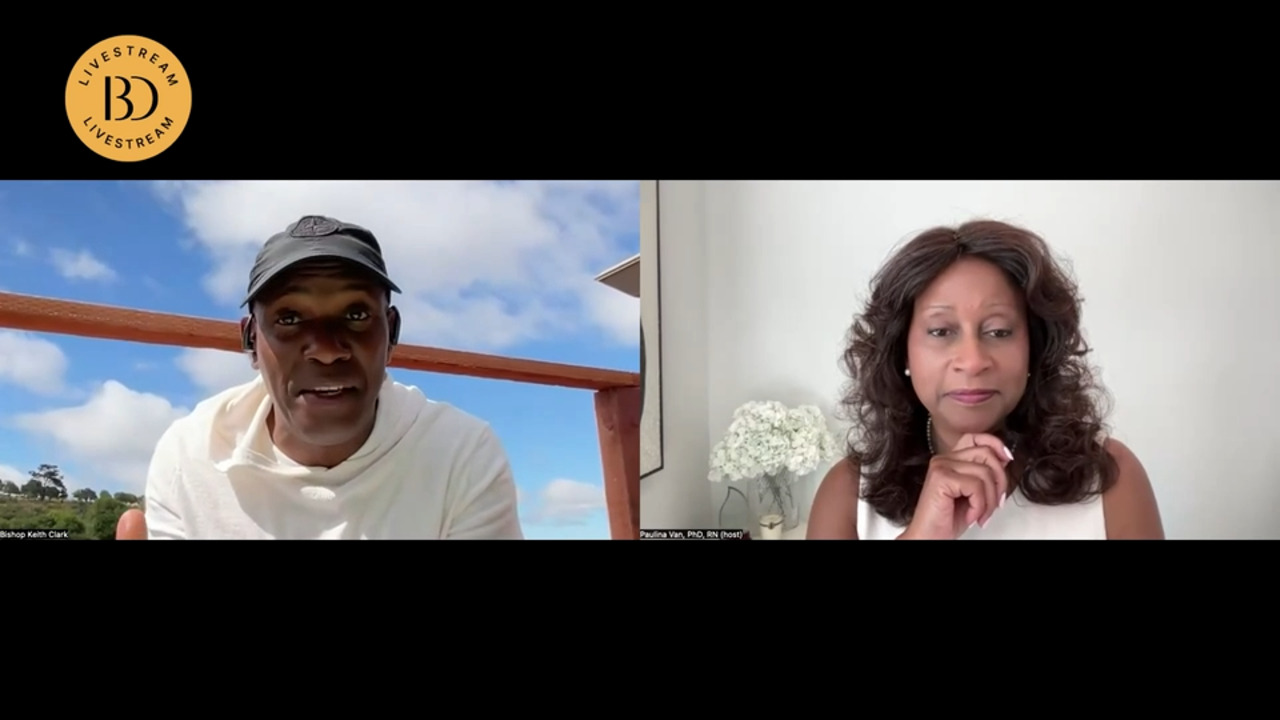
Poetry of Healing: A truth about marriage
What does marriage really require?

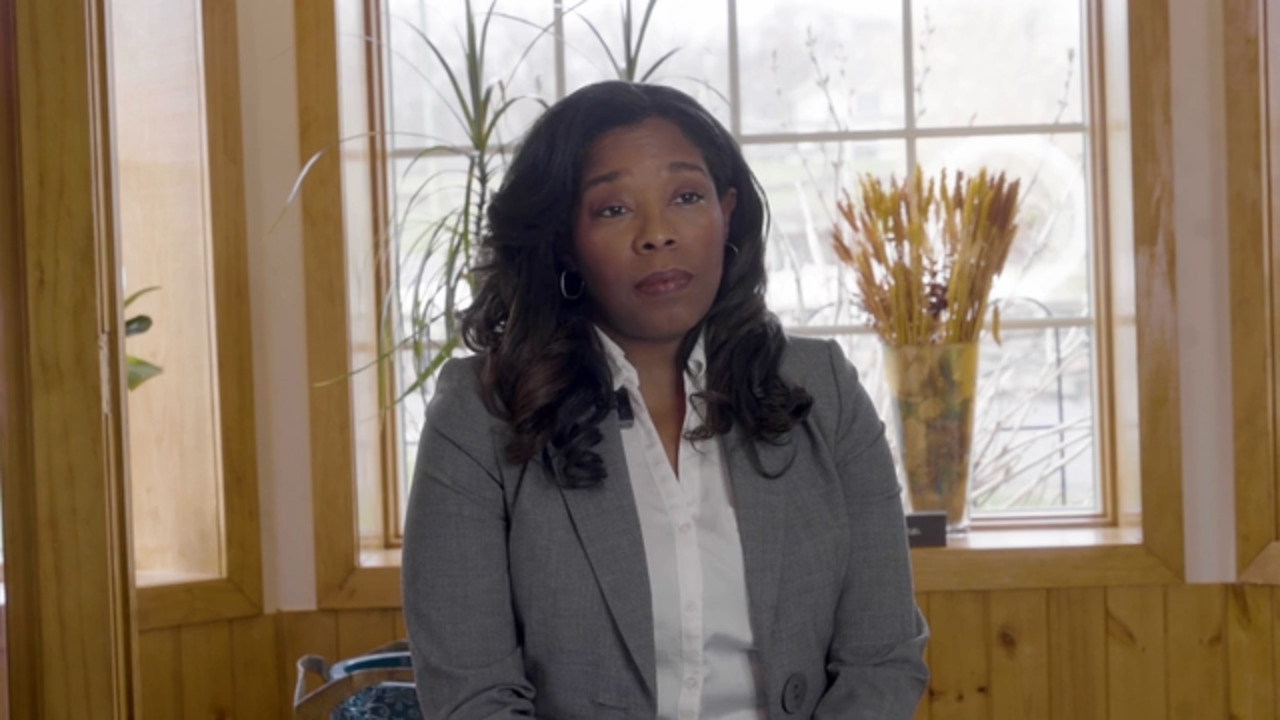
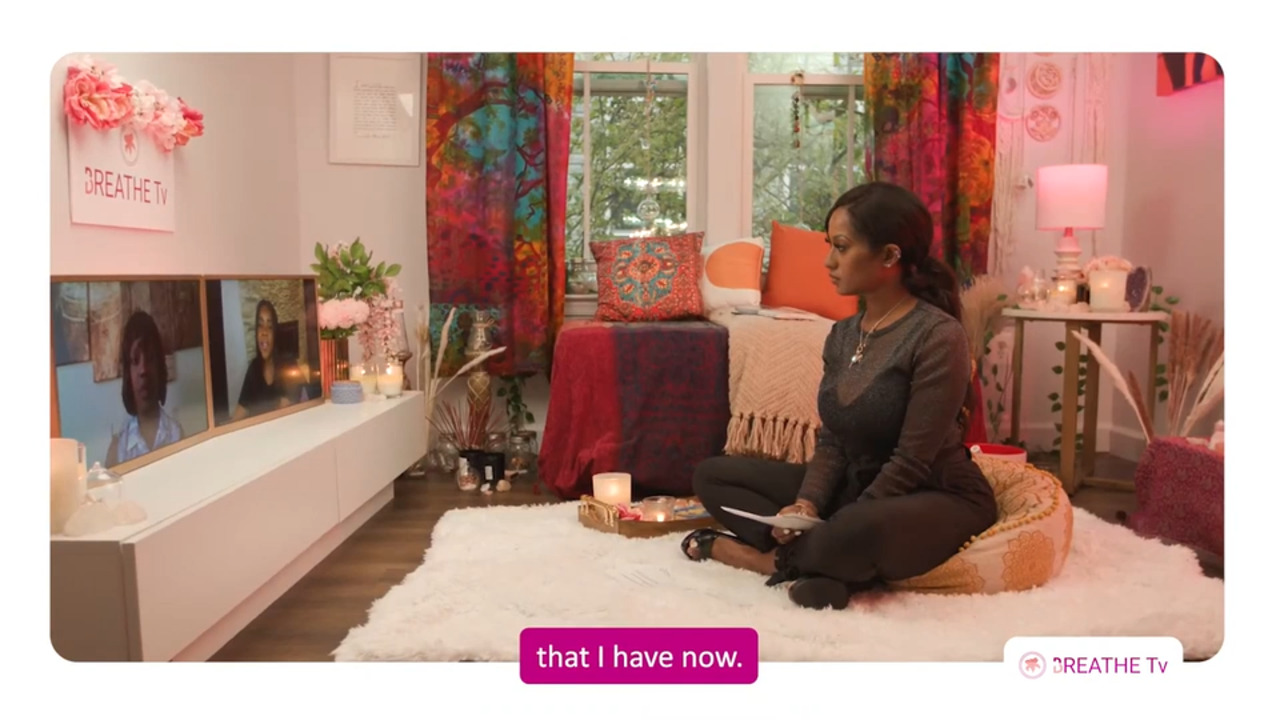
My name is Madeline Mitchell. I am a reporter here at USA Today. I cover women and caregiving. Thank you so much for coming to this panel. On this panel, we're gonna talk about the mismatch that we sometimes see between medical affairs and what patients really need. And so the people up here, these experts, they've agreed that we're at a turning point right now in medical affairs. And so I wanna first start off by sort of level setting here with Dr. Small. Can you please explain to us what medical affairs really is? It's a term that sometimes gets thrown around, so can we define it, and maybe talk about the evolution that it's been on in ex- in these last few years?
Sure. And just show of hands, how many people really know medical affairs? I say that because even when I get hired to lead medical affairs, sometimes my bosses don't even know what medical affairs is. So medical affairs is probably one of the n-newest functions in pharma and biopharma, and, it was really brought into being around nineteen-nineties when biopharma became really heavily scrutinized. And I like to say that we are the nucleus of biopharma because we are made up of physicians who have treated patients, researchers who have researched these medicines in academia or in community centers, or even PharmDs that actually understand how to treat patients with these medicines.
And what we do, we really bring that external voice in, so we kinda shatter the divide between biopharma and the real external world, and there's a few ways that we do that.
One of the ways is if you think about how we develop drugs, and you look back when we first started developing drugs, a lot of it was based on patient product Sorry, product-centered development. And the way we're trying to flip it is making sure it's actually patient-centered development. So we bring the external voices in from understanding. We speak to patients. We s- we form patients councils. We have patient advocacy coming in and helping us from the very beginning, how do we develop these medicines? The other thing is we work with clinicians with-- in during research to bring their voices in from the very beginning.
We speak to regla- regulatory agencies to bring their voices in. And what we're trying to do is not only that, but understand the true unmet need. Where is the care gap, and how do we make sure we're developing those medicines to address those specific care gaps, the true unmet need, not just a patient journey that you hear in terms of treatment? But what is the emotional journey? What is the family surrounding sound? What is that? And how do we develop the medicines that really address those needs and not just use our technology to get a launch approved? The other things we do is if you think about evidence generation, if from the very beginning, a lot of times we develop medicines that sometimes are more toxic than the disease itself.
And to me, how can you even call yourself a drug developer if you're bringing more challenges to a patient? So what we try to do is understand if there's a challenge with that drug, if it has safety signals from the very beginning, we start addressing it before it gets launched.
We try to do supplementary research before it gets launched. If we are developing a medicine quickly, for example, in a huge indication like breast cancer, what if this drug can actually work in a different type of tumor or in a different type of disease? So we do something what we-- that we call signal seeking. So we look at different signals and different indications. Can we develop this drug? And we do it really quickly, and we also do that with treaters. So we do this hand in glove with treaters. And then once we launch, it's not about just launching and going. How do we understand the real world and h- its impact on our medicines are impact on, on those patients?
And the last piece Well, the other two pieces that we do is all the publications that you see, that's our team writing those publications and making sure that we are delivering true health literacy into the community. And the last piece to me, which is probably the most important piece, is access. So we talked about, I heard you guys talk about inclusive research, and I would love for us to get into that because to me that is so important, but we're the ones who make sure that our medicines, our research studies are actually inclusive, that they truly represent the population that has this disease, and they're going into the community.
And the other thing that most people don't realize is compassionate use. And how many of you guys know about compassionate use programs? So basically, this gives patients access to medicines either outside of an indication or before the drug is approved if we believe it can have a life-changing effect.
That is what we do. So overall, we make sure that we are developing the drugs in a way that I like to call patient-driven science, where the patients are driving our science, and our science and drugs are reaching the patients. Does that answer the question? Yeah. Thank you so much. Yes. That's a great way to kick off our panel, gives us a really great way to jump off into some other topics, including trust, which you just brought up so eloquently, and, you know, I think this was brought up in the other two panels as well. It's, it's really important to talk about. I wanna go over to you, Dr.
Lizama, talking about trust and how this industry is really leaning into trusted voices. What does that mean, and what does that look like in practice? Thank you. Great question, and, thank you everybody for being here, allowing me to speak. So I'm Tony Lizama. I'm a medical director for Novartis Pharmaceuticals, in the cardiovascular division. And so when it comes to embracing that trust piece-In order to garner trust, people have to be able to relate to you. They have to be able to associate with you. And so one of the easiest ways to do that is not to just show up in a suit and start talking about molecules, but actually understanding where these people are living, where they're staying, where they're playing, where they're praying.
And so partnering with people within that community in those areas, in those arenas, to reach people and understand what do they actually need? What are they struggling with?
What do they want? And what do they already know? And sometimes it's as simple as partnering with a pastor or partnering with a hairdresser, but we like to do some innovative things here and there as well. And so, we've started to embrace trusted voices outside of the traditional pastor or hairdresser, but going into professional sports leagues. And so, we were just talking about this on the sideline. someone is more likely to trust Jalen Brunson than they are their primary care physician. Shout out to the Knicks. But with that being said, there's a real opportunity there to embrace that and maybe leveraging partnerships and collaborations with professional basketball, with professional football, because their players and their families suffer from many of these issues as well.
Every October, we know that the Giants, the Jets, and everyone else wearing pink, so you can have a three hundred-pound lineman that is very scary-looking wearing pink cleats. Why is he doing that? Because oftentimes his mom had breast cancer or his sister, and so this is an easy way to raise awareness, but it's coming from someone that is not part of the machine, so to speak. It's someone that they know that the community knows and that they can trust and relate to. So I think embracing those types of things just to get the awareness out about health and to have those conversations about health are very important, especially within our community, the African American community.
We don't really talk about health a lot.
I mentioned-- or it was stated earlier that Thanksgiving, we do the TikTok dances, but we never talk about why grandma died. We never talk about why Uncle Joe lost his leg. But we will talk about the TikTok dances. We will talk about, you know, Housewives of Potomac, at least, at least in my house. but, you know, just it's important to actually speak on some of those other things as well and leveraging those trusted voices within the community. So Reverend Smith, point guard, power forward, linebacker, quarterback, hairdresser, community health workers, tapping in and activating them.
I think that's really important for us to get the conversations going and to lay claim to our own health and be a master of our own health instead of just waiting for something bad to happen. Thank you. I'm seeing a lot of head nodding here. I think we've got a lot of people with you on that. Thank you. you know, and kinda continuing on this line, talking about trust, and I talk about that all the time in my work as a reporter as well, and Dr. Dorfman, I'm sure you do as well as a media executive. And so I'm wondering if you can tell us how CMI is evolving its medical affairs division, and what's next?
Hi, everybody. For those of you looking at the printout, I am not Eugene Lee. Eugene Lee actually is in Austin trying desperately to get out. So I am the stand-in. I hope I could do him justice. so I am Susan Dorfman. I am the CEO of CMI Media Group. I'm also a doctor of health administration. And before I share what's next, I'd actually like to start a little bit from the beginning.
when I started working at CMI Media Group, our decision at that time with now our current chairman, because healthcare media fifteen, sixteen years ago was not sexy, it was very mission-driven, and our decision was that our purpose was to create hope. The first step in health is hope. Knowledge brings hope, and we bring knowledge. And the way that we chose to do that fifteen years ago, when big data was not a thing, was to actually do it with a precisely human approach, and not just precisely human by taking the voices of the advocates and the voices of the loud, by actually seeking the voices of the silent, because that's the majority.
I'm gonna get very emotional as I talk about this. And as we started to look at these, you know, at individuals across many different cultures, language barriers, so many different perspectives, and really started to want to do good, what we realized from the pharmaceutical industry who were partnering in this with us was we were always a nice to have when it came to people-based messaging and decision-making. We were always the first budget to get cut, and I will have to say that my first partners on the medical affairs side came from the company you did, and we wanted to change that.
along with a few other pharmaceutical manufacturers who wanted to really drive change at a GL level, at a person level, to listen to the voices of the silent and really do right, years ago, right around COVID, we decided we were going to launch together an-- a, inclusive media center, which meant every voice had a voice and had the right, I don't wanna say healthcare because we don't do health, we do sick care, had a right to hope and information and sick care.
and we didn't launch it to be a revenue driver. We knew that that's not what it was going to be. We launched it to make sure that there are advocates, along with some of our pharmaceutical manufacturers to do the right thing. Um-What we also quickly realized through some of the data that we were gathering and bringing in was that after a twenty-minute doctor's visit or consult when you get that diagnosis and you're left in the room, hopefully with a caregiver, sometimes by yourself, you have no idea what you just heard. I just myself personally got diagnosed with something.
The minute the doctor stopped-- started talking, I was in my own head. I was drifting. And you walk out of there, and you tend to wonder, what are we actually using ChatGPT for? What are we asking? What are we using search for? What is it that we're really trying to understand? And when you can do that, you'll actually see we're not looking for commercial brand messages and the sexy creative that's out there and, you know, a hundred reasons why you could die from taking a drug. We're looking for hope. and that hope, that scientific, that medical message, that clinical message, that understanding actually does not come from commercial.
It comes from medical affairs. I'm glad you said that. So for us- For us, what's next Sorry, I lost, For us, what's next is we've decided this year that we are going to launch a center, specifically a division focused solely on medical affairs because the way that you work on the commercial side with medical is very different.
You have different measurement. You have different messaging. You have-- You know, you, you are the center. You are the center of what is needed out there, so that's our commitment is to invest in that and bring that to the public. Thank you for talking about hope, and I know that Dr. Small is itching to talk about hope and solutions in this space. You have a solution of your own, Doctors Unscripted. Can you talk about Doctors Unscripted and how those candid conversations are really pushing the needle forward here? Sure. I can just stress one thing about-- 'cause I, I just kinda wanna tie back the trust issue, the inclusive research, because I believe trust is the beginning and especially, I'm going off script, especially during this time where inclusive research is fragile, and we gotta know that.
Because when you look at the data, if you are bringing these trials to, to communities, particular communities of color, if they receive it, guess what happens to enrollment? It goes up dramatically. So it's not just a trust issue because people tend to say the reason why people don't get en- people of color don't get enrolled in clinical trials is because they don't trust physicians. It is way before that. There is a infrastructure built that does not give access to communities of color to allow them to enroll in these trials. So I think that trust is really important, but we also have to raise our voices to say, "Where is the infrastructure?
Where's the access? Where are the funds to allow us to do these trials in our community?" That's just a side note.
Now, doctor - I'm, I'm, I'm sorry. I'm compelled. Can I say something really quick? You bring up a fantastic point of one piece that's missing, and it's kind of come up, but it's really unfortunate. One of the reasons why we don't see people that look like us in these clinical trials is not just a lack of trust. Yeah. We're not asked. That's exactly it. Nobody asks us. Yes. And there's such I don't know what word I want to use, but there, there's, there's a disconnect to where many physicians will look at someone that once you remove their skin complexion, on paper, they-- this is a clinical trial candidate.
Mm-hmm. But the second that they remove the, the blinders and they see someone that looks like me or someone who looks like you, for whatever reason, in their mind, that's not a candidate to them. So it's really important that as we talk about these inclusive trials, we build in the infrastructure to not just support the people from the community but the providers in that community as well. Empower them. Help them to identify the right patients but then get them involved within the research because you are spot on. If we are able to engage and it's accepted and adopted, it's not that the enrollment goes up.
The enrollment goes in a way where you are faced with a great problem. You enrolled quickly. You enrolled, and now you're ahead of your timelines. So instead of we'll have enrollment completed by Q one of twenty-twenty eight, when is enrollment completed? Now. Yeah. Like, right now.
Yeah. And so that can have dramatic business impact certainly, but certainly from a community impact as well because now you're getting the drug out there potentially sooner, and you're getting more information out there to do another key aspect of medical affairs, and that's to help everyone, patient and provider, identify who is the right patient here. Who should actually get treated? Because treatments are not for everybody. And so one of the ways to dispel the myths about trust is not just saying, "Here, take this." Let's really break it down and understand, is this right for you?
Yep. Yep. That's all. Thank you. No, thank you, and that's why I think it's important for us to have those honest conversations because it's-- if we want to talk about inclusive research, we have to look at it systematically. We have to look at the criteria, exclusion, inclusion criteria. A lot of the times, we are excluded. I mean, baseline again. Hematologist, just to let you guys know, I'm a pediatric hematologist oncologist, right? And so when you look at numbers, our numbers, particularly in the Black community, our, for example, our white blood cells are a lot lower.
Polymorphisms, like, we know this, but that sometimes kicks us out of a clinical trial. If you look at testosterone levels for prostate cancers, our prostate levels, I mean, our testosterone levels are higher. We may get kicked out of the trial. So even baseline-Needs to be changed. And then to your point, we need to make sure physicians are educated to to include these patients instead of seeing them on a paper and say they're not included, right?
So we need them to advocate, and then we need to also bring the research to the communities So I'll go back to your question. so, to your point, I started a podcast called Doctors Unscripted mainly because I mean, there's a few reasons, but if you look at information today, it is information overload, right? What do you trust? Who do you trust? How do you just get through the data? And even as a physician and then as a patient, how do you understand what is true and what is not true? And so my goal with Doctors Unscripted is really to democratize evidence-based science so that it's not just for the elite physicians that are doing the research, writing, writing these textbooks, but that everyone in the community has access to the same level of information.
And that is what that is born of. And then the second piece is making sure that physicians' voices are truly heard despite all that noise, especially in an era where trust of science is being questioned, where true science is being questioned. How do we elevate the voices of these physicians so they can reach the communities directly and we remove again that glass and that separation? and I can tell you, like, even the voices I brought in, and of course, this is colorectal cancer month, so I'm gonna mention this, but we've brought in A-and as you know, I mean, people of color, look at the numbers in terms of colorectal cancer, twice as likely to be diagnosed, twice as likely to die.
We need to make sure that information is out.
So I brought in a guest that has the largest amount of tissue samples, including samples of people of color, and he's done so much research. He's changed guidelines. He's written books. He has the largest amount of research out there. He came in, and he told us one fact. Colorectal cancer is the most preventable cancer in the world. He talked about when you look in communities of color, the research that he's seen, what is the nuance, what is the difference, and how do we prevent it? I've had, again, multiple myeloma month, African Americans, twice as likely to be diagnosed with multiple myeloma, and even worse, twice as likely to die from multiple myeloma.
But what's interesting is when you give equivalent access to African Americans and our white counterparts, guess what happens? We survive even longer. So there is a real problem there in terms of understanding the genetics, understanding and, and making sure our patients get access. I had two doctors, a community doctor, a person of color, as well as a, academic doctor, and what they showed was we are now looking and understanding there is a difference in some of our genetics that show why I mean, what's the optimal treatment, and sometimes the treatments that we're receiving are not optimal for everyone.
So they talk about that, and then some of these data that we're putting out on this have not even gone public. And so even, like, how do we diagnose Alzheimer's? Again, many of us have family members that have Alzheimer's.
They talk about the signs and symptoms before they even happen, and how do you prevent? So my goal with that was to make sure we remove the barrier, we remove the elitism from science, and we bring real science to real people. And I can give you an example because I don't know how many of you have kids, but my kids, kids of a physician, kids of a research scientist, will tell me their diagnosis based on what they heard from TikTok. So my daughter, I kid you not, I get calls sometimes. She's like, "You know what? I know what I have." And I go, "Okay." She's like, "So I was listening.
I was I was like she I was like, you know, "Who did you speak to?" She said, "Well, I was on TikTok, and I heard this person who had exactly And they told me this is what it is, and I know it's what it is, and so I think I need to be treated this way." And not even saying, "Mom, let's talk about it," or even my son, athlete, injured himself. St- you guys know Steph Curry. I found Steph Curry's doctor. Steph Curry's doctor. My son is seeing him, and he calls me. And he's like, "I think I have something else." And, and, and, and I was like, "You've been diagnosed." He's like, "No.
Well, I think I have such and such." I go, "Well, why?" He goes, "Well, when I was on ChatGPT, I read it." So my like the, the misinformation, I applaud them for trying to understand their stuff, but through TikTok, through influencers, through ChatGPT and not understanding the nuance of diagnosis, the nuance of diseases, and, and that is what we're having exponentially.
So how do we cut through the noise? How do we break through that and have these physicians, these scientists bring real science, bring back trust in terms of science to our communities? And so my next goal after this, I wanna do community screenings, bringing these physicians into the community. Let's have this dialogue. There should be no separation. So that is why I started Doctors Unscripted. I'm excited about it. I hopefully you guys listen to it and give me your feedback, but that is the goal. Let's democratize real science, real evidence for real people. So how many of you out here are parents that can relate to the TikTok and the Instagram?
Yeah. And how many people here are caregivers in general? Maybe not parents, but are caring for a parent. Yeah. So I have a question based on what you were just talking about with TikTok. How do we cut through that noise? As a caregiver, as a parent and a caregiver, what advice do you have? And if, if you all have other answers as well, please chime in. How, how do we do that? How do we talk to our loved ones, especially our kids, and try to calm them down when they're diagnosing themselves? Yeah.No, I-- that's a really good question, and I talked a little bit, I'm a hematologist oncologist, but I'm a pediatric hematologist oncologist, and I'm also a parent.
And so the compassion that I have for caregivers, because even as, as a pedi-- a pediatric oncologist, you're not just treating that one patient in front of you. You are treat First of all, you're not just treating the disease, you're treating the person, and you're working with the family.
It is a family caregiver approach. It's a community approach. And of course, when your loved one is diagnosed with something or has a symptom, it is scary. Sometimes, dare I say, sometimes as scary as a person who's been diagnosed. And how do we get through all that noise? And that is again why I started that, because we have to make sure that we encourage them to But we also have to make sure we arm them with true evidence-based information so that they know the right questions to ask. They have the information in their hand. They can form this partnership with their physicians and together go through the treatment.
And a lot of things on Doctors Unscripted really focuses on that. So I talked about the oncology piece, but there's-- we talk about, for example, Alzheimer's. And the scariest thing is having a loved one, you see their memory slipping, or sometimes you don't even know, but why are they acting a certain way? And so we talk about, like, little symptoms to recognize early and what, as a caregiver, you should be doing. How do we, how do we even start preventing the quick, worsening of the disease? We talk about that. We talk about the questions you need to ask, the things you need to look for.
And same thing with schizophrenia. We talk about, like, what are the initial symptoms that before they start hallucinating, what are the things you can pick up early as a caregiver? And this is a true story. A colleague of mine listened to one of the episodes, and she called me right away because she was telling me about her mom.
And she said, "You know, my mom has been off a little bit, but I just didn't know what it was." She was telling me she spoke to my friend, and she did it, and it was these nuanced delusions that she did not know what it was, but she started noticing it. But we talked about you could do blood tests to diagnose Alzheimer's now. And she didn't know that those symptoms of slight psychosis was associated with Alzheimer's, and sometimes that may be your first symptom. So we went through what to do, and she automatically knew what to do. She ordered the blood test. She reached out to the physician, and her mom was diagnosed with Alzheimer's, but she was able to intervene earlier.
So to me, it's making sure whatever we can do to get that information out to caregivers, not just the patients. See it as a community, making sure that we're talking about how can you recognize these symptoms? How do you not get penalized? How do you, how do you work together with the physician and your loved ones to know the right information, to treat them in the correct way, and make sure it's-- we take a holistic approach? So that's my goal with Doctors Unscripted and the caregiver aspect. Thank you. Any other thoughts on caregiver advice? I can certainly add, from our perspective as a media agency responsible for creating awareness, I think one good thing that we do know is where these conversations are happening.
And what we can do, whether th-- it's through the new term Geo, how many people know what that is?
It's the, Gen AI version of search, and ways to be found. How can we start to be from a content and context perspective? How can we be in those places where these conversations are happening? And how can we make sure that the right information is then heard and seen by the people that need it? The good news is, is they're happening. People are going, and they're seeking information. The bad news is you can't really control the information that they're getting. My son is a doctor, and he still uses some of those sources. Don't be too school for cool. And what I mean by that is when you're a care provider or you're a caregiver and you're speaking to patients, most patients don't have that high level of health literacy.
So giving them the Harvard lecture is not really gonna resonate with them. You really have to put it in plain language for them. And even from the materials that, we or other organizations put out, it's very critical to put it in a language that people understand. So if you have information that you're giving out about cancer one, two, three, whatever it may be, make a Spanish version. Or if you are dealing with a community that has a lot of South Asians, put it in Hindi. You know, put it in language that folks understand, not just in their native tongue, but just plain language and something that is easy for them to digest.
Make it one page, put some color into it, and make it really easy for them to process because they're going through a lot right now. Their emotions are all over the place.
So if you give them a textbook and say, "Okay, let's talk about the biochemical pathways of the cancer that you have." I think the mechanism for PD ones is really cool, but I'm weird, and I'm not going through anything right now like that. The patients may not have that same lust for science that many of us do. So we need to put it in a language and in a format that they just plainly understand. Meet them where they are. And can I say that is the easiest thing for-- especially with AI. I mean, we could translate anything like this, right? And, and to your point, we even have now what we're calling these layman or patient-centered publications that we are putting out.
It is not that hard. It just takes this much effort to really, to your, to your point, meeting them where they are, thinking about them, how they need to receive information to do-- to, to help their loved ones. I completely agree.And Dr. Lizama, or did you wanna add something? I wanted to just add one thing. Yeah. And I think you reminded me, I don't know why I keep thinking you reminded me, maybe because you're from Novartis. the words that we choose to use are incredibly important. When we launched Entresto at Novartis, I mean, it is a really scary thing to call something heart failure.
Mm-hmm. I mean, heart failure. How do you start that dialogue? So we started to think about what are the other terms for the caregivers and the patients that could be used that would be less scary, that would be more approachable.
The same thing with obesity. It is such a negative term, such a negative connotation. So as we think about it, especially for medical affairs, when we talk to people, how do we use terms that allow them to do this as opposed to fist up? Yeah. I agree. Dr. Lizama, I know that your expertise is in cardiovascular care. Can you talk about the gaps in cardiovascular care and how medical affairs can address those gaps? How, how much time do we have? So cardiovascular disease is still the number one killer in the United States and worldwide. And I see a lot of beautiful African American women here.
In this audience, I think it's really pertinent to understand the fact that sixty percent of Black women over the age of twenty-five have some form of cardiovascular disease. So I just told you three out of five over the age of twenty-five has it, and it's the number one killer. So this is no bueno, right? The problem that we have with cardiovascular disease is that it's not really talked about, and people are walking around not having the knowledge that they should, and I was guilty of that as well. And so when we think about cardiovascular disease, we think about the normal risk factors.
You mentioned obesity, but we think about high cholesterol. Everyone knows about high cholesterol, high blood pressure, but there are other things, your triglycerides, LP little A. Elevated LP little A puts you at risk for cardiovascular disease. And so many people don't know what their numbers are, and I was that person.
So I was working out, eating healthy, doing all the things, chasing after kids, coaching football, coaching basketball, talking about this stuff, and I didn't know my own numbers. And so the information, that is knowledge gap number one. It's really, really hard to address a problem if you don't even know that you have that problem. And so everyone's dressed really, really nice. I can see people with certain pocketbooks and whatnot. And so the ladies out here that are pocketbook collectors, if I asked you how many different types of Louis Vuitton bags that you had, you could probably name them.
Do you know your- Do you know your blood pressure? Do you know your cholesterol? If I go to the barbershop right now, and I've done this, "When do the new Jordans come out, and which ones are coming out?" "Oh, these are coming out on Saturday." "Great. What is your LP little A level?" "What's LP little A?" y- y- y- right? So we have to get that information out there, and that's a core tenet for medical affairs. Informing patients, informing providers that cardiovascular disease is addressable, but let's know the numbers so that we know that we can attack it and address it because all of these things can be managed.
They can be managed diet, exercise, medication if you so choose to, to take it, knowing about your own family history. Family history was mentioned before. And so if we can get that information out there, and people can-- and I'm gonna give a plug for the panel coming up, claim your numbers, claim your health.
It's critical that we can nip this in the bud in a big way. And so medical affairs has a huge role to play in that. And so that's part of my day-to-day, constantly trying to get the information out, raise the awareness to get that information out. Hence, the partnerships with people that are really, really tall or really, really big, or people that speak from a pulpit, or people that do hair because the way to address that problem, which is again, the number one killer is not just by myself or just with you or you, it's with everybody working together and tapping into each other, having those partners to address this particular problem.
Because most of the time it's not your fault. You didn't know. You didn't know. So now you can go and claim it, know about it, and address it. I wanna bring it back again to patient-centered care and moving towards patient-centered models of development in biopharma and medical affairs. If we could just go down the line, and maybe you could all give us an example of what that looks like in day-to-day work, so that we can all go home really having a good handle of what the future looks like in patient-centered care. I guess I'll go first. Yeah. Sure. So to your point, it's again going back to patient, for me, patient-centered drug development, what I do.
And I-- one of the things I forgot to mention too is medical affairs, we don't promote, right? You will never see us promoting. That is not what we do. Our, our job is to really do patient-centered drug development to deliver patient-centered care.
So if I can just-- I'll give two examples. One, we talk about clinical research and, and clinical trial inclusivity, and then the other piece I do wanna talk about is compassionate use because I, I think there's a piece there that we need to grab onto. So little bit about why I came into pharma, and if you've heard this story, if you ever heard me talk, I tell it because it just sat It's, it's the visceral pieces that made me cry to leave and, and do what I do. I had a patient, I'll call her Baby S, and she came to my-- I used to work at NewYork-Presbyterian Columbia University, and she cameI became her physician and she had these blueberry spots and we ended up diagnosing her with AML.
And this baby was thriving. And let me tell you, we talk about caregivers. Her mom was on drugs before she came, before she had this baby, and the baby was a newborn coming to us. We watched this mom clean herself up. We watched this baby go from in our hand to pulling herself up on a crib and smiling and laughing and giggling and just thriving. She was up to her last treatment of, of chemotherapy, and I remember I was gone for the weekend. I came back and my little munchkin was in the pediatric ICU with her last treatment. Now let me tell you, her disease was gone, right?
It was the last thing to consolidate before she went home. The mom is telling me they already found a place, homeless and on drugs, no longer on drugs, found a place to take her munchkin home. And I couldn't save her. I lost the baby that was supposed to live because of lack of tools in my pocket.
I had no more tools to help her, and the drugs that we were giving her were too toxic, that her poor system got ridden with a fungal infection that she could not fight and she died. And the mom who came in with a baby in her hand left empty-handed. And it was at that point, I remember, I like, you're going through it with the mom and you're talking to her and, and you're telling her like there's nothing you can give her that's comforting. She has no baby anymore. And I remember going to the bathroom crying and I said, "We have to create better tools for physicians so that they can ha-- deliver better care." And that's why you keep hearing me say if my drug is too toxic, then the disease itself, it's a problem.
So as we're thinking about patient-driven science or patient dr- centered drug development, it is about making sure that we're bringing all the voices together. We understand the disease, but more importantly, we're focused on the patient and delivering the best medicines for these patients. We cannot Like if we think through, what we look at as AE or adverse event, diarrhea is not just something on a page. Nausea and vomit is not just a number on a page. Protracted nausea, protracted diarrhea means you cannot leave your house and you cannot live a normal life. That is not the type of work we should be doing.
So for me, it's really when I talk about patient-centered drug development, I mean my drugs, our drugs, our medicines better make you better than the disease itself.
So that's one thing. The second thing is compassionate use and expanded access program. This piece is also really important because a lot of inno-- I mean, my opinion, what good is innovation if it's not reaching the people who have the disease? And so this gives you the opportunity, and so many people don't even realize that this is out there. If you, your patients, your family members, you have a disease and a drug or a condition and there's no current treatment, but yet there's innovation there, reach out to your, to your biopharma. Reach out to your physician. You may be able to get free, and when I say it's free access to innovative medicines, and that is what we do in medical affairs.
We, and a lot of people, unfortunately, particularly people of color, don't even realize that this option is there. So those are the two things I would, if I could leave you guys with, making sure that our medicines are truly treating the problem and it's treating the person, not just the disease. And the second thing is understand there is access innovation there for you. You just got to grab it. I guess I'll, That's If I can even speak, that made me cry. how many people teared up from that story? That's, that's a hard one. in approaching it maybe from a communications perspective, how many of you have heard the term used patient journey?
How many of you use the word patient journey? Let me just say journeys are fun. When you get sick, it is not a journey. It is far from a journey. It is a nightmare.
It is like being lost and being directionally challenged and not knowing how to find your way out. If we start to really understand the person and their surround, because it's not always just the patient, it is the caregiver, the care partner, the caretaker, and there's so many other, so many others around them, especially for certain cultures. I wasn't born in this country. I come from a, a family where my parents are the only ones who lived past the age of fifty-five. so yay. my mother is still alive. She's seventy-nine, so I'm really proud of that. But we are culturally the sickest people.
We have no idea what our LDL is. I just learned that I have bones of an eighty-four-year-old woman, which is absolutely horrific. I know what the right thing to do is, but oftentimes you just don't. Life, life gets ahead of you. So as we, from medical affairs, as any one of you, as health communicators, think about the people that you want to do right for, the patients to give hope, I think we need to just start with them and kind of instead of calling it a patient journey, which we're all guilty of, let's say, and NomiAnticipate my needs and be where I am, because those are the only three ways that we can get information to the right people with what is most meaningful for them.
I completely agree. I don't know how to follow that. so in medical affairs we talk about information and communication and data. Lots and lots and lots of data. You go to a, a conference and you see data on slides.
PowerPoints galore. What we forget and what we have to remember is that every data point that you see on that slide is a person, and that person has a grandma or an auntie or a nephew or a niece, a husband or a wife. They all are actual people. And so you have to remember that at your core and be able to take that information and data and reach out to the people that need to hear it and need to understand it and make them feel not scared about the journey or the nightmare, but empowered. Find out the information that you need. A lot of people think that I'm too busy. I'm taking care of my family.
I don't have the time to think about me. that's too selfish. I have to take care of everybody else. The best thing that you can do for your family that you're taking care of is actually making sure that you're taking care of your own health. Because if you don't know whatever your status is, your PSA levels, your LDL-C, your blood pressure, your blood sugar, whatever the biomarker may be, if you don't know that and you're running this race, running a risk of hitting a pothole and jumping out of the race, what does that do to your family? How many families have we known to where dad was fine or mom was fine, instantly they died of a heart attack and now the family's in disarray?
Most of the time the warning signs were there, but they just did not know about it. So when you bring it all the way back to that first trial, that first in human study or that phase two study to figure out what the dose is or the phase three to get it registered, each one of those bullet points is a person.
Understand that. Meet them where they are. Make them comforted, feel good. Give them the information and the power that they need so that they can not only provide for themselves, but provide for their families, because the it's always going to be, especially in our community, you know, healthcare is too expensive. You know, I like, I don't make enough money. If you don't make enough money, then you definitely can't afford a heart attack. Yeah. Yes. So you have to help them understand that, get the information out there, empower them, help them claim back their health. Thank you for leaving us with that, Dr.
Lazama. Can we get a round of applause for our panelists up here? Thank you all so much. I hope that you can take these talking points into your lunch, into the rest of your day, and thank you so much for being here.
By subscribing, you consent to receive emails from BlackDoctor.com. You may unsubscribe at any time. Privacy Policy & Terms of Service.