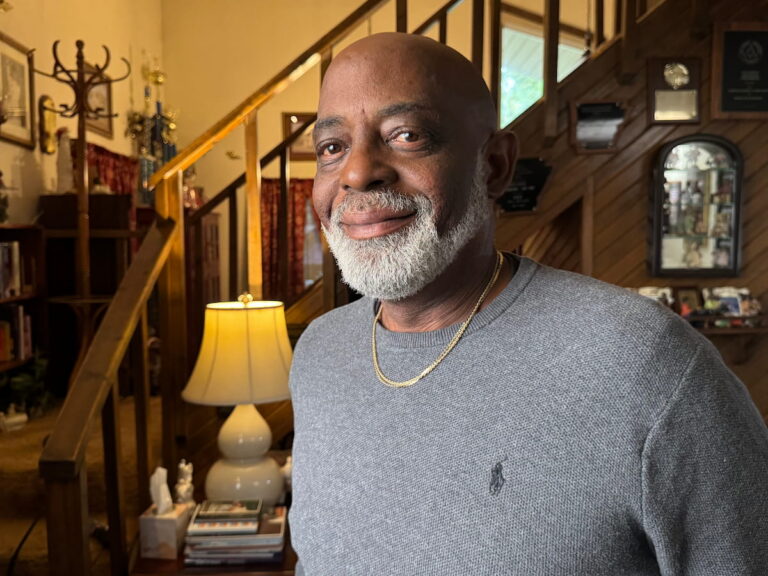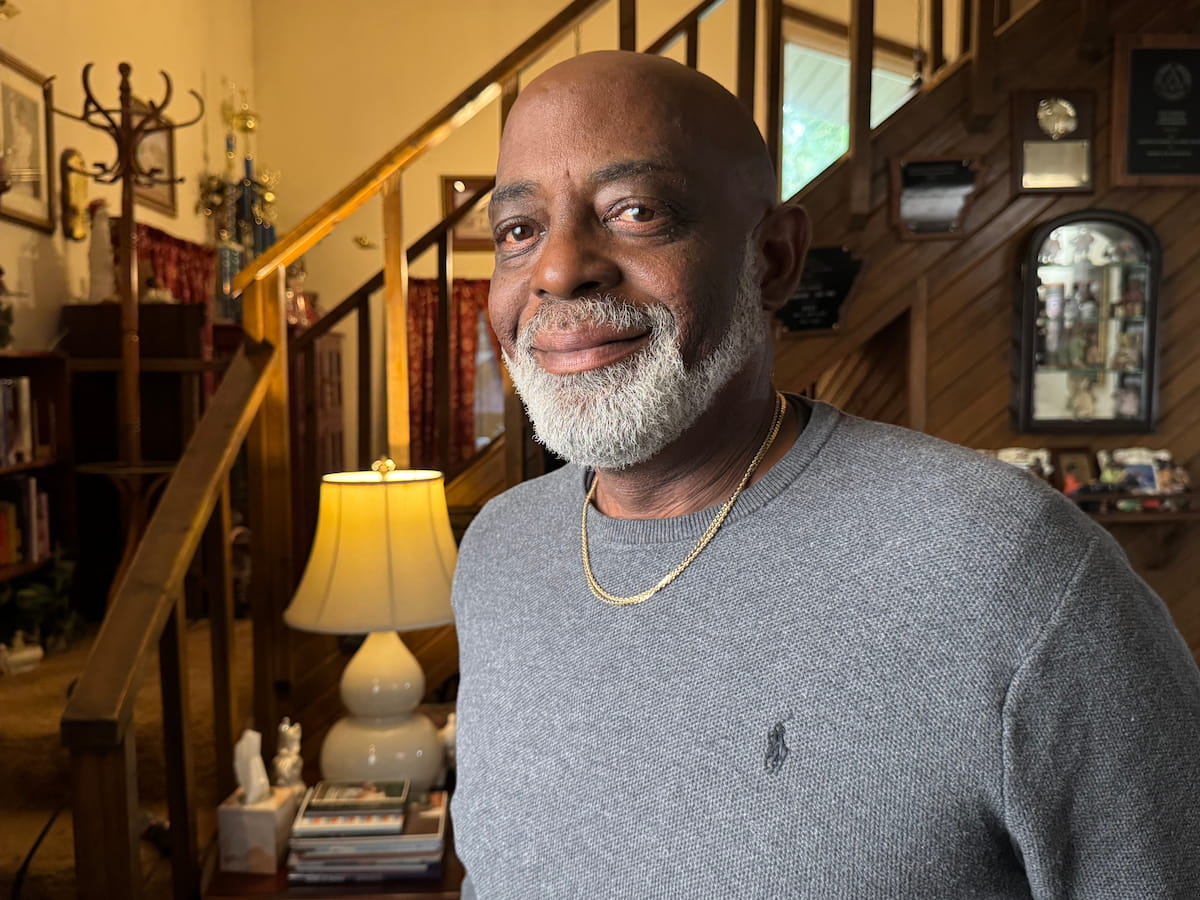
Marcus McDonald spent 41 years as the chief photographer at an ABC television station, always telling other people’s stories. He never imagined he would one day become the story himself.
Two years ago, McDonald, who is also a pastor and storyteller, learned he had extensive-stage small-cell lung cancer (SCLC). Doctors gave him just three to six months to live. Today, he’s back in the pulpit with a renewed sense of purpose. McDonald now helps others facing SCLC, teaching them to speak up for themselves, work with their doctors, and not let a diagnosis steal their happiness.
McDonald first noticed health problems while at work. At first, he tried to ignore how he felt. “I’m thinking I can shake it off,” he tells BlackDoctor. But when his neck swelled and he struggled to speak, his news director insisted he see a doctor right away.
When doctors gave him the terminal diagnosis, McDonald didn’t respond with despair. He was ready to face it. “I said, ‘Okay, what are we going to do about it?'” he recalls. “Whatever we’ve got to do, let’s do it. I’ve had a good life, and I’m not afraid to leave this earth.”
In those first tough moments, McDonald didn’t think about himself. “It wasn’t about me when they told me. I thought more about my family than I did about me, about my wife and my kids and what they were going through.”
RELATED: Life After Diagnosis: Navigating SCLC Treatment Options
McDonald warns others not to fall into a “pity party,” which he believes can be just as harmful as the illness. For him, having the right mindset is key to getting better.
“Your mind is part of your healing,” he says. “How you look at stuff is part of your healing. I can’t be down as good as God has been to me. I can’t walk around down. I’ve got to walk around like, ‘Hey, everything gonna be all right.'”
He brings this positive attitude to every clinic visit. “I go into these clinics. I go into these treatments and that’s the thing I’m I’m telling everybody in there. It’s going to be all right. Everything is going to be all right. I met so many different people [who have] a change of attitude now that [were] having pity parties.”
While his faith and mindset are important, McDonald is open about the hard work of recovery. He credits his survival to his “village”—a strong support system of family and friends who made sure he didn’t have to deal with daily chores during treatment.
“When I first got sick, my wife didn’t even have to cook. My friends and everybody were cooking for us, taking care of us, making sure that everything that we didn’t have to focus on this or that,” he recalls.
This support let him focus on the lifestyle changes needed for his “new life.” He admits that adapting has taken time.
“I have to start drinking water so I won’t be dehydrated, keep my body right … I have to change the way I live and the things I do and realize that I’m not the Marcus I was 10 years ago,” he shares.
Today, his recovery is still ongoing. He gets regular PET scans and checkups every few weeks, working closely with his medical team to catch any problems early. “They stay on top of it. When they see something, we take care of it. They don’t waste no time,” he adds.
RELATED: Recognizing the Signs: Early Symptoms of SCLC You Shouldn’t Ignore
Along with staying positive, McDonald says it’s important to be an active patient. When he was first diagnosed, instead of focusing on the “three to six months” prognosis, he asked his care team, “Where do we go from here?”
“I tell people all the time, I couldn’t even pass PE in school, so I can’t tell a doctor what to do,” McDonald says jokingly. Still, he believes you should take an active role in your care. He encourages anyone with a new diagnosis to remember these things:
For McDonald, living past his original prognosis feels like a sign that he has a greater purpose. He sees himself as a source of hope for people in rural areas, where cancer patients often feel alone and don’t have much support.
“It’s for a reason and a purpose,” he concludes. “And it might not be for me, but it might be to help and serve somebody else along the way. I’m the one he chose to be that vessel. I’m the vessel that he chose to share my testimony with other people.”
Whether he’s in the pulpit or at a treatment center, McDonald always wants to make sure no one feels alone on their journey. By sharing his story, he has turned a tough diagnosis into a way to help others, showing that even with a serious illness, there is still room for faith, support, and happiness.

By subscribing, you consent to receive emails from BlackDoctor.com. You may unsubscribe at any time. Privacy Policy & Terms of Service.