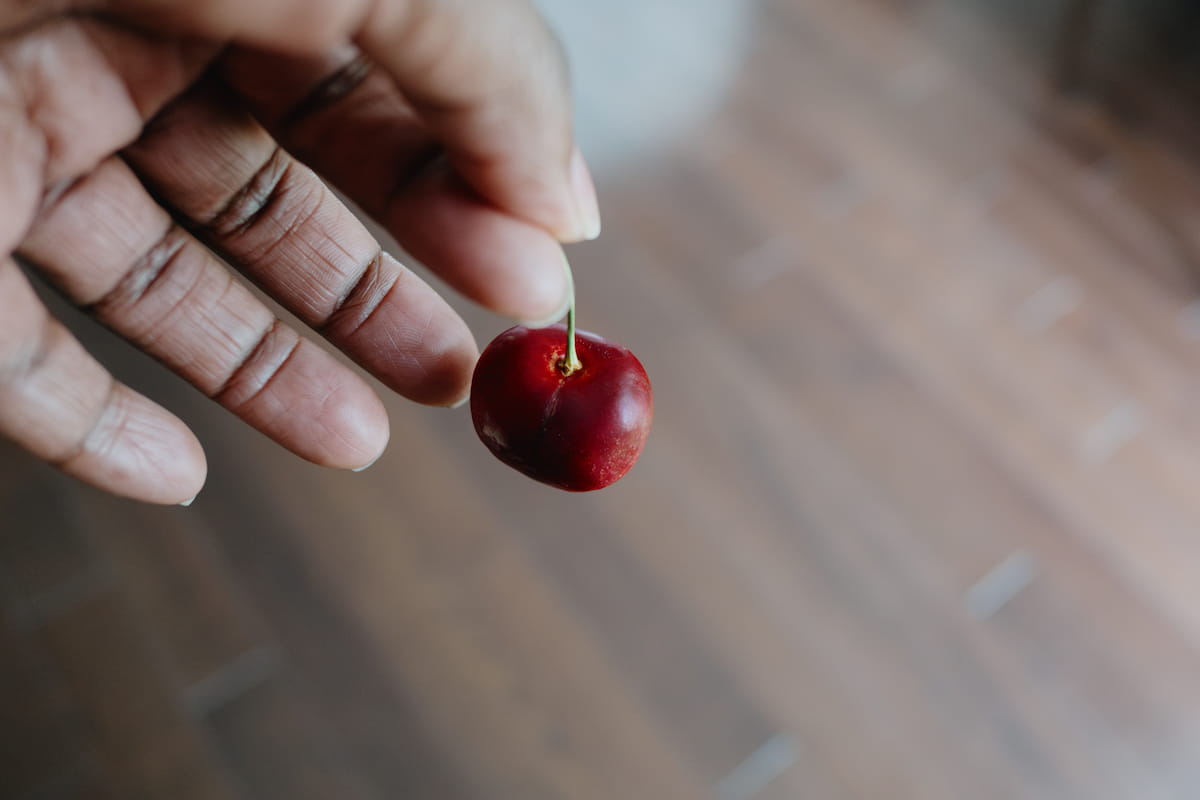
People may not talk about cherries as often as other fruits, but they may pack quite the healthy punch. When considering the potential health benefits, Black men, in particular, should pay attention. Just adding a few cherries to your diet may give you a much-needed boost. Better yet, now’s a good time to stock up on the little fruits because–depending on where you live–they’re in season until July.
Red cherries generally contain anthocyanins and polyphenols, which have antioxidant properties. When eaten, these antioxidants can protect your body from free radicals that cause inflammation. Having chronic inflammation in the body has been associated with chronic diseases such as heart disease, diabetes, and cancer.
This benefit can be meaningful for Black men as the Centers for Disease Control and Prevention (CDC) listed heart disease as the leading cause of death for Black people in 2024. Black men are also 40 percent more likely to die prematurely from heart disease as opposed to 21 percent of white men. Additionally, Black people have a higher risk of developing diabetes than other ethnicities.
According to a review of multiple studies, cherries that are sweet and tart may help you sleep better. They may be able to do that because they contain melatonin, serotonin, and tryptophan. Melatonin is a hormone that helps your body maintain an effective sleep cycle, while serotonin helps melatonin work. Tryptophan is an amino acid that encourages your body to make serotonin, so they all work together to make sure you sleep well.
For Black people, a good night’s sleep can be elusive. While more research needs to be done to dig into the causes, surveys suggest that more Black young people are struggling with short sleep duration and sleep disorders like sleep apnea. Some potential risks may include stress related to racial discrimination, occupational hazards, working in shifts, financial stress, and poor access to proper healthcare. Regardless of the cause, it’s well-documented that persistently poor sleep can increase your risk of developing heart disease, type 2 diabetes, dementia, as well as breast, prostate, colon, and ovarian cancer.
Interestingly, a study of long-distance runners suggests that tart cherries and their juice may reduce inflammation and soothe sore muscles after exercise. In another study, participants who took a tart cherry powder supplement for 10 days before running a half-marathon reported a 13 percent faster completion time. Their muscles were also less sore afterward.
About 38 percent of Black men over the age of 20 are obese. While weight management plans can vary, exercise is generally included. If eating cherries can improve your endurance and soothe your sore muscles afterward, it may help you remain active.
As mentioned above, cherries can have some anti-inflammatory properties. Additionally, eating cherries or drinking cherry juice may reduce uric acid buildup, which is often associated with inflammatory arthritis. In a study of 633 people with gout, those who ate fresh cherries were 35 percent less likely to have a flare-up, while those who ate cherries and took their medications saw a 75 percent reduction.
According to a report in JAMA Network Open, Black men were more likely to develop gout than their white counterparts. They’re also more likely to have comorbidities like hypertension, heart disease, kidney disease, and diabetes. The most common type of arthritis–osteoarthritis–is also more likely to affect Black people than white ones.
As long as you stick to the suggested serving size, cherries are considered to be low on the glycemic index. That means they don’t significantly increase your blood sugar level. Additionally, one study showed that participants with diabetes who drank 1.35 ounces of sour cherry juice daily for six weeks noted a drop in their blood sugar levels.
Diabetes has long been a problem for Black Americans. According to the U.S. Department of Health and Human Services, Black people are 24 percent more likely to develop diabetes than other members of the population. They’re also 78 percent more likely to die from complications related to the condition.

While more research needs to be done, it’s possible that the melatonin, anthocyanins, and other bioactive compounds in cherries can reduce your risk of developing certain types of cancer.
Even though this benefit isn’t as definitive, the possibility is worth considering for Black people. According to the CDC, Black Americans have the highest risk of developing and dying from many forms of cancer. For example, Black men have the highest rates of being diagnosed with lung and prostate cancer. They’re also more likely to die from them. Of course, there are risk factors associated with these illnesses, so you need to address those as well.
According to the National Kidney Foundation, sweet cherries are rich in potassium, providing more than 200 mg per 3.5 ounces (about half a cup), while sour cherries are low in potassium, with less than 200 mg per serving. Both types contain only trace amounts of sodium. This combination can help you maintain a healthy blood pressure. Cherries also contain phytosterols, which may help lower your cholesterol.
Hypertension is a significant problem for Black people. In 2024, they were 26 percent more likely to be diagnosed with the condition. Of those who were living with hypertension, Black Americans were 85 percent more likely to die from complications associated with the illness, such as hypertensive renal disease. As with diabetes, different factors can increase your risk of developing hypertension, so it’s important to address these as well.
While the exact serving size may vary, a small piece of fresh fruit is usually enough to fit in your hand. This usually means about 14 cherries. Eating a little more than that may not affect you, but issues can arise if you double or triple the suggested serving size. Some people who eat too many cherries can experience bloating, nausea, or diarrhea. This seems to be especially true if you already have a digestive issue like inflammatory bowel disease (IBD).
Although cherries have a small amount of insoluble fiber, the digestive problems may actually stem from the natural sugars that they contain. These shouldn’t cause an issue as long as you stick to the serving guidelines. Cherries also contain salicylates, which can be an issue if you’re sensitive to them.
Unlike some other fruits, cherries aren’t likely to continue ripening after they’ve been picked. Therefore, you should only pick or buy cherries that are already in the state of ripeness that you like. Once you have your cherries, it’s important to get them into the fridge as soon as possible to keep them fresher longer. While you may be tempted to wash the fruits before storing them, doing so can cause them to rot more quickly.
Your best bet for keeping cherries fresher longer is to lay them out in a single layer in the fridge rather than stacking them. Since this can take up a lot of space, depending on how many cherries you picked or bought, it’s a good idea to ensure you have a dedicated spot for them. If they’re in a container, leave it uncovered to ensure good airflow around the cherries.
Interestingly, cherries with their stems intact may last a little longer than those with stems removed. While you may not have any control over whether your cherries still have their stems, it’s good to know. With all this said, though, your cherries will probably only last for a week or so. That’s why you should focus on getting a week’s worth at a time.
Cherries can be a simple way to get a daily health boost. While eating cherries won’t replace other healthy lifestyle changes, such as regular exercise or having a balanced diet, it’s a good place to start. Of course, if you have any concerns about adding cherries to your diet, you should talk to your doctor.


By subscribing, you consent to receive emails from BlackDoctor.com. You may unsubscribe at any time. Privacy Policy & Terms of Service.