Nearly three million Americans live with epilepsy, a chronic neurological disorder characterized by recurrent, unprovoked seizures. According to the Cleveland Clinic, these seizures are caused by sudden, temporary bursts of abnormal electrical activity in the brain, which disrupt normal communication between nerve cells.
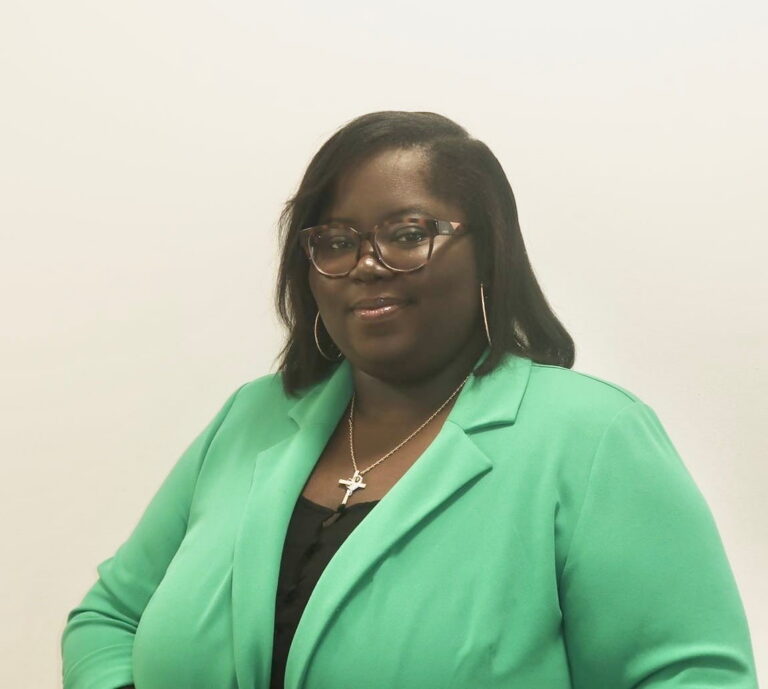
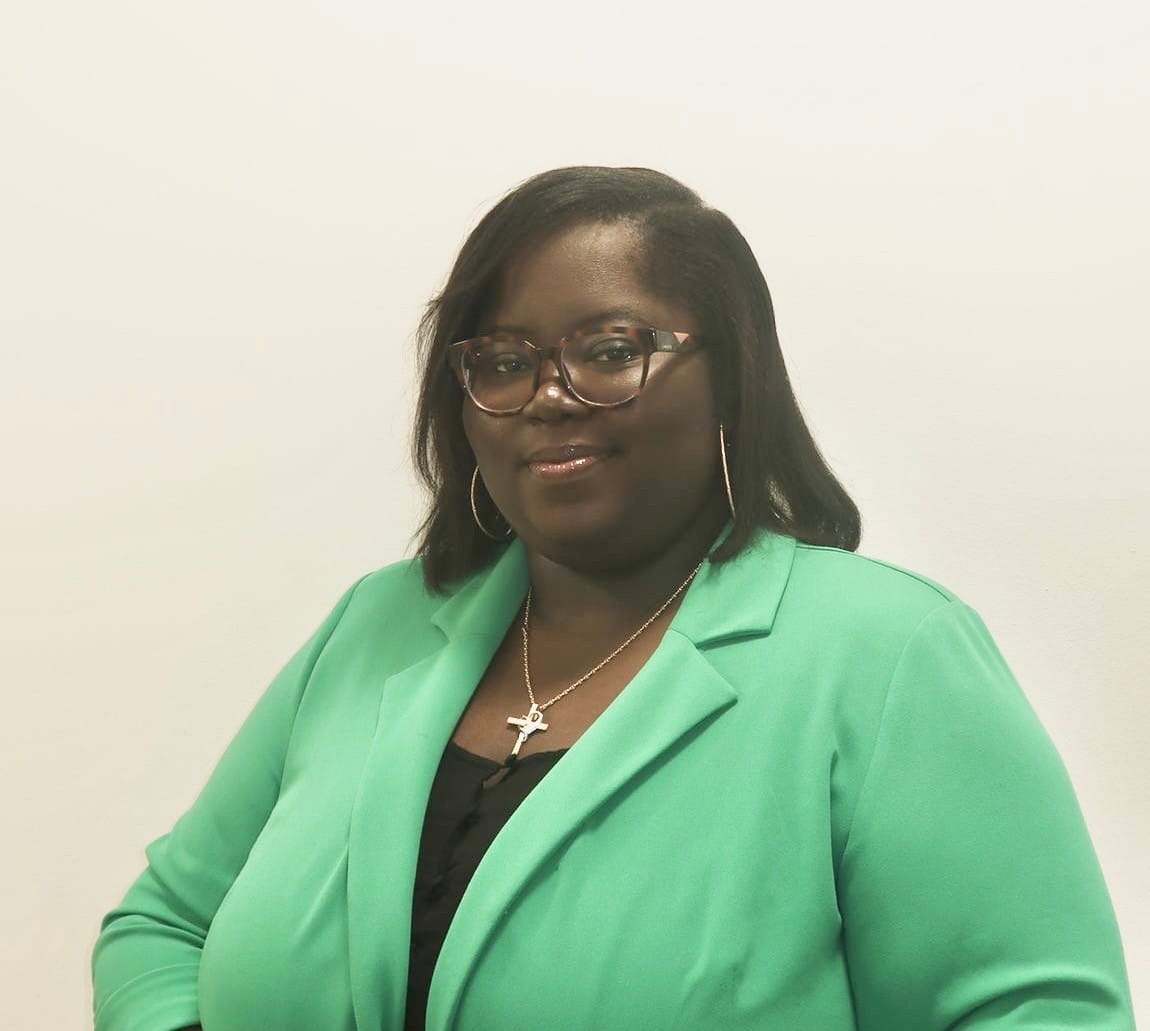
For Ewurakua, who grew up in a low-income, single-parent household and was diagnosed with generalized epilepsy in 2018, the condition significantly altered her life. While in school, she lost her undergraduate scholarship as she navigated frequent seizures.
“I had just started college… I got on campus in August, and by September, it was just a regular day. I went to dinner with a friend, we were walking up the hill, and then I had what we thought was just a syncopal episode—a fainting spell—and I was rushed to the ER, where I had another seizure. From then on… I’ve had countless seizures over the years,” Ewurakua tells BlackDoctor.
The diagnosis was frightening for Ewurakua, especially being away from home for the first time.
“Although I was just a couple of miles away—I went to school in D.C. and grew up in Maryland—it was just fear and panic,” she says. “I felt like my life was never the same after that, and I still feel that way today. I’m my mom’s only child, so I felt like I had finally experienced freedom leaving home for college, and then that was just taken from me. Immediately, I had to come home on weekends, and my mom was calling every morning and every night. I felt like a child all over again, and I sometimes still feel that way with my mom now. It changed my desire for freedom; I thought, ‘Oh, I’m going to college,’ and then that was taken away immediately because of the fear. I don’t really blame my mom, though—it was really scary because nobody else in my family has epilepsy.”
RELATED: Recognizing the Differences: Usual Seizures vs. Seizure Clusters
Despite these challenges, she persevered, graduating magna cum laude from Howard University. She is now working toward a Master of Public Health degree at Brown University—a feat she says she couldn’t have accomplished without the help of her neurologist, her mother, and her faith.
“My neurologist was amazing. She really helped me understand and was incredibly encouraging. We built a great relationship. My faith in God helped, too, because I felt alone all the time. Also, my mom was a voice saying, ‘Don’t give up on your scholarship; go back there.’ I thought, ‘What are you talking about? That sounds crazy, to just go and demand my scholarship back.’ But if she hadn’t been so persistent about me going to the admin office, I feel like that would have changed my trajectory completely. So, I give credit to my mom, my neurologist, and my faith in God,” Ewurakua shares.
Ewurakua is now driven by a mission to become a physician dedicated to serving overlooked communities. Her journey highlights the systemic difficulties many with epilepsy face in achieving academic and professional success. A 25-year population study found that 35 percent of individuals with epilepsy never enter the workforce, and only 18 percent finish college, compared to four percent and 38 percent of their peers, respectively.
RELATED: Epilepsy & Travel: Managing Symptoms Away From Home
To help achieve her goal, Ewurakua applied for the UCB Family Epilepsy Scholarship Program, which aids people living with epilepsy, their family members, and caregivers in fulfilling their dreams. She was awarded one of 33 scholarships, fueling her commitment to improve counseling and access for the most vulnerable.
“Being given the opportunity to complete things on my own timeline was key. I had a very bad seizure about two years ago, and they allowed me to work from home for a majority of my fellowship,” she notes. “…. Sometimes we take scholarships for granted, but that was major. Starting grad school in a different environment, in a different state, is a lot of stress, and stress is one of my major triggers. The scholarship covered the entirety of my first year, meaning I could take my time to explore opportunities rather than having to get a job immediately. Accommodations, scholarships, support systems, and knowing your triggers are all important.”
Receiving the scholarship allowed Ewurakua to see that her story mattered.
“There were so many times after a seizure where I asked, ‘What’s the point?’ But I felt like I could still pursue my career in medicine. I felt that my epilepsy could actually help others, and when I give my testimony, it inspires others. This was an eye-opener that I could still do this. They took my essay and said, ‘We hear you,’ and that really stuck with me,” Ewurakua says.
She also hopes to educate people on the realities of navigating epilepsy day-to-day.
“Not everyone has grand mal seizures, which are what is typically presented in movies and shows. When I had my first seizure, it was a grand mal, but for a year, I also had absence seizures, and I have experienced auras. Every seizure is different. The postictal phase—the period after a seizure—varies, as does recovery. We did not choose to have epilepsy,” she explains.
Society often portrays it as a moment where you fall to the ground and shake, but, as Ewurakua notes, it is not the same for everyone, nor does it present the same way for everyone.
“I have had to explain to people that seizures look different in babies, adults, and teenagers. I could have an aura today, an absence seizure tomorrow, and a grand mal the next day, so I try not to label every manifestation of a seizure,” she adds.
As she continues her education at Brown University, she sees healthcare access and equity for those with chronic conditions in a new light.
“The reason I chose to pursue public health before medical school is because I faced many difficulties accessing healthcare. I was 17 or 18 when I was diagnosed and didn’t know much about the insurance or healthcare system. I was navigating it on my own while away at school. In my program, I’m realizing that we need to address the systems. We talk about how chronic illnesses manifest, but we don’t really talk about how, as a healthcare system, we need to address illness holistically. It’s a never-ending cycle. You can treat someone, but if the medical bills pile up, that stress becomes a trigger, leading to more seizures and more bills. We need to improve our systems to improve health outcomes,” she notes.
That passion is also inspired by her upbringing in Ghana.
“It was just my mom and me. She worked multiple jobs to provide for me. Even before I had epilepsy, I heard stories about how people didn’t make it because of minor issues with the healthcare system. Coming here, I heard similar stories about people being scared to seek care because of bills,” she shares. “Growing up, my mom would put my health before hers. That fueled a passion in me: it doesn’t have to be that you put other things on hold just because of your health. A senior army instructor once told me, ‘To whom much is given, much is required.’ My mom always says, ‘If you have very little and the Lord’s hand is in it, you can make big changes.’ With the little we had, I saw I could make strides to create better opportunities for others.”
Moving forward, she plans to focus on women and children in her future medical practice, highlighting the connection between a mother and her child.
“If a mother isn’t doing well, it impacts the baby; if a child isn’t doing well, it impacts the adult. I’ve been looking at birth methods, postpartum depression, and adverse childhood experiences. I want to advocate for better prenatal and postnatal care. If a mother isn’t attending her wellness checks, how can the pediatrician screen for postpartum depression? We have to look at the relationship between mother and child as a whole. If the mother isn’t well, the child isn’t well,” she explains.
Living with an epilepsy diagnosis can feel overwhelming, but it is possible to manage the condition while pursuing your goals. Below are actionable tips and resources for those currently navigating their own journey.
Finding a support system is one of the most effective ways to combat feelings of isolation. Consider exploring the following:
“Everything happens for a reason. Even when you don’t understand why or how things are happening, trust that your experiences—even the difficult ones—can shape you in ways that allow you to help others who are just beginning their journey,” Ewurakua concludes.
By subscribing, you consent to receive emails from BlackDoctor.com. You may unsubscribe at any time. Privacy Policy & Terms of Service.