From major events to the daily microstressors we barely register, life is full of pressure. More specifically, life is full of stressors, which may be more complex and impactful than we often realize.
However, in time, if left unchecked and unaddressed, even the tiniest of stress can accumulate. Through weeks, months, and years, the activation of the human stress response can have unexpected impacts on the body. One of those, in particular, is lower heart rate variability (HRV), a key marker of nervous system flexibility.
If you haven’t heard of HRV, low HRV means your heart struggles to adapt smoothly. Over time, persistently low HRV has been linked to a higher risk of health concerns such as high blood pressure, chronic stress, poor sleep, obesity, and heart failure.
By contrast, a higher resting HRV reflects a strong parasympathetic (“rest and digest”) tone. The reason is that the higher one’s HRV at rest, the greater the likelihood that one’s nervous system is balanced and flexible. This association has been demonstrated in various studies.
Ready to unlock modern and traditional methods for better heart health?
Let’s break down the top five heart-rate-friendly measures you can take today.
RELATED: 12 Reasons Why It Feels Like Your Heart Rate Won’t Slow Down
With AI everywhere these days and data being the name of the game, real-time feedback is huge.
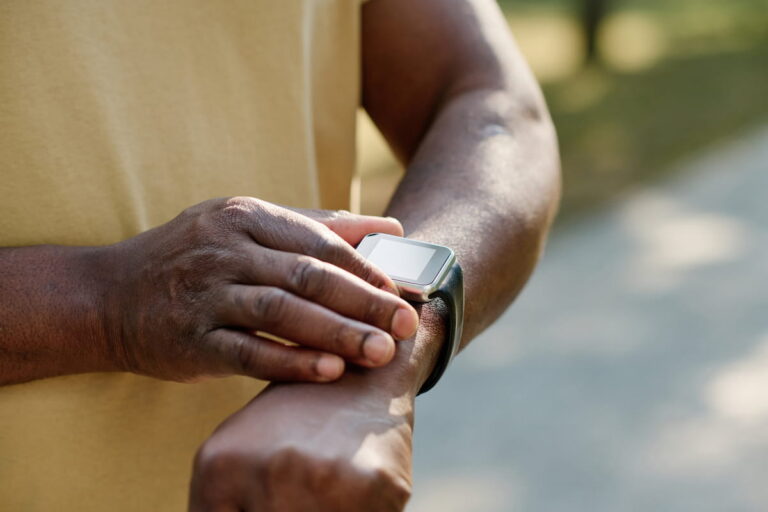
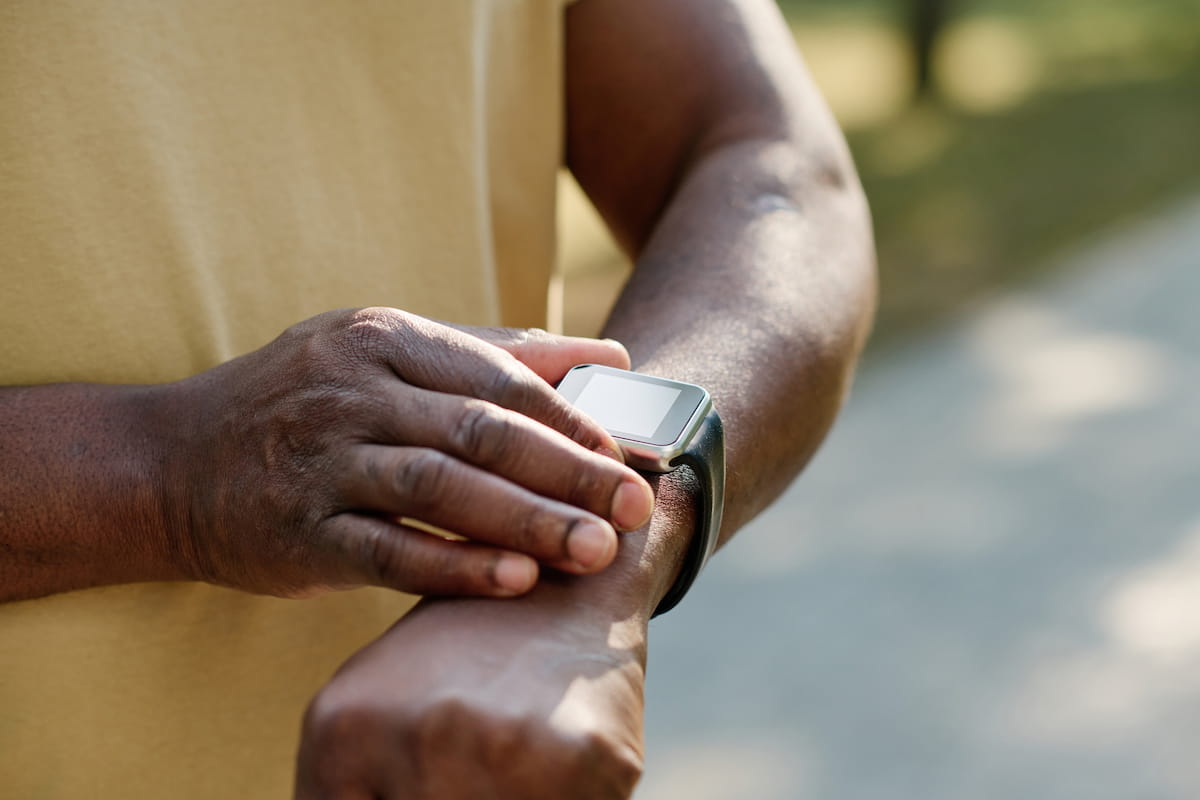
When it comes to HRV, wearables and apps that track it let you see your nervous system’s response right in the moment. Beyond that, they allow you to actually train your HRV on the spot. Through paced breathing and mindfulness, you can strengthen your vagal tone, which is the activity of the main nerve in your parasympathetic nervous system.
Studies show that wearable HRV biofeedback (HRV-B) has measurable effects, lowering blood pressure, anxiety, and enhancing recovery. During an HRV-B session, sensors measure your heart rate and provide real-time feedback on a screen or app. You then practice slow, steady breathing to help your body become more resilient to stress. Devices like advanced rings or chest straps basically turn your phone into a personal nervous system monitor.
With consistent sessions (even just 10-20 minutes daily), you may gradually support resilience, better sleep, and heart health. In fact, one systematic literature review found that HRV-B sessions of 20 minutes or less were “significant moderators of the effect on HRV, stress, and anxiety.” In other words, the length of time is a vital factor in how impactful these sessions can be.
Products like the WHOOP strap, the Oura Ring, the Biostrap EVO, and the Elite HRV App are all amazing options to consider.
This ancient adaptogen is a modern-day powerhouse.
As you may know, cortisol is the ‘stress hormone,’ and it’s largely responsible for numerous negative outcomes when elevated for long periods. In people who are chronically stressed, these raised levels can lead to systemic inflammation, increasing the likelihood of developing all types of diseases, particularly cardiovascular diseases.
Thankfully, ashwagandha can help normalize the HPA axis, your body’s primary neuroendocrine stress response system. Randomized trials show that this evergreen shrub can significantly reduce serum cortisol, perceived stress, and anxiety scores.
One study even found notable drops in morning levels of reported cortisol and anxiety after consistent use. For Black folks navigating layered stressors, this herb offers a natural buffer.
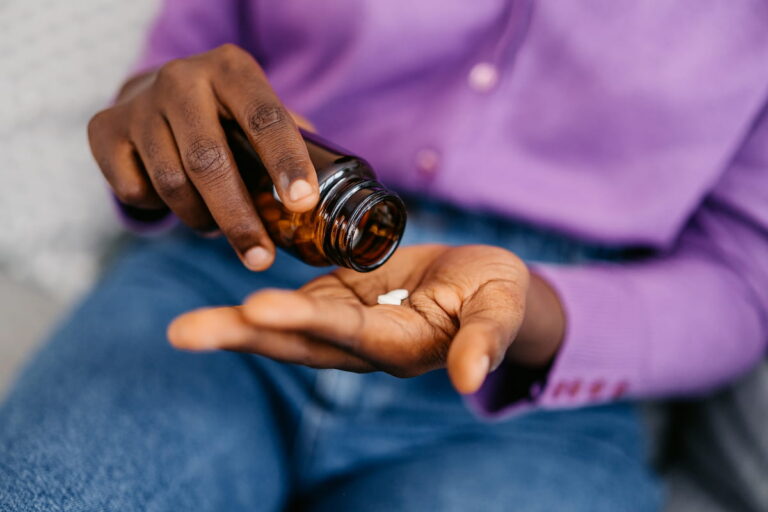
It may support better HRV, help with mood, and contribute to metabolic health. To get started, use a standardized extract and consult your doctor about dosing and interactions.
It can be a helpful addition to some people’s daily routines.
Never underestimate the power of your breath.
It’s free and always available!
So begin slowly. First, practice slow, resonant breathing at roughly 5-6 breaths per minute. This can support HRV by enhancing parasympathetic activity. As a matter of fact, practices like 4-7-8 breathing, box breathing, and resonance frequency breathing can all influence your nervous system, improving sleep and blood pressure.
Some research shows that just four weeks of daily resonance breathing can significantly improve HRV parameters, even sharpening cognition.
When engaging in resonance breathing, just remember one thing: consistency.
Your goal is to essentially breathe at a steady rate of 5 to 7 breaths per minute. This may help synchronize your heart, lungs, and nervous system and support your body’s relaxation response.
It doesn’t take much. Just 10 minutes morning and night, perhaps during your commute or while winding down with music. These practices help counter anxiety spikes and exhaustion from microstressors and support heart rate variability.

So-called cold plunges, cold showers, and polar bear plunges seem to be all the rage these days – and there’s good reason. Basically, they train resilience.
According to research, brief, controlled cold exposure activates the nervous system adaptively, boosting HRV over time by strengthening parasympathetic recovery.
In related ways, cold exposure therapy may aid inflammation, circulation, and mental resilience against daily stressors.
If you want a powerful tool against vascular stiffness and fatigue, this might just be it. As always, start gently. End your showers with 30-60 seconds of cold water, or try short ice baths under professional guidance.
While some evidence supports these practices for heart health and mood, individual results can vary.
Are you seeking more advanced optimization strategies?
While microdosing should always be done under medical supervision, some individuals pursue it because, when done correctly, it offers many potential benefits. For instance, CJC-1295, a growth hormone-releasing hormone analog, is being studied for potential effects on recovery, body composition, and, indirectly, HRV.
These growth hormone pulses are being studied in relation to muscle maintenance, fat loss (including belly fat), and overall vitality. Indirectly, of course, these improvements are great for your heart health. If you have more muscle, less fat, and more energy, these changes may benefit your cardiovascular system.
But again, always seek professional oversight. As with any microdosed hormones, there are always potential interactions and side effects to be monitored. You should also be aware that CJC-1295 is not approved by the FDA for any use, and because it may enhance performance, it’s classified as a prohibited doping substance by many sports organizations.
That said, with careful, specialist-supervised use, you may experience some positive effects, though research is ongoing and results vary.
These approaches are most effective when considered as part of a broader health strategy. Your healthcare providers can help shape a plan that works for you. For instance, tracking your HRV with a wearable, incorporating ashwagandha and breathwork, and adding strategic cold exposure can all be considered. Hormones and peptides should only be explored under the close supervision of your doctor(s).
Address root causes too. Ensure you’re getting some daily movement, whether it’s dancing, walking, resistance training, or other moderate activities. Resistance training, such as with pushups, band exercises, or weightlifting, is particularly beneficial when applied strategically.
There’s no need to overdo things—start small, and build gradually. As you become fitter and healthier, you may choose to increase the workload, but for beginners, it’s best to keep it light, enjoyable, and consistent.
Remember: low HRV is linked to higher risks of hypertension and heart issues, so increasing HRV is key in the long term.
So think long term. Check your baseline HRV, brew some adaptogen tea, do a five-minute breath session, and commit. These habits may support a healthy heart, a more efficient body, and a resilient nervous system.

By subscribing, you consent to receive emails from BlackDoctor.com. You may unsubscribe at any time. Privacy Policy & Terms of Service.