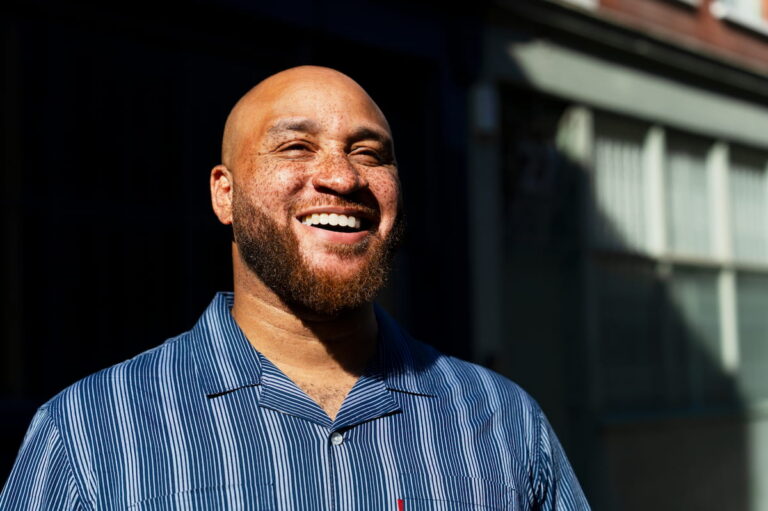
“Man, I’m fine.” It’s a phrase heard in countless households across the country. A wife notices her husband has been complaining about headaches for weeks, a daughter points out that her father gets winded walking upstairs, or a son asks his dad when he last had a physical. The answer is often the same: “I’m good,” “I’ll go if it gets worse,” or “It’s nothing.”
For many Black men, especially fathers, delaying medical care has become so common that it often feels normal. Symptoms get pushed aside, appointments get postponed, and preventive screenings get skipped. In many cases, healthcare doesn’t become a priority until a health issue becomes impossible to ignore.
The problem is that waiting can be dangerous. Many of the leading causes of death among Black men—including heart disease, stroke, diabetes, and certain cancers—often develop quietly over time. By the time symptoms become severe, treatment options may be more limited. The good news is that this pattern can change, but changing it requires understanding why so many Black fathers avoid healthcare in the first place.
The stereotype often suggests that men simply don’t like going to the doctor. While there may be some truth to that for certain individuals, the reality is much more complicated. Many Black men face a combination of barriers that influence healthcare decisions, including distrust of healthcare systems, fear of receiving bad news, financial concerns, lack of time, previous negative experiences, pressure to appear strong, and cultural messages about self-reliance.
As health advocate Dr. Eugene McDougle discusses in his article “Brothers, Let’s Talk Health,” many Black men have been conditioned to believe that toughness means enduring discomfort rather than seeking help. For generations, many men have been taught that vulnerability is weakness. Unfortunately, that mindset often extends to healthcare.
Black fathers often carry significant responsibilities. They are providers, protectors, leaders, caregivers, and role models. Many feel pressure to keep moving no matter what is happening physically: if the family needs support, they show up; if bills need paying, they work; and if children need guidance, they lead. Some men become so focused on taking care of everyone else that they stop paying attention to their own health.
The problem is that many serious conditions don’t announce themselves dramatically. High blood pressure may have no symptoms, diabetes can develop gradually, and heart disease can progress for years before a major event occurs. Pushing through symptoms doesn’t eliminate the problem. It simply delays the opportunity to address it.
Conversations about Black men’s health cannot happen without acknowledging medical distrust. Many Black Americans have legitimate concerns about healthcare, rooted in both history and personal experience. Historical events like the Tuskegee Syphilis Study damaged trust in medical institutions and continue to influence perceptions today.
But distrust isn’t just historical. Many Black patients report feeling dismissed, rushed through appointments, misunderstood, or not taken seriously. Research has consistently shown that Black patients often experience different healthcare outcomes and communication experiences than white patients.
When people repeatedly feel unheard, avoiding healthcare can begin to feel safer than engaging with it. That doesn’t make avoidance healthy, but it helps explain why it happens.
Another reason many Black fathers avoid the doctor is fear—not fear of doctors themselves, but fear of what might be discovered. Many men quietly worry: What if something is wrong? What if it’s serious? What if I can’t provide for my family anymore? What if I hear something I don’t want to hear?
Avoidance can create a temporary sense of relief, but it doesn’t reduce risk. In fact, avoiding care often increases risk because conditions continue progressing without treatment. One of the most empowering truths in medicine is this: early detection saves lives. The earlier many conditions are identified, the more treatment options often exist.
Several health conditions disproportionately affect Black men and deserve attention long before symptoms appear.
Often called the “silent killer,” high blood pressure frequently develops without obvious symptoms. According to the American Heart Association, Black adults experience some of the highest rates of hypertension in the world. Untreated high blood pressure increases the risk of heart attack, stroke, kidney disease, and heart failure.
Type 2 diabetes affects Black Americans at higher rates than many other populations. Early symptoms may include fatigue, increased thirst, frequent urination, and blurred vision. Many people live with diabetes for years before receiving a diagnosis.
Heart disease remains the leading cause of death for Black men in the United States. Risk factors include high blood pressure, diabetes, smoking, high cholesterol, obesity, and family history. The frightening reality is that many men do not discover cardiovascular problems until a serious event occurs.
RELATED: Men: Knowing Your PSA Number May Save Your Life
Black men face a significantly higher risk of prostate cancer and are more likely to die from the disease than men of other racial groups. The American Cancer Society recommends discussing screening options with a healthcare provider, especially for higher-risk individuals.

One of the biggest misconceptions about doctor’s visits is that they are only necessary when something feels wrong. Preventive care works differently: the goal is to identify concerns before symptoms become severe.
Routine visits can help monitor blood pressure, blood sugar, cholesterol, weight changes, mental health, and cancer screening needs. According to Dr. Eno Nsima-Obot’s discussion of men’s health disparities, many of the conditions affecting Black men are highly treatable when identified early. The challenge is getting men through the door before a crisis occurs.
Family members often recognize health changes before the person experiences them. That makes families powerful advocates, but encouragement works better than criticism.
Instead of saying, “You never go to the doctor,” try saying, “I care about you and want you around for a long time,” “Let’s schedule our checkups together,” or “The kids need you healthy.” Supportive conversations tend to create less resistance than judgmental ones.
Families can also help by offering transportation, helping schedule appointments, attending visits when appropriate, and encouraging follow-up care. Sometimes, the difference between avoidance and action is simply having support.
Many men feel uncertain about what to discuss during medical appointments. Having a few prepared questions can help. Consider asking:
Healthcare visits work best when they are conversations—not lectures.
Perhaps the most important shift involves redefining what strength means. For generations, many men were taught that strength meant enduring pain silently, ignoring symptoms, and handling everything alone. But real strength looks different. Real strength means taking care of your health, asking questions, getting screened, seeking treatment when needed, being present for your family, and living long enough to watch your children and grandchildren grow.
A doctor’s visit is not a sign of weakness. It is an investment in the people who depend on you. Too many Black fathers delay medical care until symptoms become serious—not because they don’t care or because they’re reckless, but because of a complicated mix of fear, distrust, cultural expectations, financial pressures, and the desire to keep pushing forward.
The problem is that many serious health conditions are easiest to treat when caught early. Preventive care is not about looking for problems; it’s about protecting your future. Black fathers spend their lives caring for families, guiding children, and supporting communities. They deserve the same care they so freely give to everyone else, because being there for your family tomorrow starts with taking care of yourself today.

By subscribing, you consent to receive emails from BlackDoctor.com. You may unsubscribe at any time. Privacy Policy & Terms of Service.