For many people, summer is a time for cookouts, vacations, outdoor workouts, and long days in the sun.
But if you have high blood pressure, hot weather can put extra strain on your heart and circulation. Heat, dehydration, certain medications, and even some favorite summer foods can all affect your blood pressure.
The good news? A few simple precautions can help you stay safe while still enjoying the season.
Here are six summer blood pressure risks to know—and practical, science-backed ways to handle them safely.
You probably know all too well that high temperatures can trigger heavy sweating as your body tries to cool itself.
All of that heavy sweating causes fluid loss, which reduces blood volume. When that happens, the Mayo Clinic agrees your heart has to work harder to circulate blood, increasing the risk of dizziness, lightheadedness, or sudden drops in blood pressure.
Whether you’ve spent hours outdoors at a get-together or doing a task, like mowing the lawn, you should be hydrating consistently, not just when you’re thirsty.
Stay hydrated by drinking fluids consistently throughout the day, especially before, during, and after spending time outdoors in the heat. Your fluid needs vary based on factors like your age, activity level, medications, overall health, and the weather.
When you sweat, your body loses electrolytes—minerals like sodium and potassium that help regulate fluid balance, muscle function, and nerve signaling. Replacing them through foods and beverages can help support hydration, especially after spending time in the heat.
Watermelon, oranges, cucumbers, and coconut water are all hydrating options that also provide electrolytes like potassium.
RELATED: Bored Wth Water?: 4 Drinks That Are Just As Hydrating
Some blood pressure medications—including diuretics (“water pills”), beta-blockers, ACE inhibitors (such as lisinopril), and angiotensin receptor blockers, or ARBs (such as losartan)—can make it harder for your body to regulate fluids or adapt to extreme heat.
ACE inhibitors and ARBs can also affect how your body regulates fluids during extreme heat, making it especially important to stay hydrated and pay attention to how you feel, according to the CDC.
Some blood pressure medications can also make your skin more sensitive to sunlight, increasing your risk of sunburn. Wearing sunscreen, lightweight protective clothing, and seeking shade can help protect your skin while spending time outdoors.
Before the hottest months of the year, talk with your healthcare provider about how your medications may affect you in the heat. Never stop or change your medication without medical guidance, but don’t hesitate to ask whether changes in timing, dosage, or hydration strategies are appropriate for you.
If you take medication for high blood pressure, have a summer game plan. Know how your medications affect you in the heat, stay hydrated, and talk with your healthcare provider before making any changes to your routine.
You don’t have to avoid summer activities altogether. Just monitor your blood pressure more closely during periods of extreme heat and let your healthcare provider know if you notice unusual readings or symptoms.

Exercising outdoors during extreme heat increases the demands placed on your heart. Combined with dehydration, hot weather can increase the risk of heat exhaustion, heat stroke, and other heat-related illnesses.
When your heart rate rises, your blood vessels dilate to release heat, and dehydration can add even more stress on top of it.
The Mayo Clinic confirms that you should look out for symptoms such as chest tightness and dizziness. If you notice these, stop immediately, seek a cool place, and hydrate. It’s always a good idea to contact medical professionals if you suspect a heat-related illness.
Alternatively, be proactive. Shift summer workouts to early morning or evening, outside of peak hours. If you do choose to exercise when it’s hot, choose lighter activities like walking or swimming.
Overall, stay hydrated, wear breathable clothing, and stop immediately if warning signs strike.
Always listen to your body. Pushing through isn’t worth your life!
Barbecue season is about as tempting as it comes, but for many people, sodium-filled foods can quietly raise their sodium intake.
Whether it’s hot dogs, sausages, barbecue sauces, potato salad, chips, or many other processed sides, excess sodium can be sneaky. Research shows that excess sodium can cause the body to retain fluid, increasing blood pressure, says the NIH.
Fortunately, you don’t have to skip the cookout to protect your heart. Bring or prepare lower-sodium alternatives. Choose lower-sodium options like grilled chicken or fish seasoned with herbs and spices, fresh vegetables, fruit, or homemade side dishes with less added salt.
Potassium helps balance the effects of sodium and supports healthy blood pressure, making foods like bananas, spinach, sweet potatoes, and beans smart additions to your plate.
Using canned beans? Rinse them thoroughly under running water to help remove some of the excess sodium before serving.
You don’t have to skip the family cookout or pass on every favorite dish. Instead, think about balance: fill your plate with plenty of fruits and vegetables, choose lean grilled proteins when possible, and enjoy higher-sodium favorites in moderation. Small choices can help support your blood pressure without taking the fun out of summer.
RELATED: Ways to Enjoy the Cookout, Even If You Have Diabetes
Let’s face it, we’re adults here, and we enjoy libations from time to time. While moderation is always key, it’s important to understand if you have unique risk factors. As a rule of thumb, it’s good to keep your summer beverages in check.
Tasty cocktails, beer, and sugary drinks may feel refreshing, but alcohol can increase fluid loss and make it harder for your body to stay hydrated in hot weather. Sugary beverages can also add extra calories and may contribute to weight gain over time.
Want something flavorful without the alcohol? Try a mocktail, sparkling water with fresh fruit, unsweetened iced tea, or infused water. If you do choose to drink, be mindful. Pair each alcoholic beverage with a full glass of water, especially when spending time outdoors.
Know your body. Limit alcohol, especially when temperatures are high, or you’re spending time being physically active outdoors.
Last but definitely not least are heat-related warning signs that should never be ignored, especially if you have high blood pressure or other cardiovascular risk factors.
When it comes to this risk category, it’s all about paying attention to your body. Never dismiss sudden severe headaches, chest pain, confusion, shortness of breath, fainting, or persistent dizziness. These warning signs may require immediate medical attention, according to the CDC.
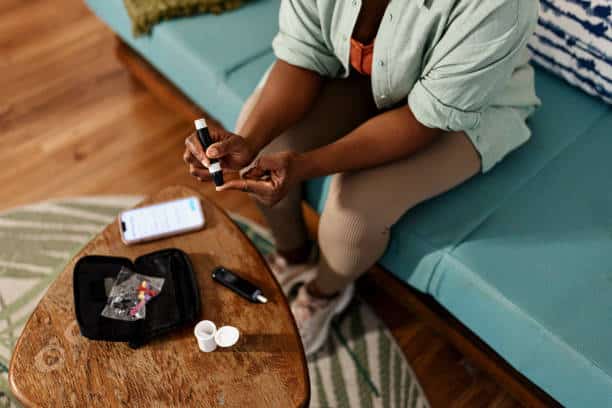
This is where being prepared can be a lifesaver. Have a clear summer safety plan. Check your blood pressure regularly, know your personal warning signs, and let someone know your plans if you’ll be outside for long periods during extreme heat.
There’s nothing wrong with seeking medical help if you feel “off.” Call 911 for serious symptoms such as chest pain, severe shortness of breath, confusion, or fainting.
RELATED: Beat the Heat: Staying Cool Without Air Conditioning
Summer should be a season you enjoy—not one you fear. Staying hydrated, planning outdoor activities around the hottest parts of the day, making heart-healthy food choices, taking medications as prescribed, and recognizing early warning signs can all help you stay safe in the heat.
Small habits make a big difference. By planning and listening to your body, you can protect your heart while still enjoying everything summer has to offer.

By subscribing, you consent to receive emails from BlackDoctor.com. You may unsubscribe at any time. Privacy Policy & Terms of Service.