Walking into a doctor’s office knowing something is wrong—or that something simply feels off—only to have your concerns brushed aside is something far too many Black women have experienced.
Maybe you were told you’re exaggerating. Maybe you were told you’re imagining things. Maybe you were told nothing is wrong.
Whatever the case may be, these dismissals are more than frustrating—they’re dangerous. When symptoms are ignored, illnesses have more time to progress. In maternal health, these failures can be deadly and are one of the many reasons Black women are nearly three times more likely to die from pregnancy-related complications than white women.
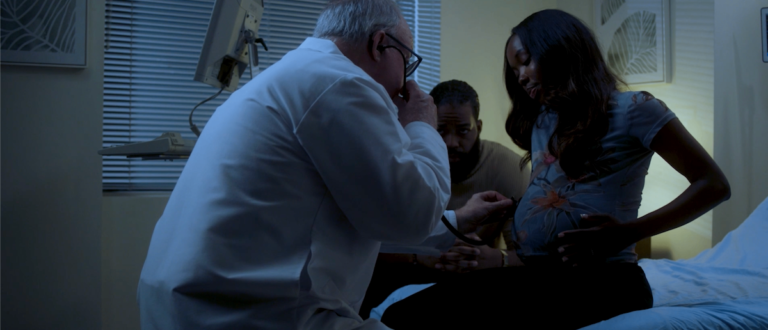
Recognizing the urgency of confronting the ways the healthcare system continues to fail Black women, health and wellness brand Black Girl Vitamins has released “The Visit,” a powerful short film launched during Black Maternal Mental Health Week, that captures the many ways Black women of all ages experience medical dismissal—and the devastating consequences that can follow.
RELATED: The Ebony Canal: A Film That Refuses to Let Black Mothers and Their Babies Die in Silence
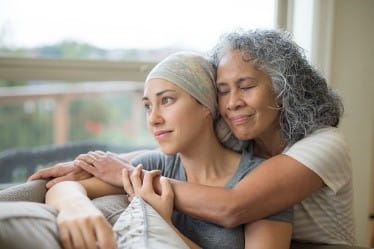
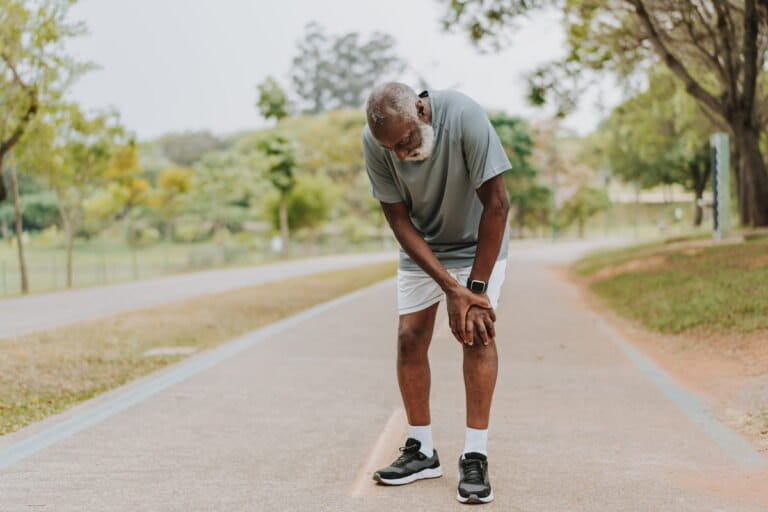
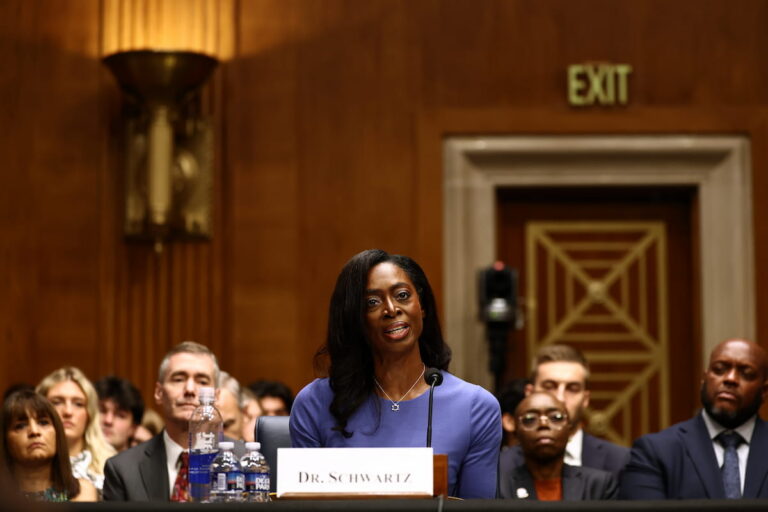
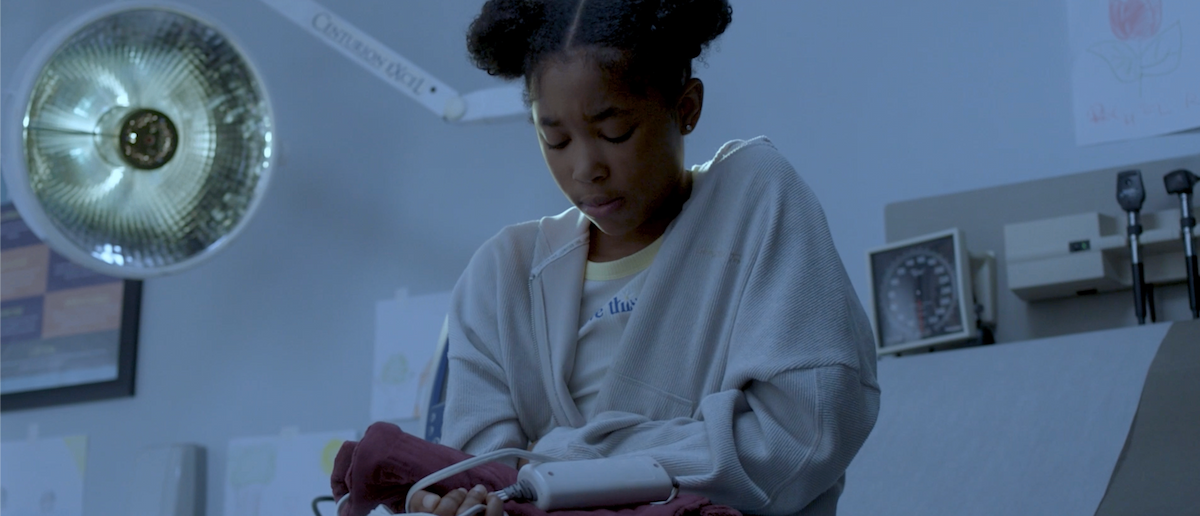
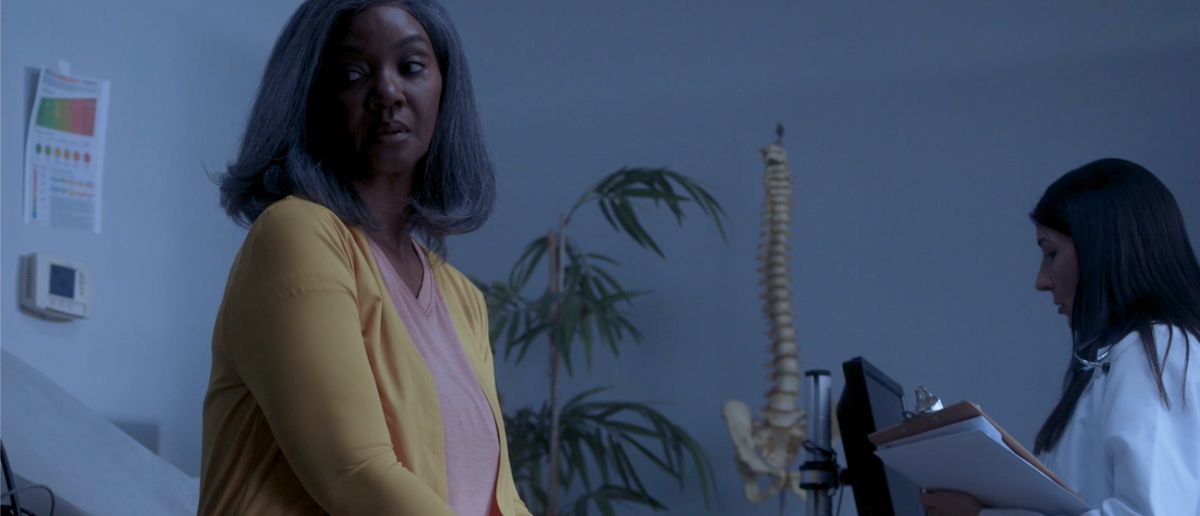
According to a press release, “The Visit” follows four Black women at different stages of life, revealing how repeated experiences of medical dismissal shape their health journeys.
“The Visit is rooted in Black Girl Vitamins’ purpose to ensure Black women feel seen, heard, and supported in their health journeys,” explains Jennifer Juma, Chief Strategy Officer at Black Girl Vitamins. “It extends that mission by sparking an honest, necessary conversation and raising awareness around critical issues like Black maternal health, medical bias, and the importance of truly listening to Black women.”
The film also pushes back against the “Strong Black Woman” trope that so many Black women are taught from an early age.
“We were raised to believe that being strong meant not saying it hurts. So we got quiet. Not because it stopped hurting, but because quiet hurt less than being ignored,” the film’s narrator says.
As the film powerfully illustrates, this silence doesn’t begin in adulthood. It starts when we’re young girls. It follows us through pregnancy and motherhood. And for many, it continues into our senior years, after decades of feeling unheard have eroded trust in doctors and the healthcare system.
At its core, “The Visit” exposes a much larger issue: how medical bias, misinformation, and inadequate training can have life-or-death consequences.
One of the film’s most heartbreaking moments centers on the death of a Black expectant mother whose concerns were repeatedly dismissed.
As the narrator explains:
“And some doctors were taught that we actually feel less pain… that’s what was written into their training.”
These are the kinds of harmful beliefs that lead many Black women to delay—or avoid—seeking medical care altogether out of exhaustion and self-preservation.
“They’re going to say what they said the last time. They’re going to say, ‘Run some tests. Everything looks fine.’ And come back in six months…,” one of the film’s characters says.
The emotional toll is just as profound as the physical one.
“So, some of us stopped going altogether. And we missed things. Birthdays, first dates, prom, the beginning of things. We carried what a visit should have caught. And we called the carrying strength because nobody ever offered us a better word for it,” the narrator continues.
For countless Black women, this story isn’t fictional—it’s familiar.
“We are not imagining this. We’re dying from it three, four times more often than the woman in the room next to us for the same complications in the same hospitals. This was not one visit. Every one of us has one just like it. Some of us just don’t walk out.”
While much of “The Visit” highlights the painful reality Black women face, its final moments offer something equally important: hope.
The film shifts from tragedy to accountability by showing what can happen when a physician chooses to stop, listen, and truly hear their patient.
“Turn around and ask again,” the narrator says.
Sometimes the most powerful intervention isn’t a groundbreaking treatment—it’s a doctor saying:
“I’m sorry, sweetheart. Tell me again. Where does it hurt?”
That simple act of listening can be the beginning of a patient finally feeling seen, believed, and receiving the answers—or diagnosis—they’ve been searching for.
Black Girl Vitamins is extending the impact of “The Visit” through a strategic collaboration with Mamatoto Village aimed at driving meaningful change in Black maternal healthcare.
The partnership focuses on elevating the lived experiences of Black women, engaging healthcare leaders and community stakeholders, and advancing greater equity, accountability, and improved maternal health outcomes.
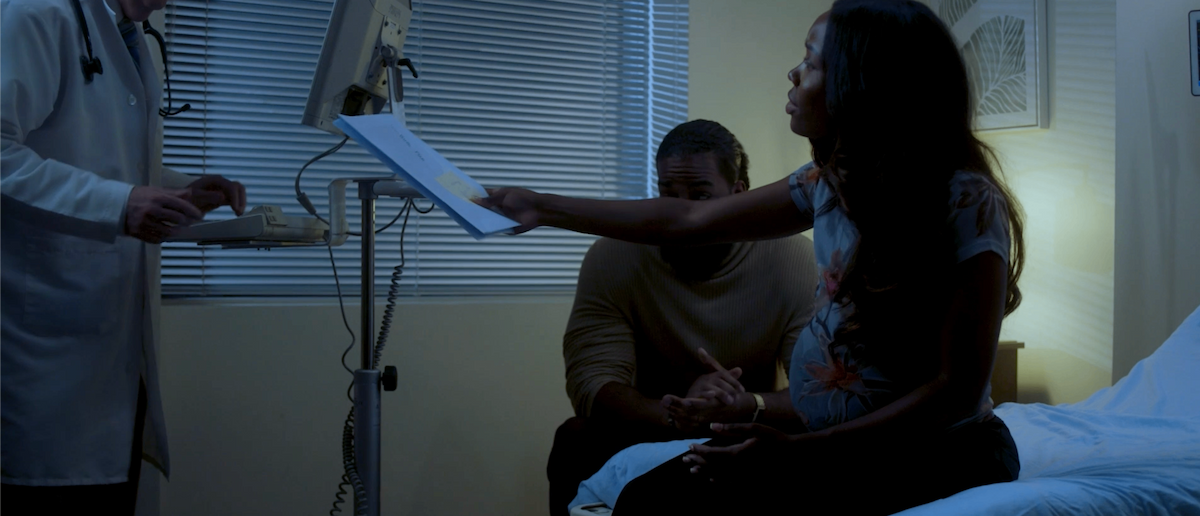
“The Visit” offers a blueprint for a future where healthcare professionals don’t just see Black women—they hear them, believe them, and provide the quality care they deserve.
Until that future becomes reality, many women may have to advocate for themselves to receive the care they need.
Black Girl Vitamins (BGV) is a Black-owned health and wellness brand dedicated to meeting the unique nutritional needs of Black women. Since its launch in 2021, BGV has partnered with leading experts to formulate science-backed supplements specifically designed to support the health and wellness of Black women. Available on Amazon and through the brand’s website, BGV is committed to closing the health equity gap by ensuring Black women have access to vital nutrients. Beyond providing supplements, BGV actively uplifts the community through strategic collaborations with medical professionals, a $100,000 scholarship fund supporting women pursuing healthcare careers, and partnerships with organizations dedicated to advancing health and well-being in Black communities. Learn more at www.blackgirlvitamins.co.

By subscribing, you consent to receive emails from BlackDoctor.com. You may unsubscribe at any time. Privacy Policy & Terms of Service.