Play Video
Poetry of Healing: A truth about marriage
What does marriage really require?

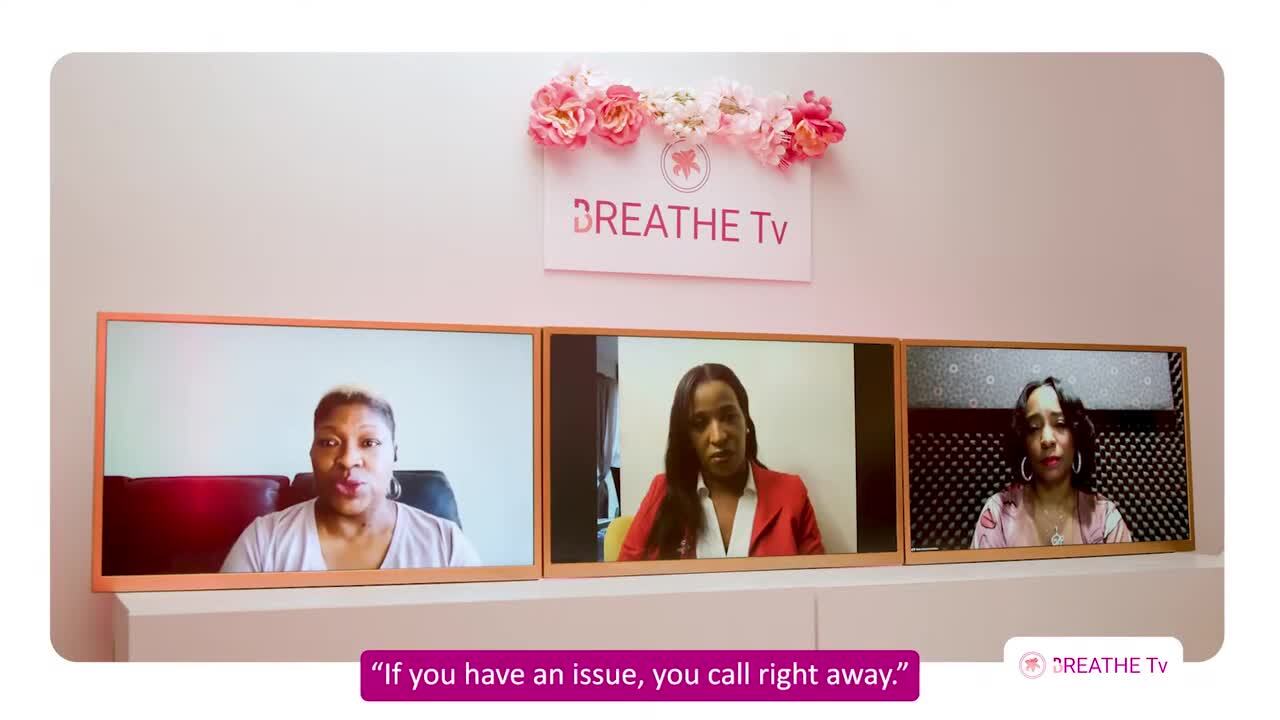
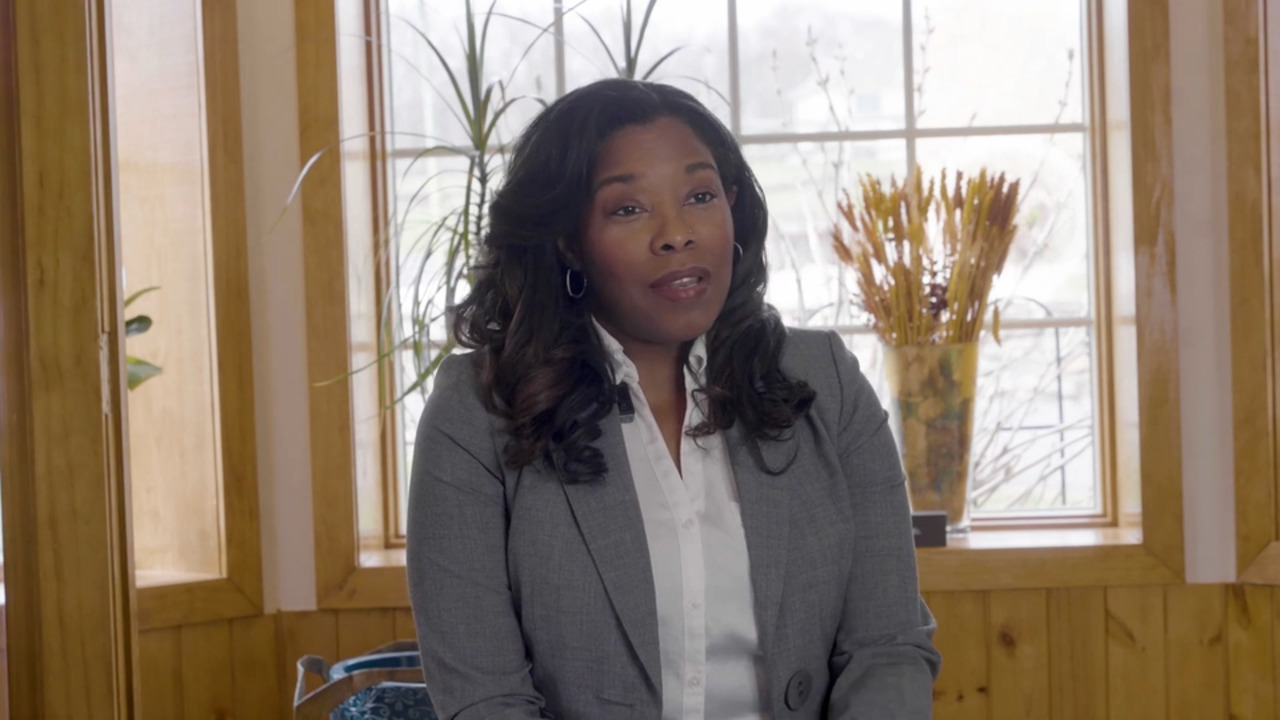
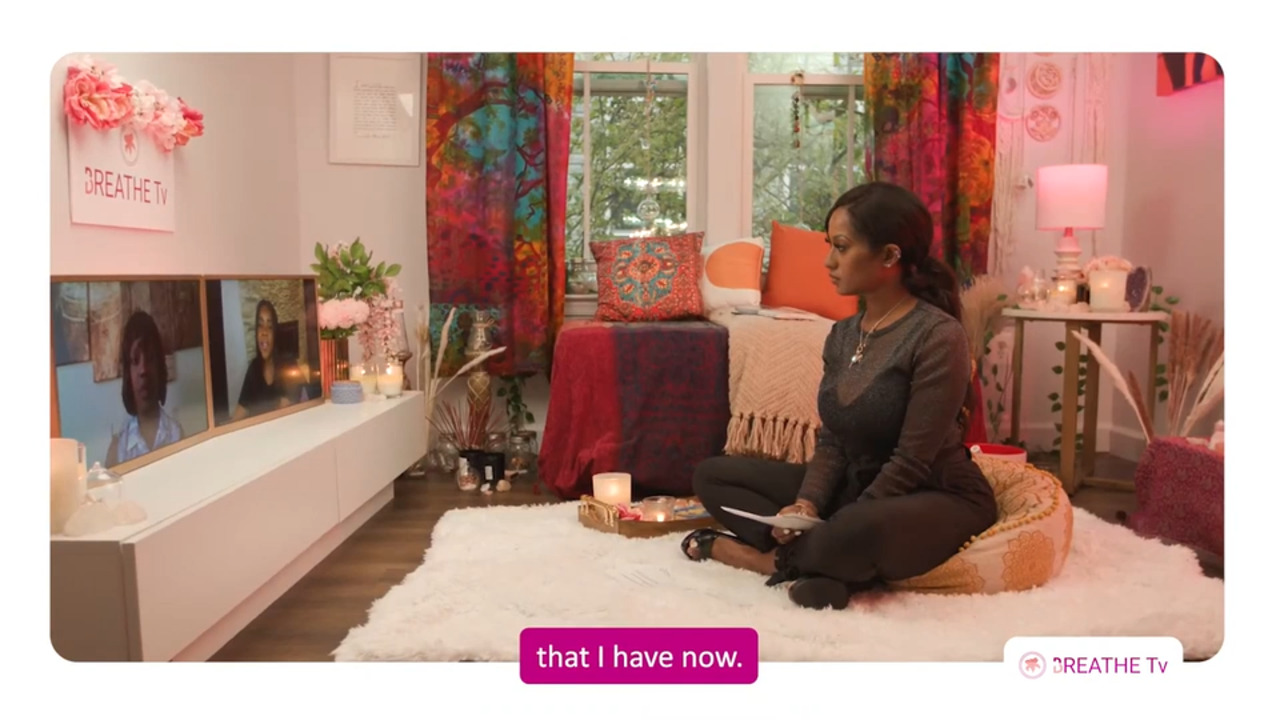
Afternoon. Afternoon. Thank you. can I ask you to sit for a moment and close your eyes? Okay, so Excuse me. How much longer will the wait be? I've been here since nine, and it's already eleven. I don't think you understand. I have sickle cell, and my arms and legs are hurting so bad. I need to get in there. I really can't wait any longer. Yes, sir, I understand. We have to go based on priority and severity. We'll see you as soon as possible. My case is severe. I've been waiting for more than two hours. This is ridiculous. I mean, I I hate it here. They keep saying they're trying to get me in, but it's been hours, and this pain is next level.
I can't move. I can't think. I can't wait any longer. It's been going on for days now, and I'm at my max, man. I really don't know how much longer I can take this. Kenneth, we're ready for you now. Finally, at twelve thirty. It feels like knives, like a thousand knives stabbing my insides. I need relief, like now. Okay, just try to breathe, Kenneth. You've been through this before. Hi, Kenneth. so the nurses tell me you think you're having a sickle cell crisis? Yes. Do you know what that means? I've been in pain for days now, and the amount of pain I've been having, I-- I really need some help.
I'm at a fifteen out of ten. I really can't take this anymore. Please help me. Please. Wow, okay. That's quite high. That would require some serious pain meds. Are you sure that's your pain level? Yes, I'm sure. Doctor, please try to understand and listen to me.
This isn't about pain meds. I'm having a pain crisis. Let's get you started. Hold tight. Why don't you believe me? Why don't you believe me? Why don't you believe me? Why don't you believe me? Why don't you believe me? In one study, approximately two-thirds of sickle cell disease patients who needed urgent care reported delaying going to the emergency department, or ED, because of stigma or other negative experiences. In another study, nearly fifty percent of patients reported ED providers did not believe their symptoms, and they were treated like a drug seeker. This is Kenneth's story, age twenty-seven, living with sickle cell disease, a powerful example of the struggles faced by thousands of SCD patients just like him.
Shift from acute crisis to proactive long-term care. Aim to reduce SCD morbidity and earlier mortality while improving health-related quality of life with a comprehensive proactive approach. Preserve red blood cell health. Prevent VOCs and fatigue. Protect organ health. Thank you for listening. that experience that Kenneth has is very common for people living with sickle cell disease who frequently are going to emergency departments seeking care. The care is being delayed. The lack of understanding of what sickle cell is, and that experience is really detrimental to the health of these individuals.
And the need to address that health in disparities and to change access for these patients is very crucial. so my name is Yvonne Bryan. I am the head of commercial at Nova Nordisk, and it's an honor to be in this room around so many prestigious leaders in healthcare and to really listen to all the panels.
And I have my esteemed panelists here joining me as well, Dr. Ify Osunkwo and Dr. Shante Brown. I would like you to introduce yourself, tell them a little bit about who you are and your dedication, why you've spent your career focusing on sickle cell disease. My name is Ify Osunkwo. I am a pediatric hematologist who, because of the lack of adult care providers, transitioned my practice to take care of sickle cell disease from cradle to grave. I'm originally from Nigeria. My mother was a sickle cell nurse in the seventiesSo I grew up going to public health events like this, talking about sickle cell disease in Nigeria, penicillin prophylaxis.
It's not witchcraft, it's not voodoo, it's genetic. In medical school, I had a two-year-old baby thrown in my arms by the mother who said, "Please, doctor, save my child." And the baby died of a sickle cell spleen sequestration crisis. Throughout my six years of medical school, I was very close to a family who had eight boys, six with sickle cell disease, and throughout the six years, they lost one child every year. The oldest died the year I graduated. He had finished architecture school, couldn't work, he had multiple comorbidities.
So my dedication to sickle cell disease came not just from being s- a smart doctor who wants to do well, it came from a long-term, deep personal experience from my community, friends, and I happened to marry into a family where there are two sickle cell individuals, and they had already lost one nephew who jumped out the window from the third story building and killed himself 'cause of the pain.
So this is a passion, it's not just a career, and I've been doing this for almost 40 years. Unfortunately, the story has not changed in the past 40 years, and that's why we're here today. This needs to be more than an academic exercise. That video, I've heard it so many times. That was my patient. But every time I hear it, I know that the work is not over. And this is not just a dialogue to just kinda, you know, share data. This is personal, y'all. This is our people. These are our kids. Yeah. Thank you, Ify. it is very deeply emotional, and I agree. I've heard it several times, and every time I hear it, I get upset and enraged all over again.
Dr. Brown, can you tell us, you are the co-chair, I mean, she serves on a lot of boards, ladies and gentlemen. I, I mean, the list is eminent. This lady is a superstar. But you're a co-chair of the Legislative and Regulatory Affairs Committee for the National Pharmaceutical Association, and you spend a lot of time using your voice to advocate. So can you talk about your advocacy in sickle cell and how you got into that? Yes. So for me, it's definitely a passion, and I share, and Dr. Osukwu's, I share in your frustration, your passion, and just this, this outcry of rage that we have.
You know, I lost my, a, a really dear friend of mine, from college. We just became like brother and sister, and he had a daughter, and he has a wife, and he called me one day and he was like, "I'm having a sickle cell crisis, and I am not going to the ED this time." And he refused to go because he knew, you know, what comes with that.
This, the video that just played, it is, it's a very common theme. not only have I witnessed it from obviously a, a close friend, but also in patient care. So he actually succumbed, he passed away. He did- he didn't go. he was tired, and he just didn't wanna deal with it anymore. So with this, I-- My background, sorry, it's a little bit of, I do oncology, so in oncology, I s- I treat sickle cell patients. this is something that's very common, and one of the things that I wanted to do was make sure that, again, we have access to care. So a lot of our patients don't have care that transitions from pediatric to adulthood.
We don't have the, the training for our physicians to be able to take care of these patients, 'cause they're gonna age. It's a chronic disease. So I do a lot of work, in the Charlotte area nationally, treating patients, going into rural areas, working on the reservation, so I started there in New Mexico. So ensuring that all patients get access to the care, and also educating our nurses, working with the National Dental Association, working with our dentists, our dental residents, so I do a lot of education. that's really important. And working with all of our organizations cross-functionally is very important, so that's how I advocate.
That's how I use my voice on panels like this. so I'm very honored to be here. Thank you. Great to have you. How many of you have heard of sickle cell disease before and know what, know what it is? Raise your hand. Good number, which is awesome.
Sickle cell is considered a rare disease, though, and it's surprising because it feels like many of us know what it is, and it impacts about 115,000 people in the United States, but it is a global condition, and about 60% of those patients are African American or of minority descent. So it is our people who are highly impacted because it is genetic. but let's go a little bit deeper. Dr. Osukwu, could you tell us a little bit around what is the clinical, setting for sickle cell disease, and what are patients experiencing daily? I think Yvonne mentioned that it's a genetic disease, and it came about as an evolutionary response to protecting you against malaria.
So y- it's not purely a Black disease, it's a disease that protects people who live in endemic malaria areas, so all the way across Southeast Asia, Brazil, middle Africa. But people move around willingly or unwillingly, and hence we have sickle cell disease in every single country in the world, about eight million people. So what happens in sickle cell disease? You are born with s- red blood cells that are not normal in the way they are quantita- quantified, so the number and also the quality of those red blood cells. And because of that, three things happen. The cells stick together, they clump, and they block the blood flowThe cells break apart.
They release toxins into the blood that cause damage to your blood vessels, a diffuse, a diffuse, vasculopathy, and causes chronic inflammation. And then this chronic inflammation causes progressive organ damage as a mixture of inflammation and ischemia.
So when you heard Kenneth screaming about being in pain and the pain being a ten over 15, imagine you have a tourniquet tied on your arm and somebody forgot it. And after a while you go numb, and then you begin to hurt. And when the tourniquet comes off, you hurt even more. So ischemic pain is one of the worst kind of pain. They describe it as worse than a root canal, worse than labor, worse than a fracture. We've had people who've fallen down the stairs, broke their arm, and their sickle cell pain crisis is worse than a broken arm. They die 20 to 30 years before everybody else.
It's an accelerated aging disease. So I got 24-year-olds who I'm afraid they may not make it to 30, 30-year-olds who won't make it to 40. Pregnancy is a huge risk factor. We think about cardiovascular disease in 50, 60-year-olds, they get it when they're 18, 20, and 30 years of age. So everything is worse, and you can still get all the medical problems that everybody else can get at the same time. So think about that and think about the mental health burden, the quality of life burden. They can't graduate from school, they can't get a job and keep a job because they get sick a lot unpredictably, and they're stigmatized just because they need a lot of healthcare, and nobody understands it.
And it's universal, not just Caucasian providers, but Black providers as well. Thank you. Dr. Brown, just tapping into what we just heard around the clinical experience, but from a policy perspective, how does that impact the systemic challenges, or how does this impact the system that's set up to support these patients, and what does that look like from a policy view?
Thank you so much for that question. When we think about this perspective from a policy, we think about the big beautiful bill, and we think about its impact, on moving the allocation of funds heavily to the state. So about 50% to 60% of patients who live with sickle cell disease are on Medicaid or Medicare, so it's heavily state regulated. So what does that mean? If there's not anyone there to be educated on this disease, how do they know how to-- where to allocate these funds, and who needs the funds? And the funds go far beyond the reach of just the actual care, right, to access to, treatment, but it also goes further into the social toxicities or the financial toxicities, so the social determinants of health.
So these patients need, rides. They need, you know, they need to be taken to the care. If we already are at a limited resource from a clinician standpoint, how do they get there to this treatment? How do they get to the facilities that have the treatment? So are the funds gonna be allocated to our academic and research institutions in every state? What about the states who don't have those? So really making sure that, you know, our members are serving on these city council boards, because in Charlotte, I serve on the city council, and I heavily ap- allocate and, and push for the allocation for sickle cell disease, but also other, other issues too.
So you need to be able to have clinicians, I would say. We also can be a strong voice for policy, and that's how I choose to use my voice.
So really thinking about how all of us can do this together and work with our grassroot organizations, work with many other organizations to ensure that we are, you know, advocating and going to, Hill days as well. So I do a lot of that, and that's how I use my voice. That's great. I think we've recognized that just as we've heard, not only with this condition, but many others, that there is a gap between what's happening in the healthcare system, where we've turned into being very reactive in the way that we provide care to patients, right? and not that all physicians are necessarily trying to do that.
It may be the nature of what they're faced with, but there's obviously this gap. in order to break that cycle, we're looking at how do we, not only as an organization, Novo Nordisk, but many companies, how do you use advocacy to address those gaps? I think the first thing is to understand the data and what the data means to the individual. Sickle cell disease is a chronic disease. It's not just a pain disease, and if we focus only on when they have these acute pain episodes, it's like saying that you have diabetes, and I will only take care of you when your sugar level is over 500.
It's a chronic progressive life-shortening disease, and it requires holistic comprehensive care that is multi-sectorial, not just medical. It requires social determinant, aspects. It requires financial, economic, work, school, education. All of these need to come together. It needs to be resourced like a chronic disease, so that you can live well and then go to work, live well and then go to school, and I think that's the piece that as a company, we can't do this by ourselves.
We need to work with everyone across the different sectors to really articulate the cost of doing nothing and keeping the status quo is way more expensive to the individual, to the company, to society, to schools, and to the government. We need to do better. When you manage diabetes, you don't end up with an amputation and blindness. When you manage sickle cell disease, you don't end up with early death. You don't end up with blindness and pulmonary hypertension and leg ulcers and, you know, avascular necrosis. And so we need to think about this as we do other chronic diseases, and let's manage it and resource it accordingly, collectively as a community.
Brown, any thoughts on closing that gap? Yes. I, I-- everything that Dr. Osukah said is, is 100% accurate, and just to tie in too, you know, as she stated, it is a chronic disease, and, you know, I think about my patients who come in, and we talk aboutYou would-- one of my patients would say, "So I thought I had this down pat. I thought I had this disease managed, but I've started to age, and, you know, I can't go You know, maybe when I was in my 20s, I could go have a drink and not have to hydrate as much, but now I can't do that. I can't go and exercise as far as I, I used to be able to." So it's, it's a whole body system.
It's, it's entire. So with that in mind, us making sure we educate the entire- Absolutely healthcare system. You know, I, I, I also talk about when I work with my dental residents, a patient has a sickle cell crisis.
They did an X-ray, he had infarcts. Mm-hmm. He had root canals. So it is an entire whole, it's a collective, it's from head to toe. Everyone has to be involved and educated. It isn't just a singular approach to just a physicia- It's also genetic, and so mama has sickle cell, that means all her babies got her trait, and are we telling our teenagers that before you fall in love, you need to make a conscious decision to pick your partner who doesn't have the trait? Don't wait until, you know, you're planning the wedding and then you realize, "Oh crap, we're gonna have a sickle cell child." You know, that has led to so much agony and frustration, right?
And so it really is important that people understand beyond just, oh, they have pain. Mm-hmm. It's something that we can make conscious choices and decide, and if you do have a sickle cell child, engage in proactive treatment. That's the best way to manage a condition going forward. So I just want to tap into something you're talking about, and you spoke earlier about starting this career with your journey, with babies, and now we see that there has been some progress, and people living with sickle cell are starting to live a little bit longer than before. Anyone as a child with a chronic condition tends to be wrapped around in a lot of love and support from a pediatric facility, right?
You're coming in, the nurses are loving you, they're helping the caregivers. It's, it's a love fest, right? Yes. Because the, the access is slightly different.
But then as we're seeing people transition into adults, we know there's this cliff, like you just mentioned. Now they're gonna get married, now they're into relationships. What are the risks at that transition age for many patients, and, and what can be done to support them? So I was shocked when I started graduating my young adults out of pediatrics. There's a three times higher chance that they're gonna die within five years of leaving me, and there's a two times higher chance that they're gonna have multiple admissions to the hospital once they leave pediatrics. Why is that?
As you get older, the disease gets worse, and the adult healthcare system wasn't used to seeing adults living with sickle cell disease, so there was no plan. And so we have to figure out a way to organize the healthcare system in a way that would support an aging sickle cell population. It's knowledge, it's collaboration, it's multidisciplinary. The dentist, the OBGYN, now we're thinking about menopause, and we, we don't know what that looks like in sickle cell disease 'cause nobody's ever studied it. So every specialty in adult care, you will see sickle cell. Start getting ready if you haven't seen them already.
My oldest patient is 89 years old. There was a 100-year-old person who died in Nigeria. You know, they're living longer, but they're suffering so much because of an unprepared health system. Thank you. And Dr. Brown, what are advocacy groups doing to push for systemic change, especially when we look at vulnerable populations?
I think the biggest thing is education, and I'll say this again, education- Yep for the patient, 'cause they're aging with the disease, so obviously their body looks different and feels different. But also education for our students, if we can start this earlier, a lot of, a lot of my students c- get the benefit of coming to me because I'm educated on it. I treat sickle cell patients. But if we do not start this earlier, we don't have them prepared to be able to, again, to treat this because we're seeing this, right? But Dr. Osuka just said that the oldest patient is 89.
So we have to start with education. We need our organizations to help us and supply this funding, this pipeline for our nurses, our pharmacists, our physicians, our dentists. Everyone needs to have the knowledge to be able to treat and treat in an ethical way, right? Yes. To show empathy, to not assume, right? So it, it's great if this model works, if we continue the work, that's what we're doing now, is education is a big part of it. That's, that's actually o-one thing I'm working on now is educating our local pharmacists, giving them a checklist of things to go over, hydration, making sure that they have access to a local sickle cell provider, even if it is just a pharmacist.
I travel. I travel all through North Carolina. I'll drive two hours away to go see a patient. So it can be done, but it takes more of us educating the next generation and educating those that are working now. Absolutely. I just want to ask you too, so you've tapped into a couple of different areas, dentists, pharmacists.
As we look at cross-functional stakeholder collaborations and really trying to drive change and develop comprehensive solutions, is there anyone else that you think needs to be a part of the dialogue? Policy makers, payers. Yeah, industry. I, I think people make decisions about sickle cell disease without understanding the true nature of sickle cell disease. So errbody, as they would say in North Carolina, right? Errbody needs to know. Errbody. Errbody. I am well-- I will talk to anyone about sickle cell disease all day, every day, because if you understand it, and you show them corollaries, diabetes, nobody would ever think of diabetes as a acute diabetic ketoacidosis disease.
No, it's chronic. Sickle cell should be treated the same way, and resourced, and policies developed to establish long-term treatment plans for all who live with sickle cell disease. I'm not talking about gene therapy, I'm talking about basic care. If everybody gets basic care, we'd be in a much better place. So true, and just, just to round it off, that was excellent, but like you said, if we start with getting basic careAnd it, because this is a gene, disease, it's, it's a genetic disease, if you put resources into certain populations, certain genes, you may unlock answers to other disease states, right?
Absolutely. What she said. So- Yes. Just think about that. If you put the money towards the things that, okay, they may not deem that this is the most, the population isn't the largest, but it may unlock codes in, within our genetics to help other disease states, and also come up with cures and prevention, so.
Very true. Maybe that's how we can spin it to get- Yes. our policy holders and everybody else involved. I mean, it's a single gene, it's a single gene d- disease, and the whole science around gene therapy has learned a ton from the science of sickle cell disease. So I think we deserve a little bit more attention, 'cause we helping the people with the science, right? We are. That's very true. So I wanna say, you know, it's inspiring while listening to the challenges, right? Because there are many, but it also presents us with an opportunity, right? There are many caregivers, and they affectionately are known as warriors in this community who are really fighting to use their collective power and their commitment to changing what's happening in terms of their health, the inequities and the disparities, but really wanting to live.
So we have an opportunity to do that. Novo Nordisk, we've been working diligently to support and to advocate and partner on behalf of this patient community, and you talked about, Dr. Brown, education and awareness. so I do wanna show a quick video that talks about an, an educational initiative we're doing to inspire hope, to raise disease awareness, and then to tell the stories of people living with sickle cell, because there is power in voice- Absolutely and there's power in sharing that experience, because the heart and the mind go together, and we need that to be a part of how we continue to make healthcare decisions moving forward.
I turned 69 this year.
When I was first diagnosed, they really didn't give my parents much hope that I would even live to be 20. I actually was waiting to die, and so when I didn't die by 32, I was like, "Okay, I'm gonna tear it up." Let's talk about sickle cell disease, but before we get there, we have to start at the beginning. I was about to say, what would you like to know first, really? It's been a, this has been a lifetime of experiences since a child, in and out of hospitals, you know, near-death experiences, the whole thing. It just means more relatable stories that get to come. Everyone who gets the opportunity to experience this, to see the beautiful imagery of these individuals, that they feel the power of people living with sickle cell disease.
When I say a challenge, it's times where you're not normal, when the world around you is normal, in a sense. So it's more on the side of living outside the box while everybody lives inside. Thank you. Thank you, thank you. We are incredibly proud, to do the work. I think we all h-here, many of us in this room, we're trying to do good work and advance healthcare, and it's a beautiful thing. So 30 minutes goes by faster than you think. It sure does. You say your name, and then 30 minutes is up. I don't know if we have time, if there's any one or two questions to be answered.
She said one. Okay, not two, but one. We have one. Thank you. All right. On our way, on our way. Okay. I don't have a question, I just wanted to, share a story. a year and a half ago, I lost one of my closest friends, and she had the sickle cell trait, and she knew that she had the sickle cell trait.
She would always talk about it when we were in college, you know, "You know I have the sickle cell trait." But she never, she was never educated around what that could mean, right? And so, looking back now, about a year and a half ago, she started going into menopause, 55 years old, started menopause. obviously that came with the hot flashes and the night sweats. she ended up getting really bad back pain and going to the hospital, where they found a massive tumor on her kidney. And- Oh this was in a c- a city, not with a great teaching hospital, anything like that, but she went two hours away into, to a teaching hospital.
They still could not identify what was going on, and it was renal cell carcinoma- Carcinoma as a result of overheating- The cell trait while having the sickle cell trait. And I remember reading every paper imaginable, because I was trying to find a, a clinical trial. We found one at MD Anderson, and I said, "Okay, if you are..." 'Cause I was doing these phone calls myself. I'm in, I'm in pharma. so I said, "If you can get comfortable enough, I will fly you and your husband so that you get there." and, unfortunately, she never left the hospital after that. So I, I share that because that is the unknown, not-- There's probably m- more understood by patients that have sickle cell, because there's education, this is what you can expect.
but certainly even just having the trait, not knowing what to expect. So, and, and honestly, I don't think her physicians actually identified, that it was the overheating that she was experienced through menopause.
We did our own research, 'cause she was in pharma too, so we were both reading through the papers, and that was our hypothesis and, shared it with the doctor later that said, "Yeah, that probably was it." I am so sorry for your loss. I really am, and that's, it is a rare cancer, but it's classic for sickle cell trait, and it's pretty lethal. So I sincerely, I, I mean, I really em-empathize with the family, and you're right. The knowledge, the awareness needs to go beyond just the disease, but also the risk factors that people who have trait also suffer. Thank you for sharing that.
By subscribing, you consent to receive emails from BlackDoctor.com. You may unsubscribe at any time. Privacy Policy & Terms of Service.