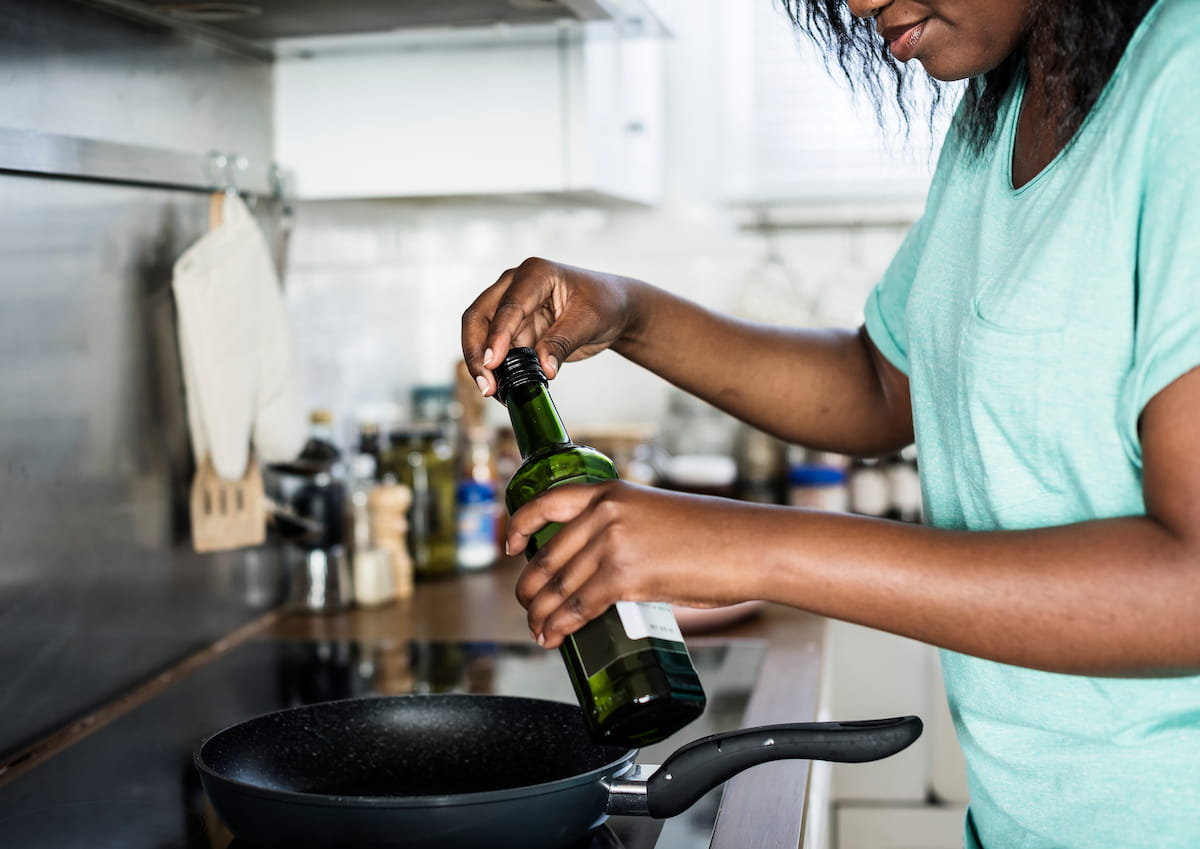
A lot of people think about olive oil when they’re adding a healthy oil to their diets. However, it may not appeal to everyone. Some may not like its taste or the monotony of the same oil in their meals. Fortunately, you have more options than olive oil. Here are four other oils you can use to mix things up in the kitchen without sacrificing your health.
Why is Olive Oil so Healthy?
Although it’s fairly calorie-rich, olive oil is considered a healthy choice due to its potential health benefits. Just a tablespoon of the oil can contain 119-120 calories, 10g of monounsaturated fat, 1g of polyunsaturated fat, and 2g of saturated fat. Additionally, the same amount contains 13 percent of the daily value (DV) for Vitamin E and seven percent of the daily value (DV) for Vitamin K.
While research on the health benefits of olive oil continues, its potential benefits have made it a staple in certain diets. Consuming olive oil daily may reduce your risk of cardiovascular disease, bone loss, chronic inflammation, cognitive decline, certain cancers, and osteoarthritis.
Featured on BlackDoctor
With that said, though, olive oil isn’t the only oil with these potential benefits or this nutritional profile. There are currently four other oils that are worth including in your diet as well.
When compared to olive oil, avocado oil stacks up fairly well. A tablespoon of the oil has 124 calories, 10 g of monounsaturated fat, 2 g of polyunsaturated fat, and 2 g of saturated fat. Although it doesn’t contain as much vitamin E as olive oil, it does contain other antioxidants. Tyrosol and hydroxytyrosol are antioxidants that may offer some health benefits. Avocados have also been associated with heart health benefits.
As for using the oil, it generally has a high smoke point, making it suitable for high-heat cooking methods like searing and browning. Additionally, avocado oil can have a rich, nutty flavor that works well for salads and condiments.
2. Peanut Oil
Peanut oil is another great contender when you want a break from olive oil. One tablespoon of this oil packs 126 calories, 2 g of saturated fat, 8 g of monounsaturated fat, and 3 g of polyunsaturated fat. It also has a high vitamin E content, an antioxidant that may help protect your heart.
As you may expect, peanut oil has a nutty flavor and aroma. It has a high smoke point and is best suited for medium- to high-heat cooking. Peanut oil is typically used in sautés, pad Thai dishes, sauces, dressings, and marinades. For the best results, you should opt for unrefined oils, as they’re likely to retain their nutrients.
If you opt for sesame oil, a single tablespoon provides 124 calories, 6 g of monounsaturated fat, 6 g of polyunsaturated fat, and 2 g of saturated fat. While more research is needed, it’s suggested that sesame seeds may have anti-inflammatory and antioxidative properties. These benefits may come from three of its compounds: sesamin, sesamol, and sesamolin. These compounds may be associated with better heart health and a reduced risk of certain cancers.
Sesame oil is usually available in neutral and toasted forms. The latter has a rich aroma and flavor. Toasting the seeds before extracting the oil can also make the final product darker. Generally, the darker the oil, the stronger the flavor. This oil is great for medium- to high-heat cooking, such as sautéing, stir-frying, and baking. Since there are two types available, you can choose based on the taste you’d like in your meal.
4. Canola Oil
You may be surprised to find canola oil on this list, as it has developed a bad reputation over the past few years. The truth is, it’s often used in many ultra-processed foods because of its affordability and versatility. That doesn’t mean the oil itself is bad for you. In fact, 1 tablespoon of canola oil contains 124 calories, 9 g of monounsaturated fat, 4 g of polyunsaturated fat, and 1 g of saturated fat. Interestingly, it also has 16 percent of the DV for Vitamin E and eight percent of the DV for Vitamin K. The oil also contains twice as many omega-6 fatty acids as omega-3 fatty acids, which some consider an ideal ratio.
Most canola oil on the market is genetically modified for herbicide resistance and can withstand high-heat cooking methods. If you’d prefer to skip the modified version, check your local store for cold-pressed canola oil. This form is better for your health, but won’t withstand high-heat cooking because of its low smoke point.
Four Tasty Recipes to Get You Started
Please note that these recipes may contain allergens such as shrimp, dairy, peanuts, and sesame.
2 cups shredded lettuce and/or shredded green cabbage
2-4 tablespoons homemade or store-bought ranch dressing*
1 jalapeño pepper (diced or sliced thin)
8 soft corn tortillas
¼ cup fresh chopped cilantro plus extra to taste
Method:
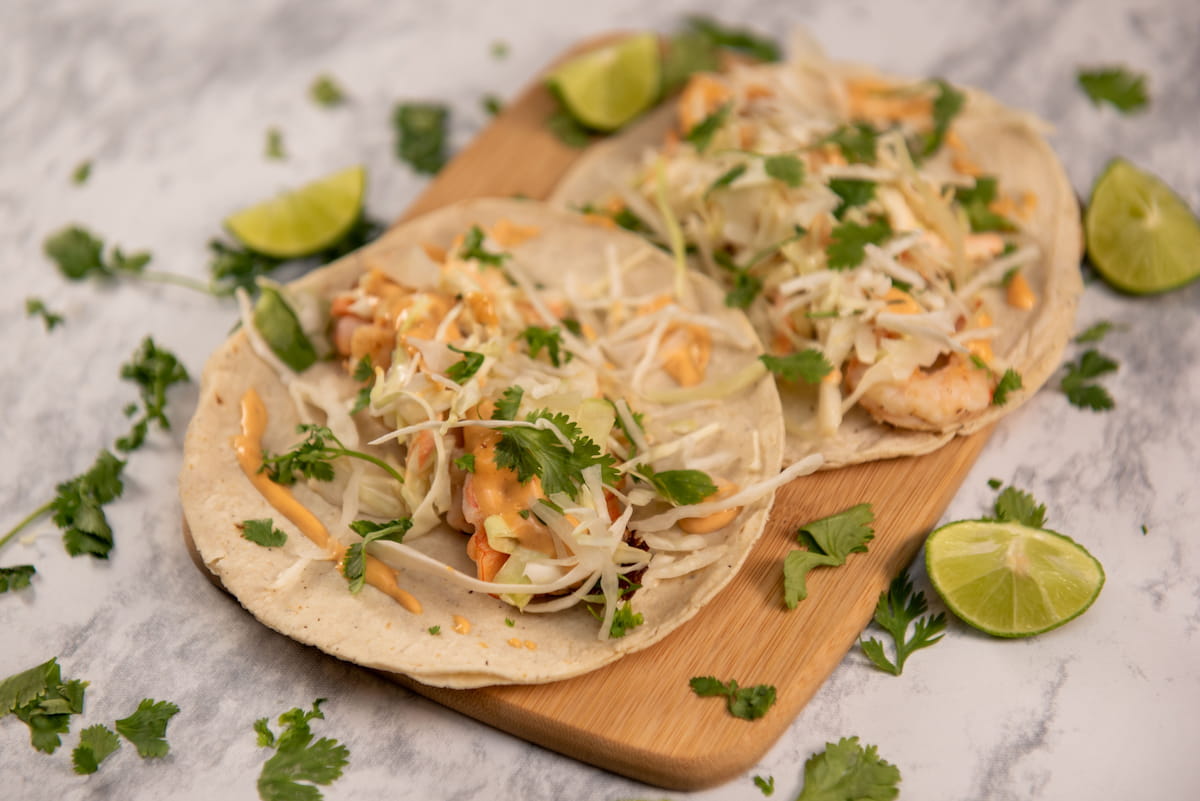
Clean and peel shrimp, defrosting if needed.
Set prepped shrimp in the fridge, covered, while you make your slaw.
To make the slaw, combine shredded lettuce, cabbage, jalapeño, and cilantro in a small bowl and top with a quality all-natural ranch dressing. Mix until lightly coated.
Pat shrimp dry and season with chili powder, paprika, garlic powder, cumin, cayenne pepper, and salt. Mix well to coat both sides.
Heat a large pan or skillet to medium-high heat with 1 tablespoon of oil and sauté your shrimp. Cook on each side for about 2 minutes until shrimp curl and become opaque. The cook time will depend on the heat setting you choose and the size of your shrimp, but regardless, they’ll be perfectly cooked in a matter of minutes. While the shrimp are still in it, deglaze the pan with fresh-squeezed lime juice and mix well.
Warm corn tortillas in a large skillet. You can use a nonstick skillet to keep things oil-free or heat a little oil in a stainless steel skillet and lightly pan-fry your tortillas until the edges are crispy.
Line your warmed corn tortillas with shrimp and top with a hearty scoop of slaw. Serve with lime wedges to add an extra burst of citrus. You can also add other ingredients you like to your tacos.
Note: Although the recipe calls for cilantro, you can easily replace it with red onions if you prefer.
2. Grilled Pork Chops With Citrus Quinoa Salad
Servings: 4
Ingredients
4 pork chops, thick cut on the bone
½ cup Roasted Garlic & Soy Marinade & Stir Fry Sauce
2 tablespoons sake
Dressing
1 tablespoon Naturally Brewed Soy Sauce
Juice and zest of 1 lime
2 tablespoons peanut oil
½ teaspoon raw sugar
Pepper to taste
Citrus Quinoa Salad
1 ½ cups quinoa, cooked
1 orange, peeled and segmented
¼ cup dried cranberries
¼ cup fresh coriander, roughly chopped
2 tablespoons fresh mint, roughly chopped
1 large spring onion, sliced
Method:
Place pork chops in a large Ziploc bag. Add the sauce and sake. Seal and leave to marinade in the refrigerator for at least 30 minutes.
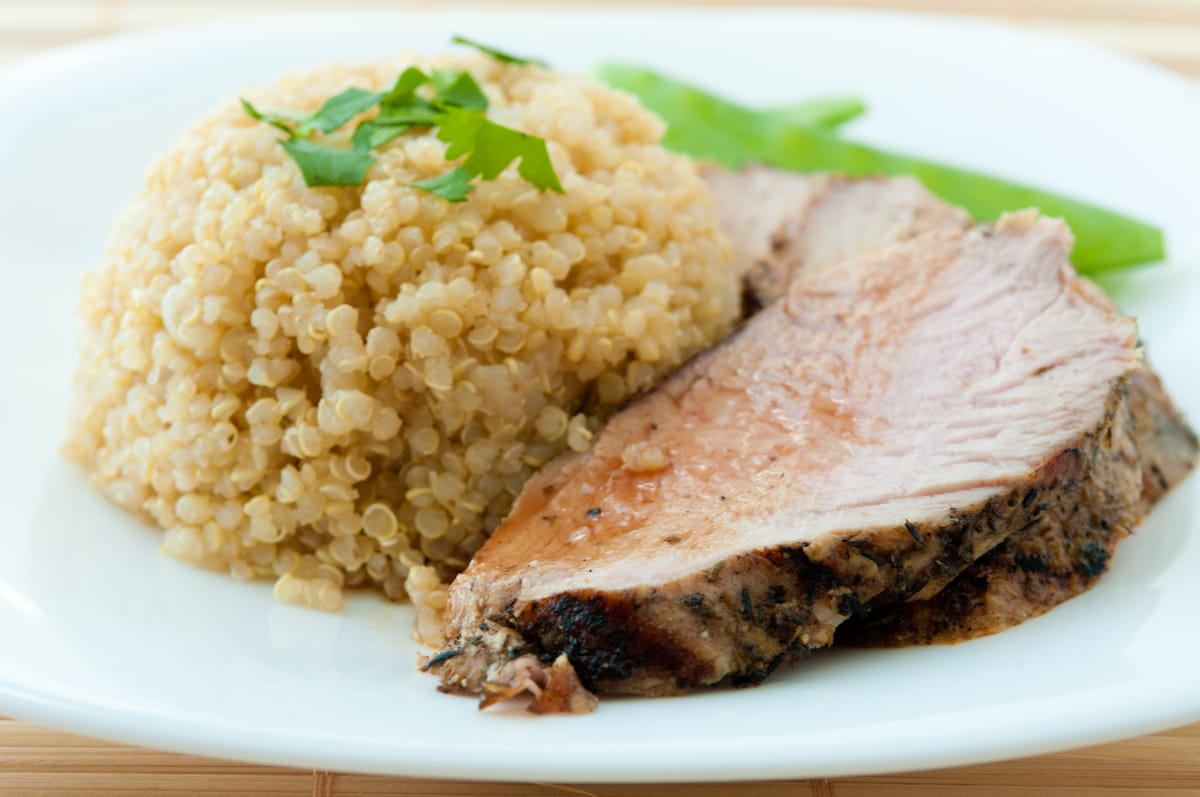
Heat a grill plate on medium-low heat. Remove the chops from the bag and discard the excess marinade. Place chops on grill and cook on each side for 6-7 minutes or until cooked through.
To make the dressing, place all of the ingredients into a small bowl and whisk to combine. Set aside until ready to serve.
Prepare the salad by placing the ingredients into a large bowl and tossing gently to mix well.
To serve, spoon salad into a serving bowl and drizzle with the dressing.
Place the chops on a separate platter and sprinkle with fresh greens to garnish.
1 pound skinless, boneless chicken breast meat – cubed
Sauce:
1 cup chicken broth
1 cup white sugar
2 tablespoons distilled white vinegar
2 tablespoons dark soy sauce
2 tablespoons sesame oil
1 teaspoon chile paste
1 clove garlic, minced
¼ cup cornstarch
½ cup water
Other:
1 quart olive oil for frying
2 tablespoons toasted sesame seeds
Method:
For the battered chicken, sift flour, 2 tablespoons cornstarch, baking soda, and baking powder into a bowl. Pour in low-sodium soy sauce, sherry, 2 tablespoons water, vegetable oil, and a dash of sesame oil; stir until smooth. Stir in chicken until coated with the batter, then cover and refrigerate for 20 minutes.
Meanwhile, you can make the sauce. Bring chicken broth, sugar, vinegar, dark soy sauce, sesame oil, chile paste, and garlic to a boil in a saucepan over high heat. Dissolve 1/4 cup cornstarch into 1/2 cup water, and stir into the boiling sauce. Simmer until the sauce thickens and turns clear, about 2 minutes. Reduce heat to low, and keep sauce warm.
Heat olive oil in a deep fryer or large saucepan to 375 degrees F (190 degrees C).
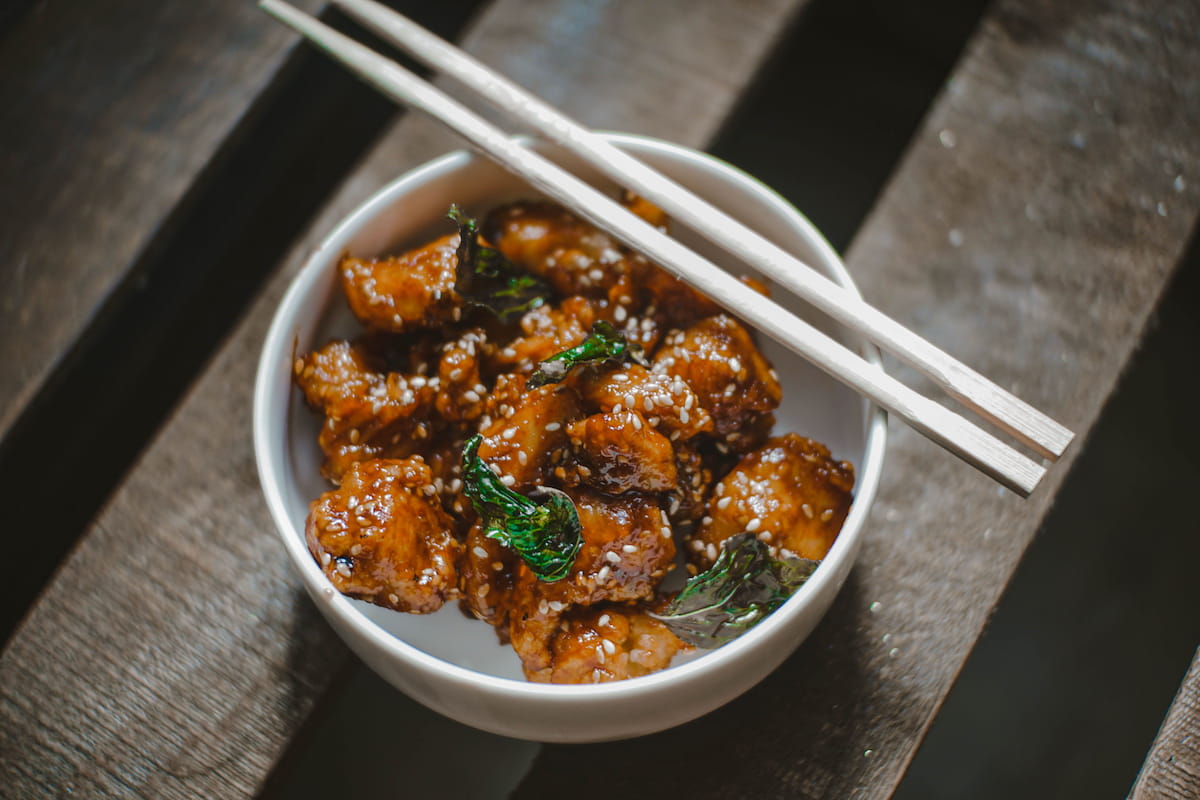
Carefully drop in battered chicken pieces, a few at a time, and fry until they turn golden brown and float to the top of the oil, 3 to 4 minutes. Drain on a paper towel-lined plate.
To serve, place fried chicken pieces onto a serving platter and pour the hot sauce overtop. Sprinkle with toasted sesame seeds to garnish.
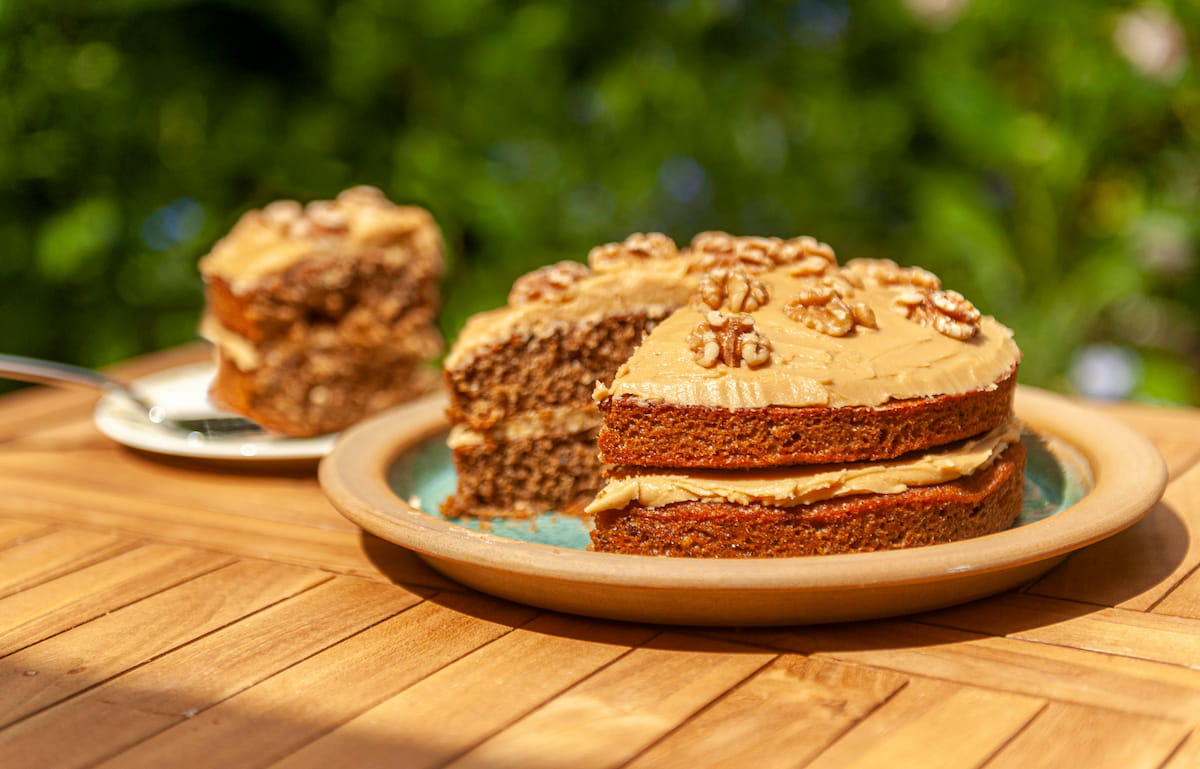
4. Upside Down Banana and Walnut Cake
Servings: 8
Ingredients
1 lb sugar
1 lb cream
1 ¼ cups walnuts, chopped
1 teaspoon salt
For the cake
1 ½ cups ripe bananas pureed (around 4)
1 ⅓ cups sugar
½ cup canola oil
2 eggs
2 ½ cups plain flour
½ teaspoon cinnamon powder
1 teaspoon baking powder
1 teaspoon bicarbonate of soda
⅔ teaspoon salt
1 lemon, juiced
Method:
For the caramel, use a slow cooker for the best results.
Use the MENU button to select LOW HEAT. Select POWER/START to commence pre-heating the slow cooker. Add the sugar and cook for 15 minutes, or until it turns to caramel, stirring several times gently to ensure it melts evenly.
Heat cream in a saucepan over medium-high heat until just below boiling. Slowly pour the heated cream into the caramel sugar pot. Heat the caramel mixture to just below boiling, then add the chopped walnuts and the salt
For the cake, mix the pureed banana and sugar with the oil and the eggs
Sift in the flour, bicarbonate of soda, baking powder, and salt. Then lightly fold through the banana mixture. Add the lemon juice and lightly mix
Pour the cake batter on top of your caramel walnut mix.
Select the CANCEL button on the slow cooker. Use the MENU button to select HIGH SLOW COOK. Set the timer to 45 minutes, then press POWER/START to start cooking. The cake is cooked when a skewer inserted into the center comes out clean.
After 10 minutes, remove the cake from the slow cooker bowl by upturning it onto a large tray. Take care when doing this, as the caramel at the base will be very hot. Serve warm or cold.
Olive oil is unquestionably good for you, but it’s not alone. You can use the four other oils listed here in a variety of meals that are sure to fit your diet. Of course, if you have any concerns about making changes to your diet, it’s always a good idea to talk to your doctor first.
BlackDoctor is the world’s largest and most comprehensive online health resource specifically for the Black community. BlackDoctor understands that the uniqueness of Black culture - our heritage and our traditions - plays a role in our health. BlackDoctor gives you access to innovative new approaches to the health information you need in everyday language so you can break through the disparities, gain control and live your life to its fullest.
✦ AI Search Disclaimer This AI-powered search tool helps you find relevant health articles from the BlackDoctor.org archive. Please keep the following in mind:
✦ For Informational Purposes Only The information provided through this AI search is for general educational and informational purposes only. It is not intended as a substitute for professional medical advice, diagnosis, or treatment.
✦ Always Consult a Healthcare Provider Never disregard professional medical advice or delay seeking it because of something you have read through this search tool. If you have a medical emergency, call your doctor or 911 immediately.
✦ AI Limitations This search tool uses artificial intelligence to help match your queries with articles in our archive. While we strive for accuracy, AI-generated results may occasionally be incomplete, outdated, or not fully relevant to your specific situation.
✦ No Doctor-Patient Relationship Using this search tool does not create a doctor-patient relationship between you and BlackDoctor.org or any healthcare provider.
Explore over 35,000 articles and videos across black health, wellness, lifestyle and culture