Play Video
Poetry of Healing: A truth about marriage
What does marriage really require?

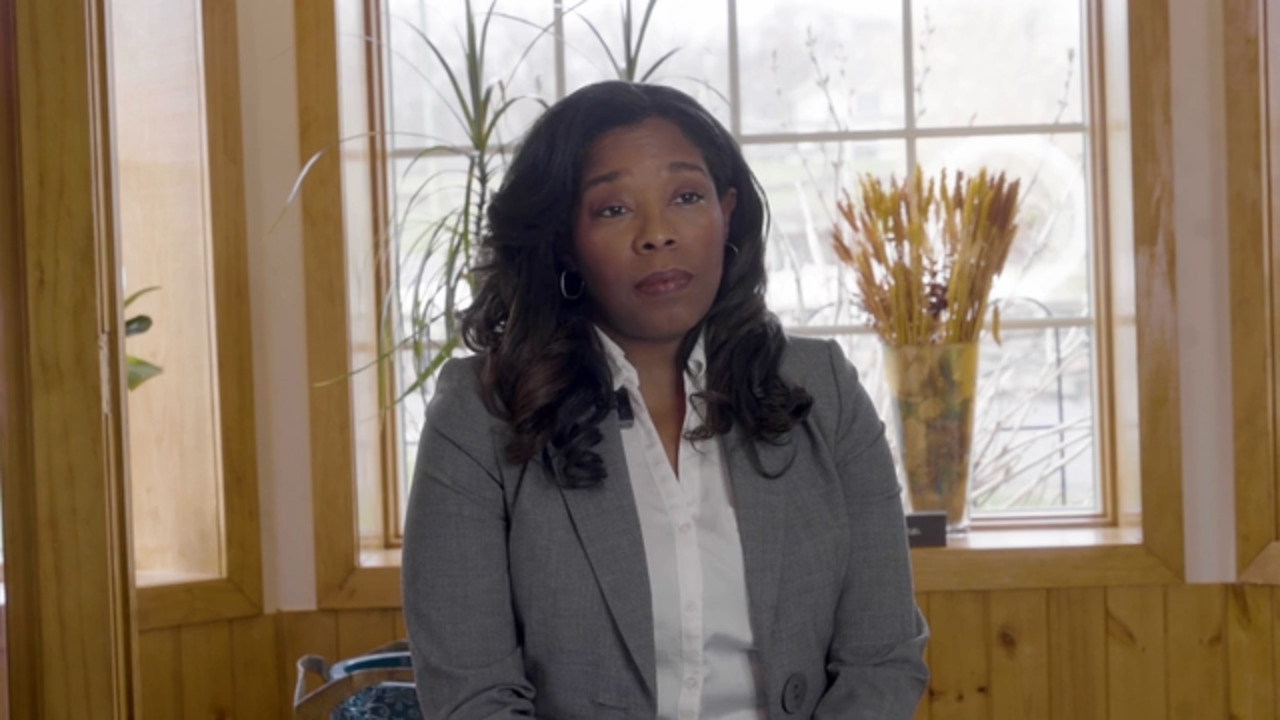
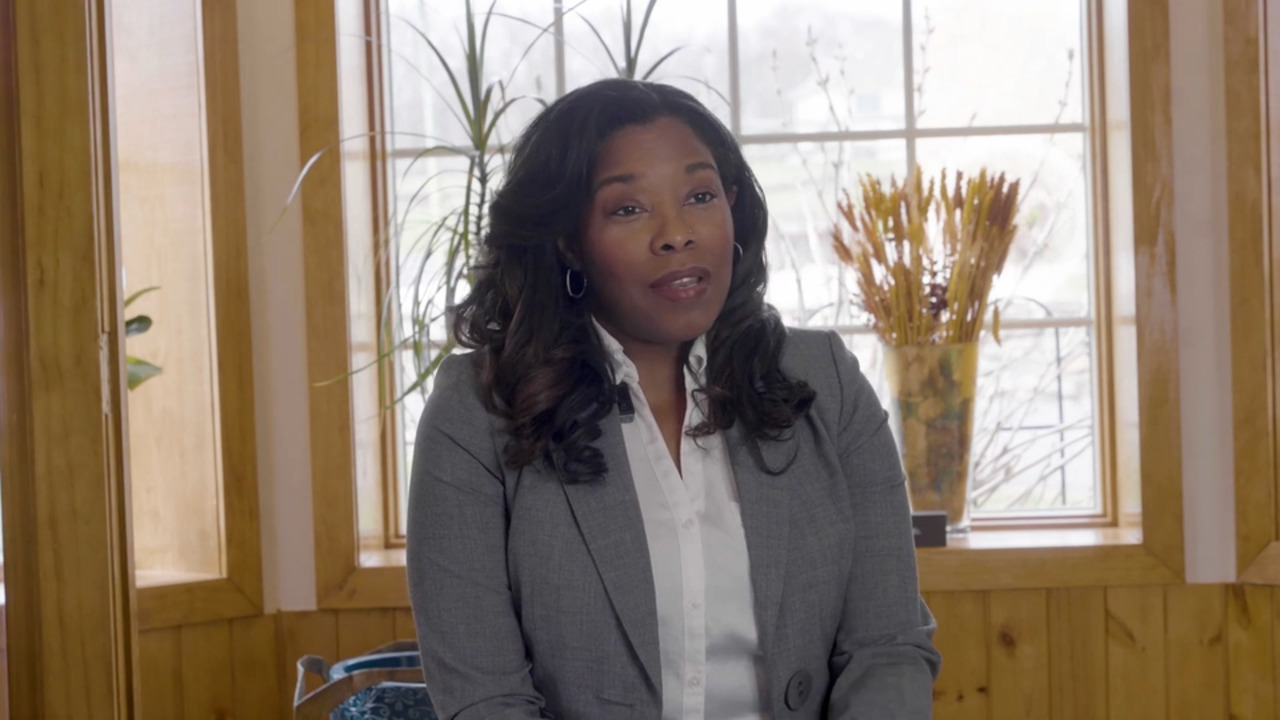
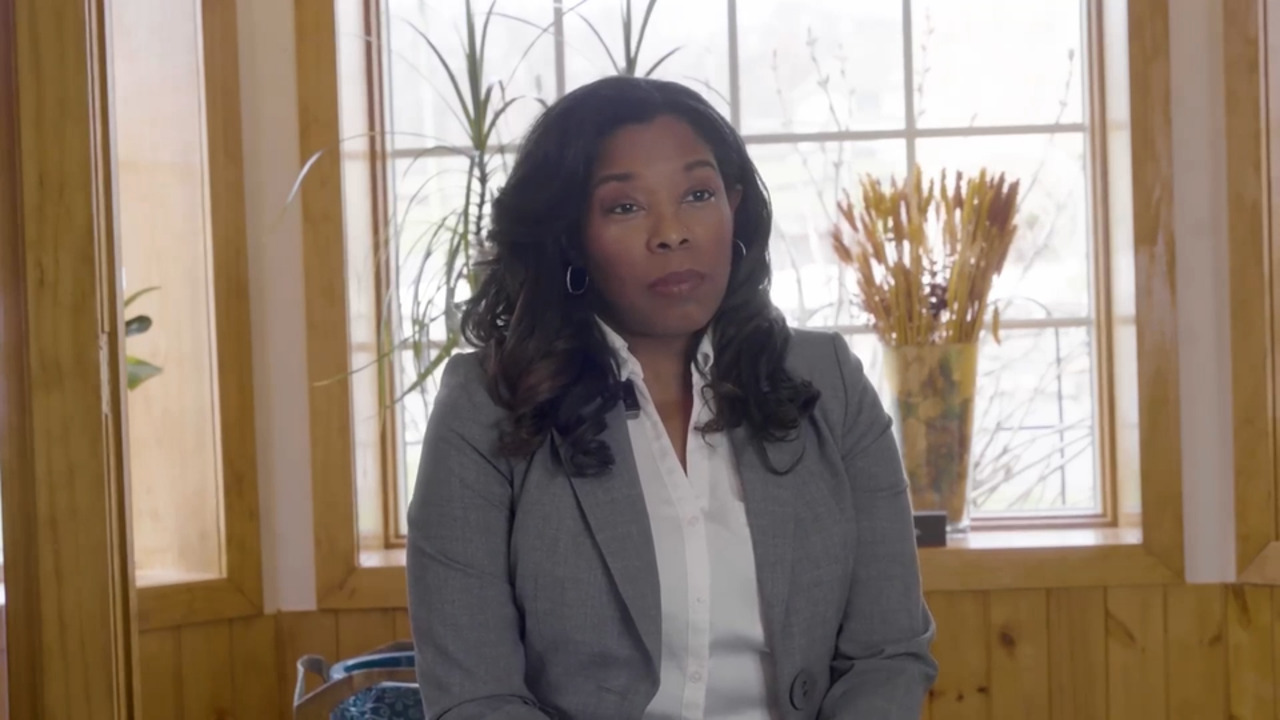
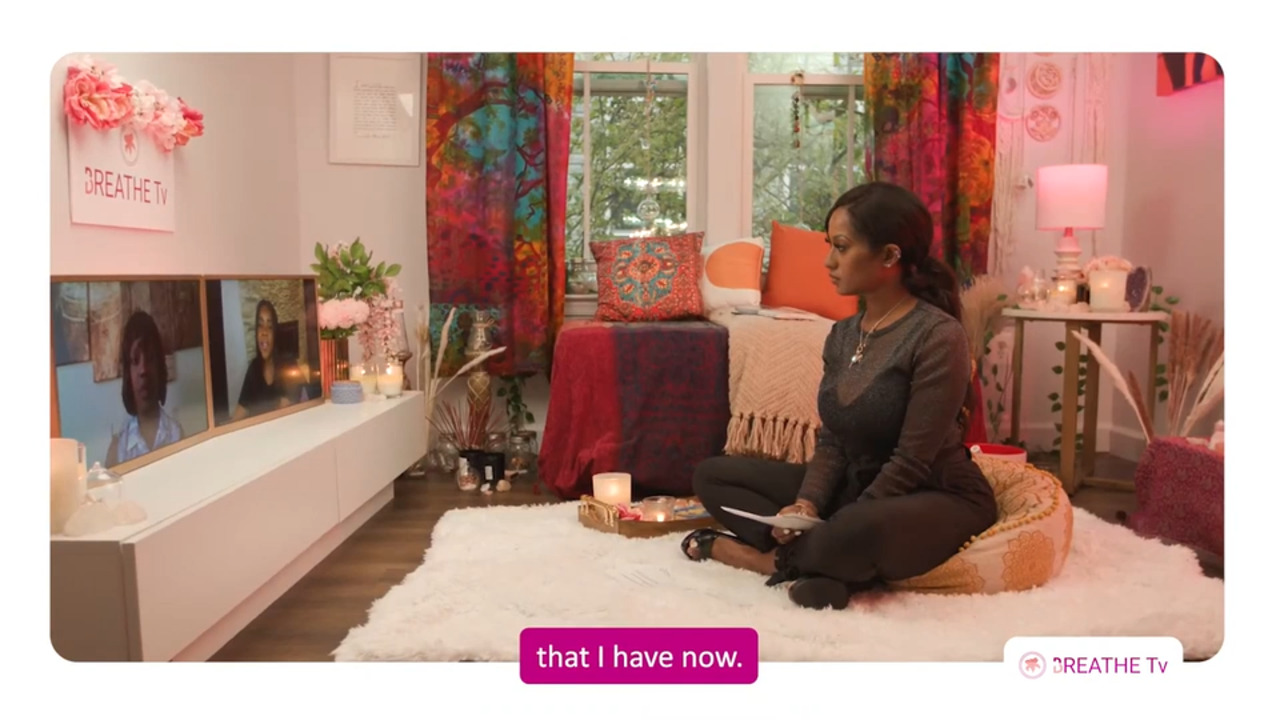
Hi, my name is Shenika Boyce, and I am a pediatrician and, the Assistant Dean of Medical Education here at Charles R. Drew University of Medicine and Science. So, as a pediatrician, one of the most, common objections, especially right now, is autism. parents are very nervous about what they're hearing in terms of vaccines being a major cause of these developmental, language, behavioral, social issues that don't come on until they're about two years old. And so the thought is that, well, in that- in the time period between birth to two, the only thing that they may have been exposed to is the vaccines, and so there's that, that causal link to it.
And so most often we have to, try to educate on, on, on that. I mean, other less common causes, and objections to vaccines is just, you know, more of the, local reactions to it, not being aware of what of the purpose of the vaccines, especially if they haven't been seeing a lot of the, you know, the, viral or bacterial, conditions that the vaccines help prevent. The thought is that they don't- they no longer exist, and so they, you know, they don't like- they don't understand the importance of still giving that protection to their children. how I build trust with my patient is by, by providing education.
I feel like, I, I don't-- I try to be as non- non-judgmental as possible so that they feel comfortable to discuss questions that they may not have felt, able to discuss with, with other providers before. And also, you know, through knowing exactly like, well, what are their major concerns?
What have they heard from friends, from family? What have they experienced? And being able to show from my experience as a physician, what I've seen, what other colleagues have seen, how, you know, there may be, you know, some misunderstandings. And so by being able to provide that education to them, then there, then there's better trust because they at least they feel like I'm listening to them. I think that's a key part, if you listen to the patient, and then they, they will respond back to you. but also that, that they know that you really, want to help them, want to help their family, and that you're just providing more education and awareness.
in terms of strategies to help with, you know, eliminating some of the myths out there, in terms of vaccines, it is, letting the patients know that the vaccines have been around for a long time. Letting them know that, you know, we've seen low numbers of, you know, the, again, viral illnesses like measles, for example, like polio, for example, that we're now seeing a rise of. And the fact that, well, there, you know, one factor is that, well, there's less so, you know, some patients who, who are parents, who are no longer vaccinating their children. So again, these viruses are still out there.
They haven't been eliminated completely. We just don't see the numbers because of the vaccines. They're helping to keep those numbers low. And so, you know, it's, it's in helping them to see that, that, you know, there is that relationship between, "Hey, now that we're no longer vaccinating as much, we're seeing these, these illnesses coming back." And so, you know, like, you know, we definitely need to, you know, make sure that they understand that and that they see that.
I mean, there's a lot of additional knowledge out there, in terms of what they see on social media. And so you are having to, provide that, alternative for them. But hopefully, again, through meeting them where they are, hearing them, it kind of helps for them to say, "Okay, well, you do want the best for their child." In terms of cultural norms, I mean, I think, we definitely have to understand that, you know, in, in families where there is, there is still a bias and also a fear of needles is a big one. And so it's one, it's helping the parents, you know, as much as I'm, I'm a pediatrician, but, I'm also very much dealing with our- the parents, helping them understand, how important it is.
there are techniques now being used. I mean, there's, different methods at some clinics that they can, you know, use to kind of help reduce that fear of needles. and so kind of utilizing those techniques as well. But it's, you're- you definitely have to Again, it comes down to education. A, a big part of what I do is education, education, education. And so, you know, again, you kind of try to connect with the patient, even if it means having to reflect on your own personal background, things that may happen to your family and say, "Okay, you know what, like this is, you know, I, I can understand because I may relate on that, on that level with the patient, but this is also what I've seen." And how experiences, you know, again, seeing a patient who has, you know, again, not been vaccinated against things like meningitis, who end up getting meningitis, and unfortunately, you kind of see the, the effects.
And I definitely have seen that in residency, still, you know, in practice. And so it's, you know, you, you wanna be very careful in how you relay that message to the pa- the parents, so you don't scare them unnecessarily, but at the same time, help them to see the importance of it. And yeah, I mean, as much as you can through experiences, um- trying to connect with them, but knowing that, again, bias, cultural bias, but then also fear is a big part, and so you just have to understand that and maybe educate, for example, myself on that, to know, okay, well, how best can I then relate to that patient and the parents to be able to kind of help them to see the importance of, of this?
So, I did have a family, with, with a nine-year-old. A mom who came in with her nine-year-old daughter, and they were, at the point of getting HPV vaccine. So the HPV vaccine, human papillomavirus vaccine, this is a, a vaccine that we give now to preteens, and the goal is The reason why we do it at that age is because it's before they become sexually active. Well, you know, most parents are not, They don't want to see their child as being sexually active or even, wanting to think about it to where they, are starting to, to try to prevent any of those illnesses. So, you know, it, it did, you know, when I kind of brought the, up the topic to mom and said that, "Well, she's at the age now where she can get this vaccine," there was a lot of questions, you know, about, "Well, why does she need it?
Isn't this too young for the vaccine?" you know, "I don't wanna, you know, create any issues where it may make her more promiscuous all of a sudden," right?
So there's a, there's a lot of, again, misinformation, a lot of personal biases, a lot of personal concerns. and so at that point, it was more education. "Well, this is why we're giving it. There's no assumption that your daughter is sexually active right now. you know, but we do wanna make sure that when it comes to the point where she will be, that she is protected. And, you know, the vi- the virus itself can cause, you know, various illnesses," and then going into more of what those are, including cervical cancer, which, you know, no parent wants their child to, to, to, to, experience.
So, and even, you know, the vaginal warts. So it was through discussing why, allowing the- allowing mom to see that it was in no way, insinuating anything about sexual activity, but just prevention and making sure that, you know, her daughter from now until when she's really twenty-six, 'cause the vaccine does, you know, goes up to that age group, that she, you know, will be protected. But beyond that, but, you know, there is that time period to give the vaccine. Then, you know, we- I was able to kind of She was able to think about it. She just thought about it for, you know, a few minutes and felt comfortable knowing the information.
So it's through education, knowing the information, that she was then like, "Okay, you know, I think it's fine for her to, for her to get it." So that was, I mean, I think a very, you know, great way of s- of seeing how education is, you know, an, you know, is, you know, a great tool is very effective.
But, a lot of it is just lack of knowledge and just being scared of the unknown, and so being able to, help the, you know, mom see that this is what we give to all kids now. It's not just, you know, the There's, again, not for any- not for high-risk kids, it's for everyone.
By subscribing, you consent to receive emails from BlackDoctor.com. You may unsubscribe at any time. Privacy Policy & Terms of Service.