Play Video
Poetry of Healing: A truth about marriage
What does marriage really require?

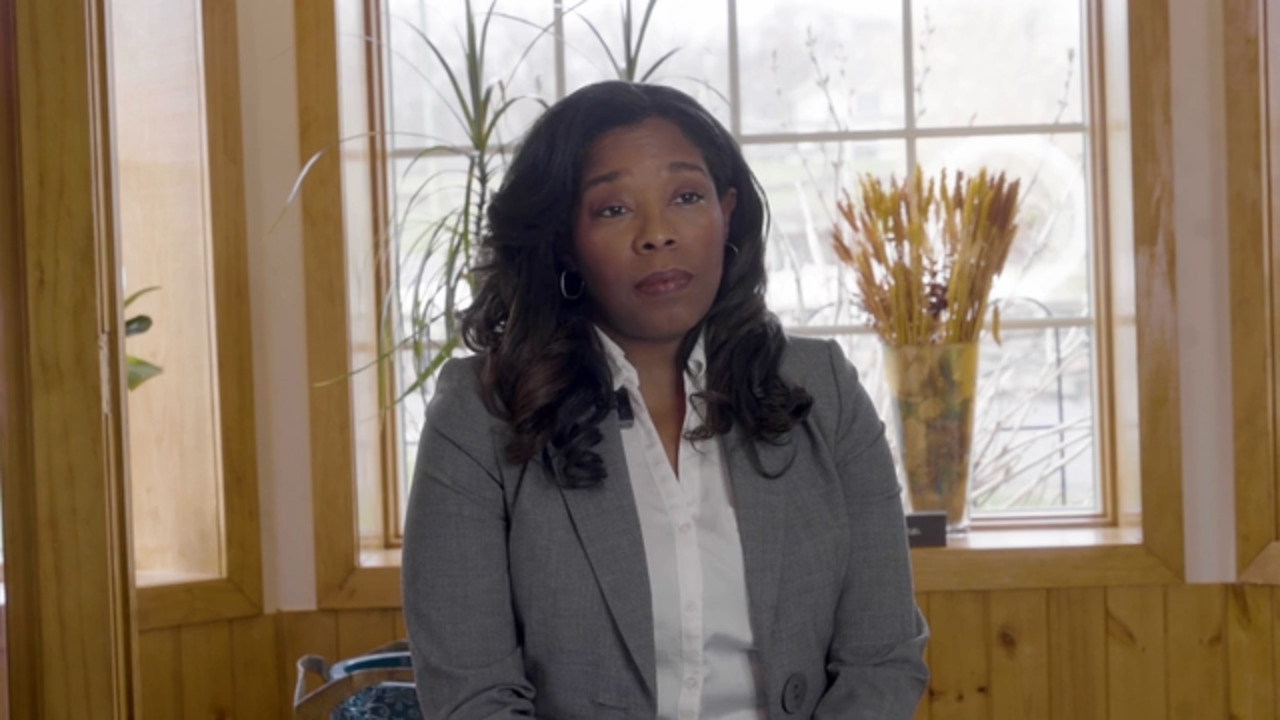
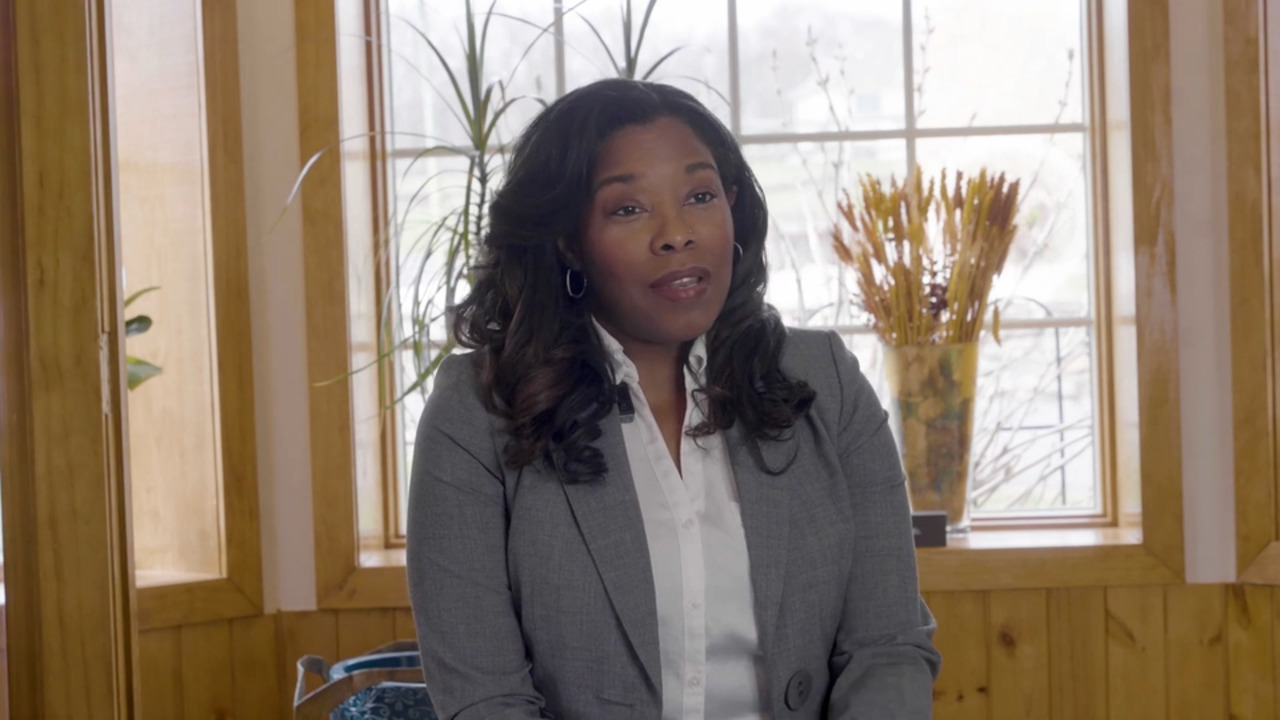
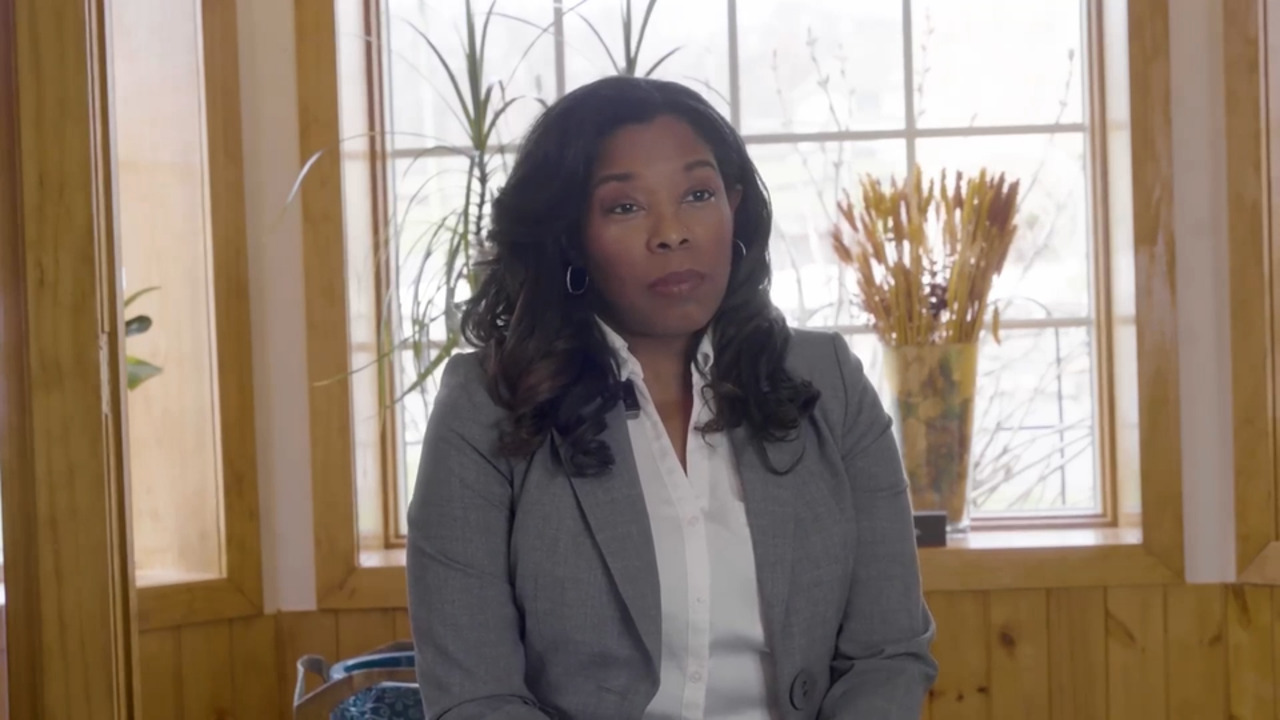
A Day in the Life with NMO === [00:00:00] Speaker: My name is Marian Jones. I am professionally a vice president of workforce development in the solar energy industry space, and I also live with a rare autoimmune condition, um, known as NMO or Neuromyelitis. Optica. I was diagnosed with NMO, uh, during the. Height of COVID in Boston, Massachusetts, November of 2020, and I have been living with NMO for the past almost five years. [00:00:30] Speaker: It started out as a headache, um, that I tried to self-medicate for several weeks, and then was encouraged by a friend to seek medical attention after I was not able to find any relief with over the counter meds.
Initially they asked a series of questions to find out if I had a history of migraines or if that was something that was prevalent in my family, which I [00:01:00] responded to both questions as no. [00:01:02] Speaker: And so they dismissed me with, uh, sort of a tension headache, and they provided me with medication to assist with muscle spasms. I would say within about 24 hours. I started to notice sort of weakness on the right side of my body, which I just thought it was a result of the muscle relaxers. A friend of mine, again, the same friend said, I don't think this is something that happens as a result of muscle relaxers.
[00:01:28] Speaker: I think we need to take you back into to the er. And so I went and within about a 48 hour, uh, timeframe, I was admitted. And during that second appointment they took. An MRI and the head neurologist that was on duty for that evening diagnosed me with NMO.
It was devastating. I had never heard of NMOA day in my life. [00:01:54] Speaker: I didn't know anyone who was living with it. I was living in Boston. I was in the [00:02:00] process of relocating. I had just accepted another job with a company in Maryland at the time, and so I just had all these thoughts in my head. Of what does this mean for me? You know, how do I move forward from here? You know, for me, at the time I was trying to prevent myself from going down the Google rabbit hole, which at some point I, I did end up doing that. [00:02:23] Speaker: And one of the things that stood out to me was when you're diagnosed with a disease, I think the human side of us wants to know what does this mean for longevity life expectancy?
So I was diagnosed in 2020 and in. 2019 was the very first FDA approved treatment option for NMO. And so if you, you know, if you're thinking about thinking about it from that aspect, you know, it's quite alarming. [00:02:52] Speaker: However, I was fortunate that the year prior to diagnosis that we did have our first FDA treatment [00:03:00] and now, you know, living with it for almost five years, we have at least three or four FDA approved treatment. The early stages for me, living with NMO is very unique because I relapsed so soon within my first 60 days, and to relapse with NMO can be extremely severe for, for the body, mentally, physically, emotionally, I relapse and as a result of that.
[00:03:26] Speaker: Uh, there were lesions on my spinal cord, which is common with NMO.
There could be lesions on brainstem, lesions on the optic nerve. So I had several lesions on my spinal cord. As a result of that, I was partially paralyzed. So it has been, uh, a journey. You know, it, there are highs and lows to NMOI on most days, don't look like what I'm, what I'm living with and living through. [00:03:54] Speaker: Um. But every day I feel the effects of, and the impact of [00:04:00] NMO. Even as I'm interviewing with you, I am having the worst neurological nerve pain neuropathy, and that was, um, just a result of the relapse. You know what's interesting about relapsing is no guarantee that your nerves or any of that will go back to 100%.
[00:04:18] Speaker: And so there's usually some damage that you're living with as a result of the relapse, whether it's. Uh, visible or not partial paralysis was, um, temporary for me, fortunately, but I do live with the effects of the damage from the relapse, um, every day of my life. And this is not the case for every person that lives with NMO, but I work full-time, so I'm a full-time vice president by the title alone. [00:04:44] Speaker: I, I have my work cut out for me. So I live with fatigue as a result of NMO, and so I also live with. Uh, sleep insomnia. I experienced that.
So it's, you know, it's sort of, you know, the worst of the worst, you know, you know, I have to [00:05:00] just talk myself through, you know, this is my life. I have to find a way to push through and I have to keep going. [00:05:10] Speaker: I don't have any other option.
I have to work full-time to make sure that I receive full-time benefits to continue to receive the infusion that. It saved my life. I wasn't expecting to go into the hospital to be diagnosed and for the neurologist to say, when I was said to him, do I need to reach out to my employer and tell them I need to be off for a few days? [00:05:32] Speaker: And he said, oh, you're gonna be here for a while. And you know, I didn't know that that meant being admitted into the ICU staying for a few weeks, going through this process of having my blood filtered, uh, similar to what, uh, dialysis patients have to endure.
And, and I did know that as a result of the relapse. [00:05:50] Speaker: SI was going to be out unable to work for a year, and so fortunately I was employed, [00:06:00] um, several years with the company that I was working with at the time, you know, so I was eligible for short and long-term disability. Had that not been the case, I, I can't even imagine, um, the journey that I would have had to go on. [00:06:15] Speaker: I think it was. Just [00:06:20] Speaker: very sobering to go from being, um, independent to just having like the, the wind knocked out of you. Um, by the grace of God, I had that friend in my life because otherwise.
[00:06:45] Speaker: I am not sure how I would've made it. [00:06:54] Speaker: You know, it, it numbs you in a sense because you think I've been healthy [00:07:00] my entire life, and then now I am in an ICU room and there, there, um, saying that there are some things that could happen in the process of you being.
In the ICU as a result of this disease that you would want someone to make a decision on your behalf. [00:07:19] Speaker: And I think that was, um, that was a moment where it hit me. Wow. I, my life has really changed the small victories. They happened, um, you know, sooner than I had anticipated. I remember being in the rehabilitation facility and it was. Around maybe two or 3:00 AM and I remember, you know, like sitting up in my bed and, and you know, getting out of the bed to head to the, to, to the bathroom. [00:07:56] Speaker: And I almost stopped in my tracks. No, I [00:08:00] actually did stop in my tracks when I realized I was walking unassisted to the bathroom.
And I think I, I hadn't thought about it because I just popped up, you know, middle of the night you have to use the bathroom. And that was the first time that I wasn't in my wheelchair, didn't have my walker in front of me, and I was, to be able to just make those steps, um, was very, you know, that was a, a small win for me. [00:08:27] Speaker: Another win was, I wanna say it was maybe late summer of 2021. By the end of that summer, I. Do remember driving again for the first time. And um, and that was exciting. You know, I felt like the teenager who had just received their, you know, their license at what age?
16, you know, I was outside. I was excited. [00:08:53] Speaker: So yeah. So that, that was a win for me. And when I. You know, just went through that process of, I [00:09:00] think for me, my mindset was on not just how do I learn how to walk again, but how do I learn how to run again?
Because prior to being diagnosed in 2020, um, in 2019, I had just started running. I had gotten into running and so I was running five Ks here and there, and that was therapy. [00:09:17] Speaker: And um, you know, I was starting to enjoy the process of collecting all of these. Medals from running five Ks all across New England. And so my, my journey was, you know, how do I get to a place where I can run again? And it would start off, you know, Hey, let's go outside and just try and run for 30 seconds, you know, and then let's try to get a minute in. [00:09:41] Speaker: And then a minute was like, wow, I just ran for a full minute, you know?
And it was. It wasn't the most polished, but over time, you know, I, I continue to improve. I got better. And so here we are now, um, four years after being diagnosed almost five years and. [00:10:00] I've ran four marathons since being diagnosed. So, you know, I would say that's a win when I show up at the starting line or the finish line, you know, it's just, I'm really doing it to raise awareness. [00:10:15] Speaker: I'm doing it to challenge myself in a new way. I'm doing it to encourage people who are in the rare disease community to say, you know, there, there are gonna be some tough days ahead of you, but you're resilient.
You know, you are built to, to accomplish even more than you had ever imagined prior to this diagnosis. [00:10:35] Speaker: And you're gonna get through all of those starting lines and finish finishing lines of the most, some of the most challenging things you, you think you'd ever have to face four months after being diagnosed.
Um, we had a neur, a neurologist that joined our, our staff, um, at the hospital where I was being treated. [00:10:55] Speaker: And she was an NMO specialist, and she just [00:11:00] encouraged me to seek out community in the form of a foundation. And, um, initially I was hesitant because, to, to become a part of the foundation because I, I didn't want to just hear too much about NMO that would create, you know, sort of anxiety for me or cause me to, you know, panic about what the future. [00:11:24] Speaker: You know what the future of living with NMO could look like. But my neurologist said to me, you know, actually I am recommending that you join for quite the opposite reason.
And I said, what is that? She said, I think you might be an encourager for others who are in the NMO community based on your story, how you're doing now you're running. [00:11:48] Speaker: And so joining a community. It's one of the best things I could have done because I was around people who spoke my same language. You know, I felt like we all spoke this foreign [00:12:00] language that we could all understand and, you know, we would talk about, Hey, I am experiencing neuropathy or nerve pain and, and you know, everybody would chime in and say, so am I, and this, these are some of the things that help me with that.
[00:12:13] Speaker: And. You know, you realize that you really aren't living this disease alone. You don't have to live it in a silo. Um, there there's a community of people who can support you, who can, you know, who you can lean on and vice versa.
And so that has been, you know, reassuring for me and I continue to. Try to show up for others in the NMO community in that same way, because I know the importance of having someone that has, has gone through what you're going through or being able to reach out or send a text message to someone that understands what you're living with. [00:12:51] Speaker: And, um, and it's extremely important, you know, so much so that, you know, I decided to become an ambassador for the Samira Foundation. And [00:13:00] I am also, you know, working in, uh, a number of different capacities, as you know, just a patient ambassador, advocating for rare disease community.
I've been on Capitol Hill to talk to some elected officials about policies that impact those of us that are living with rare diseases and. [00:13:15] Speaker: You know, I continue to seek out, um, outlets and, and partnerships and collaborations that could help amplify the work that we are doing, um, so that we are reminded to, you know, continue to take care of ourselves. So the advice that I would have first is what a neurologist shared with me. Before I was released for the re from the rehabilitation facility, I had a neurologist that said to me, there are a few things you wanna focus on to prevent a relapse.
[00:13:45] Speaker: Um. Your nutrition, your hydration, making sure you're getting the proper rest. You know, sleep is so important for sa rejuvenation for the body to heal itself. And you know, the, the fourth thing that they [00:14:00] mentioned was, um, stress management.
If you. Our newly diagnosed, I would just encourage, you know, people to seek community. [00:14:08] Speaker: Um, especially for those who are living with autoimmune diseases and, you know, black and brown people. We know the importance of community. There's something that just uniquely brings us together. So reaching out to that community, um, is, is extremely important. And so don't deny yourself of, of that. If you're not familiar with NMO, um, you know. [00:14:33] Speaker: It's a great opportunity to now just, you know, um, you know, seek out an opportunity to learn more about it.
I know organizations like the Samaya Foundation, they have, uh, a ton of information that that kind of just breaks down what NMO is. Um, you know, how the disease, uh, impacts the body, but also specifically for people who are out there. [00:14:57] Speaker: It may be, you know, you're reading or you're [00:15:00] hearing about or learning about some of the symptoms that present, uh, for patients who live with NMO is making sure that you're listening to your body, you know, in terms of like guiding that, that dialogue with your neurologist. Um, maybe you feel, you know that the treatment plan that you're on is not working for you.
[00:15:17] Speaker: Um, so make sure that you are tapped into organizations that can help you navigate what some of those, uh, other options are for you, and just kind of stay abreast of all the things that are impacting, um, our community as a whole.
By subscribing, you consent to receive emails from BlackDoctor.com. You may unsubscribe at any time. Privacy Policy & Terms of Service.