Play Video
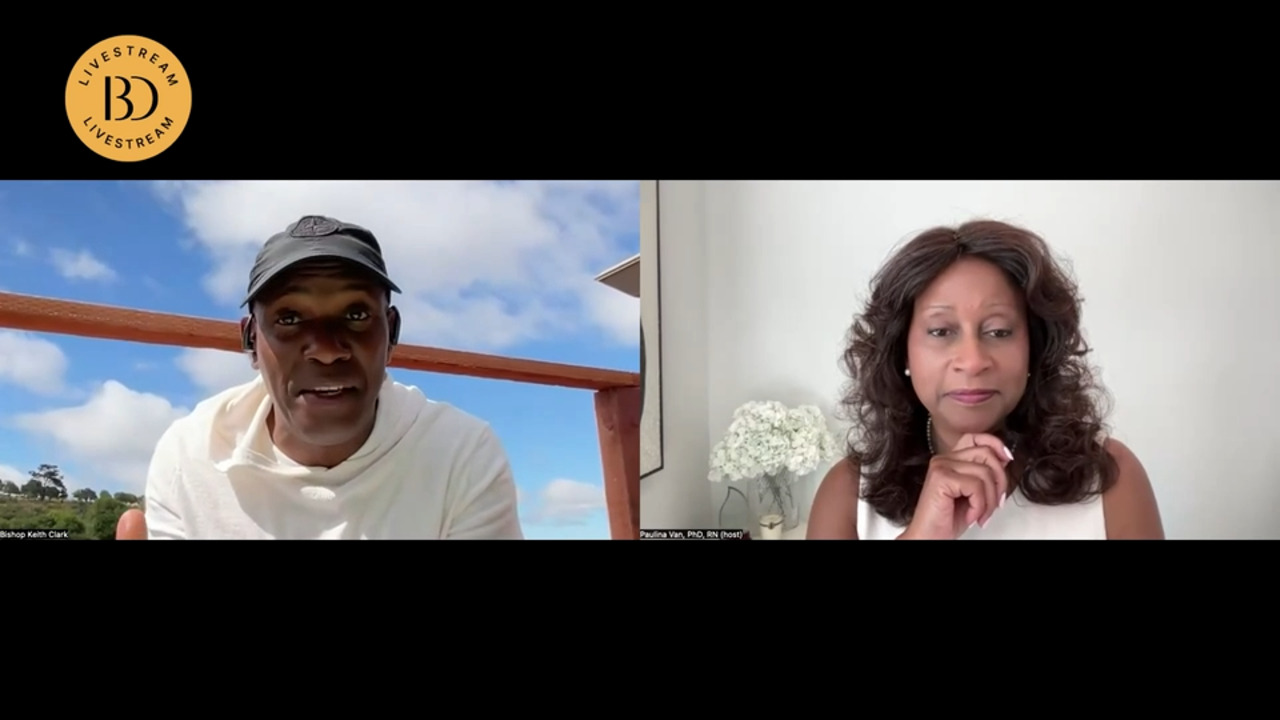
Poetry of Healing: A truth about marriage
What does marriage really require?

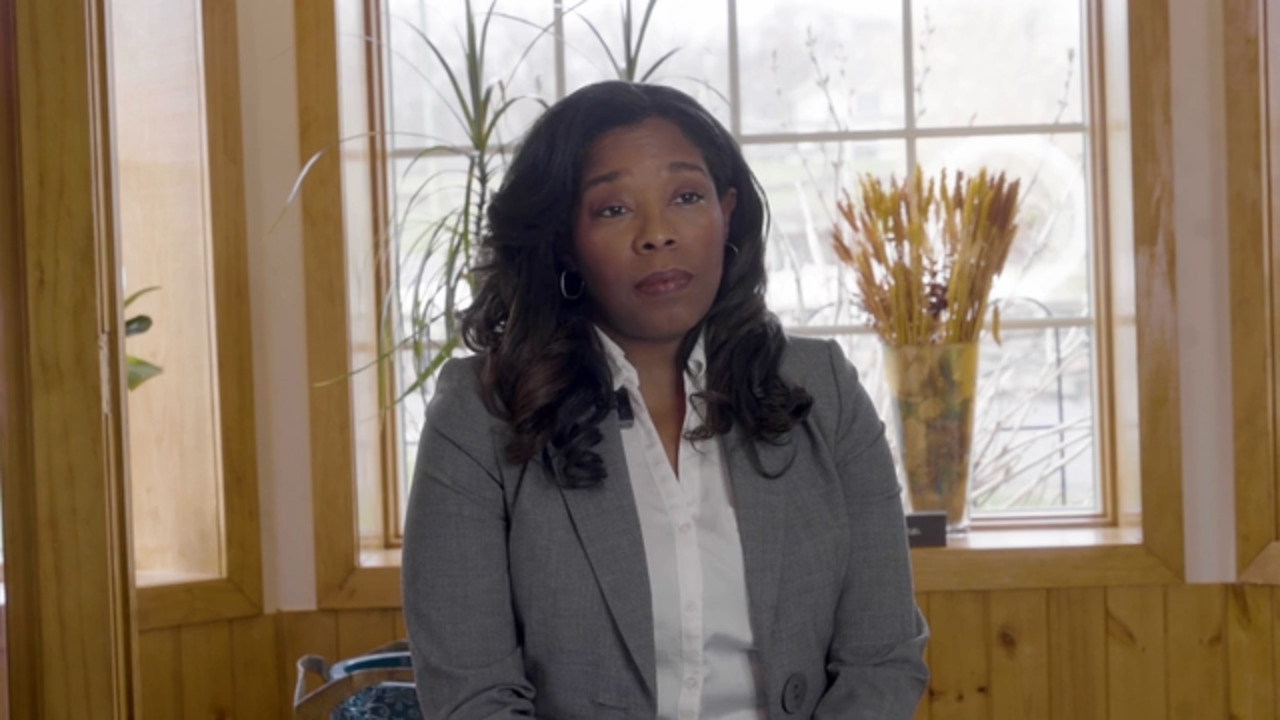
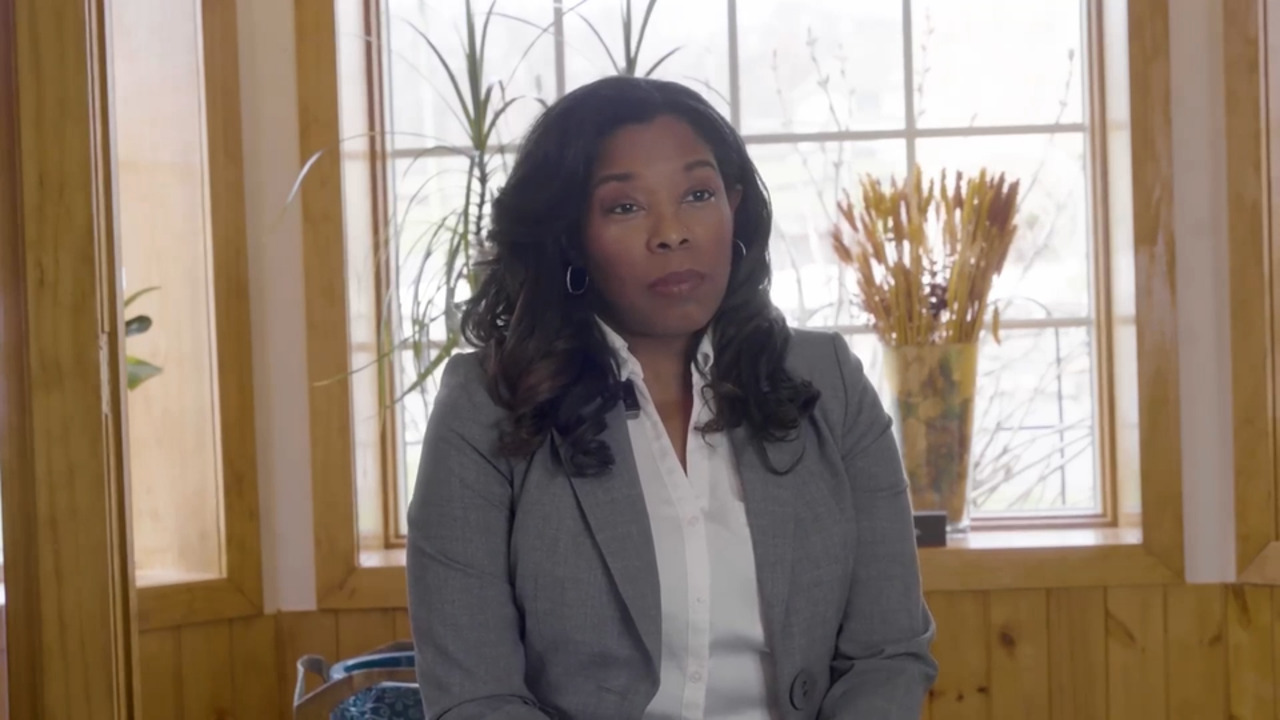
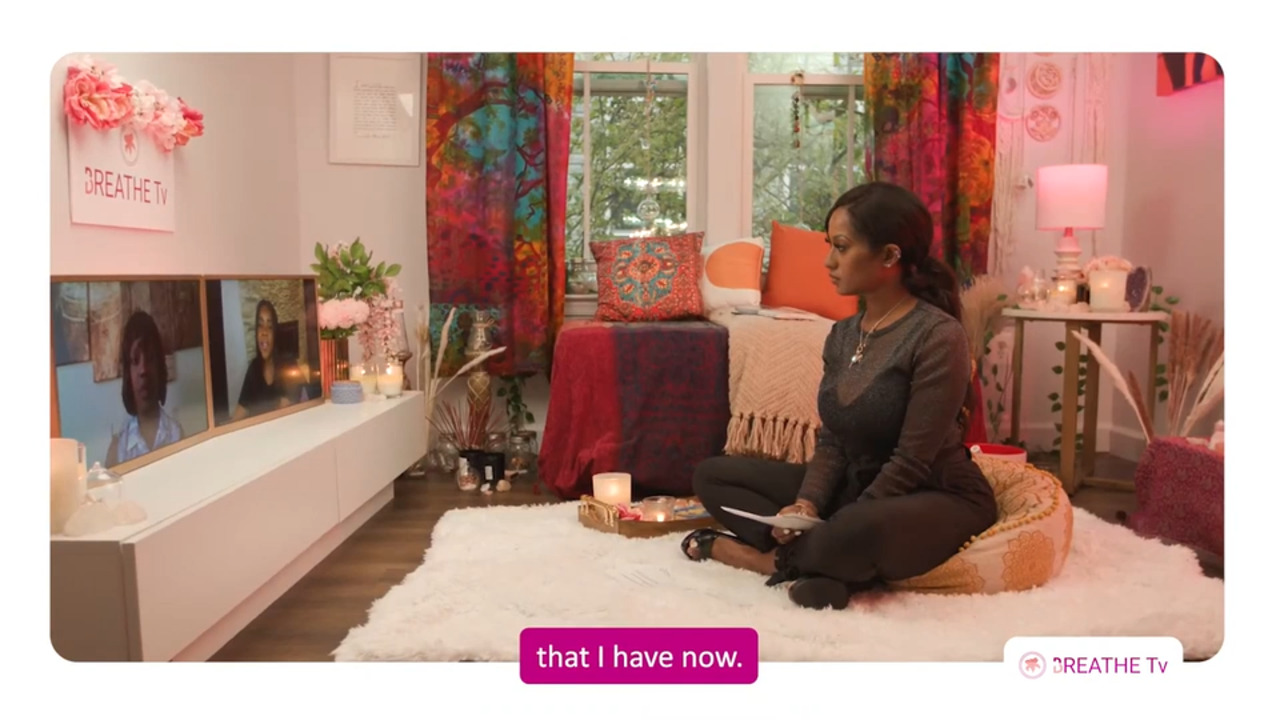
Welcome to blackdoctor.org. I'm your host, Shamika Rhymes. February is American Heart Health Month, and today we're talking about high blood pressure, which is a silent killer that can quietly damage your heart, brain, and your kidneys. And according to the CDC, nearly half of US adults have high blood pressure, and three in four adults with hypertension do not have it under control. And that leaves millions at risk for heart attack, stroke, kidney failure, and dementia. So joining me today is Dr. Yolanda Lawson. She's an OBGYN, past president of the National Medical Association, and the executive medical director at HCSC.
She's been recognized by blackdoctor.org as a top Black in healthcare. Welcome, Dr. Lawson. Welcome. Thank you for having me. I'm looking forward to our conversation today. Yes, and I love that we both wore red . So people call high blood pressure the silent killer. Can you explain what is hypertension and what it's actually doing to the body when sometimes people don't feel that anything's wrong? Certainly. So hypertension is high blood pressure. They mean the same thing. That's a common question, from, from patients often, "What is hypertension?" It is high blood pressure, and that has to do with the, the blood pressure as it flows through our, our blood vessels and how heavily it presses against the walls of those, those, those vessels.
And then so I explain often that the ceiling, right, the Your, what that top number should be, for the top it should be 130, that's your systolic blood pressure, and then the bottom number 80.
So I always explain to my patients 130 over 80, you don't wanna really exceed that, right? And if your numbers are exceeding that, then it is high blood pressure or therein hypertension. Okay. So I've always been curious about this, 'cause, you know, when most people are going to the doctor, you're fighting through traffic, and then you get to the doctor, they test, you know, the, the blood pressure cuff and say your blood pressure is elevated. Is it wise to just maybe wait a few minutes and ask them to retest? We often do that. So often, you're right, you may be fighting through traffic, getting into the office, signing in, registering, but oftentimes you're usually waiting a little bit and sitting, right- Yeah before we even go into the exam room where we take your blood pressure.
We recognize that, and it's very common. If you are, you know, rushed into a room or your blood pressure is high or elevated, then oftentimes we do give you a few quiet minutes. So even when, when the nurse or the medical assistant is checking your blood pressure, there's still another pause, right, before perhaps you actually see, your clinician, your doctor, or whomever is gonna visit with you. And so, but we often, if I go into the room and it's elevated, I'm certainly going to take it again. So there are a few things that we ask when you're taking your blood pressure that are important.
It's important to have your feet on the floor or, or grounded. We understand oftentimes people are on an exam table, so I may sit you in a chair and retake it.
Your bladder should be empty. That's another thing that we may do. We also check the cuff size, right? Mm-hmm. And making sure it's the appropriate size. So we, we often do those things, because we don't You know, when you're diagnosing people or calling it elevated, we wanna make sure we've taken care of those secondary things that could raise your blood pressure. That's good to know. I'd not known about the making sure the bladder's empty- Yes as I have a physical next week, so I'm gonna make sure. Yes. It's important. Thanks for that tip. Now, when it comes to heart health in the Black community, what do you think are the most important things that Black women need to know right now about heart health?
So the most important thing, and I'm gonna say this broadly, when you talk about all people, right? Yeah. All people should know their numbers. We- we've heard that for years and years and years, "Know your numbers." Mm-hmm. Know what your blood pressure runs. There are people who don't take their blood pressure until they come to the doctor, and there are people who may only see the doctor once a year for their annual, right? Yeah. And so I often encourage people, most grocery stores, pharmacies, there are places to take, you know, your blood pressure. Some people at their jobs, right, they can take their blood pressure.
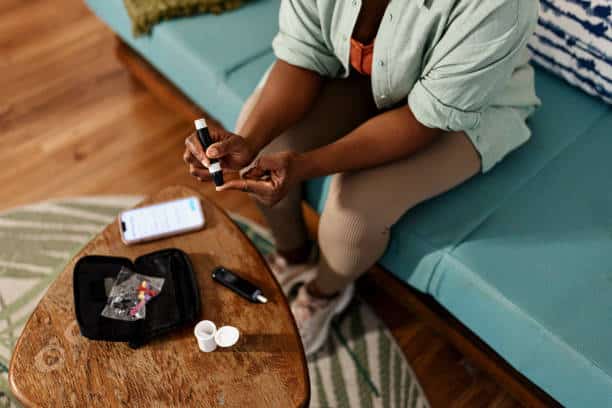
I encourage people, certainly if you have a diagnosis of high blood pressure, to have a blood pressure cuff at home. So messaging is important. Mm-hmm. The first message I wanna get out there, it is important to take your blood pressure regularly.
And when I say regularly, you know, if you have a diagnosis, yes, you may be taking it multiple times a week. Mm-hmm. If you're not sure, right, and you're out here living your best life, I'm gonna ask you at least when you have an opportunity every two or three months, or sometimes I have people say, "Oh, I know my pressure is my pressure." Mm-hmm. "My pressure is high because I feel it." I feel it. Oftentimes high blood pressure, you know, that could be stress. People have headaches often. Mm-hmm. It's useful for me as your doctor to know when you have that headache. Often pain is gonna raise your blood pressure, right?
So that can be challenging for people, but it's nice to know for us, right, when we're managing you, what is the blood pressure doing, right, in these other times, after a workout. So all of these things matter, but accessible, getting a cuff or going somewhere where you can easily check it. Okay. I love that the tips are for everyone, so thank you for that. Everyone. Yeah, so from what you're seeing, do you think things are getting better or worse when it comes to heart health in our Black community, and why? So when you say getting better, you know, oftentimes for us from a, from a clinical and a medical side, we're looking at, death rates, right?
Mortality. How many people are dying from a condition. Mm-hmm. What has not changed is that heart disease, right, is the leading cause of death, right? And so I'm talking for men and for women, and I'm talking all races.
When you break it down for women, one in five women are dying from heart-related disease, and hypertension oftentimes, as you mentioned earlier, is at the crux of that, causing stroke, causing hi- heart attacks, causing kidney disease and failure, and also a contributor to dementia. So hypertension is a very important metric for us to think about when we want people to control their blood pressure. There's a reason we're asking people to do that, because it's- it may not be that it's the hypertension, it's what hypertension does to you otherwise, if that makes sense to you.
It does, absolutely. Mm-hmm. So what's different about how heart disease and high blood pressure show up, whether And, and I'm gonna just- I was gonna focus on Black women, but I think, I think we need to focus on everybody. For just Black people in general, what do you think is different about how heart disease and high blood pressure, how it shows up? So, what I wanna preface here is that hypertension is one of the forms of heart disease. Mm-hmm. It can just contribute to other severe forms of heart disease, right? And so we, as we talk about heart disease and terminology here, as we talk about the cardiovascular diseases and the heart disease, some people mean high cholesterol, some people mean right, high hyper- high blood pressure or hypertension.
And so but when it shows up, typically, hypertension is what's gonna show up first- leading to those other things. And, you know, and certainly in the African American community, so many of us have had relatives, grandparents, parents, strokes, heart attacks.
It, you know, it almost can feel You know, I've had many of my patients tell me, "Dr. Lawson, everyone in my family has it. I know I'm gonna have it." Right? Mm-hmm. We almost feel like- Yeah it's hereditary for us. Mm-hmm. and so while there are, genetics do play a role, our lifestyle is extremely, important, and doing things, activity, I can't stress that enough. Again, men and women, but certainly for women. When you look at the impact on a, for, for Black women, so when we think about hypertension or high blood pressure broadly, you're right, half of the US- half of adults in the US have high blood pressure.
The problem is, when it comes to the Black community- we may have the similar prevalence as other races, right? But we have much higher mortality. We die, right? We die high- at higher rates. Mm-hmm. We get it earlier than other folks. And I'm in, and I'm extremely invested in this because I am a women's health expert. I'm an OBGYN, right? Mm-hmm. When you think about Black women, and I, I talk about this a lot, 60% of Black women have some form of cardiovascular disease by the time they're age 20. Wow! And so we exceed all other ethnic races, right? Whether it's white women, Native American or Indigenous populations, Hispanic women.
So that's why that's extremely important to me, being an OBGYN, right- Mm-hmm knowing how this is something I'm dealing with every day, day in and day out, because it's so prevalent, in Black women across the ages, even at young ages. Wow, I did not know that.
Mm-hmm. and I wanna go back to something you just said about the activity level. You know, we juggle so much- Right from work, family, caregiving, just life be lifing. And so how does that kind of ongoing stress really affect the heart and blood pressure over time? Yeah. So there's much documented research, around stress, and it's chronic stress. Mm-hmm. Right? It's the chronic stress, day in and day out. And for us, it doesn't matter. It could be job stress, it could be relationship stress, it could be stress from kids, stress from all of these other things. I even, as I'm talking to patients often, we know it's a stressor, even having other medical conditions, right?
As a doctor, we know that. And so but that chronic stress, day in and day out, that certainly plays a role. And so when we're talking about stress mitigation, stress reduction, self-care- Yeah those are very core and important things. Because the problem is, stress lowers your immune system, so you make yourself very vulnerable. And I understand that we often can't help what comes our way. Mm-hmm. But we do have a choice in how we manage it, how we, what we let in- Mm-hmm and trying to control it in, in some, whatever is at your fingertips, that you can control. And a lot of times it's response, and it's your- and it's attitude about it.
I love that you mentioned self-care, because I think one of the things that, and I've had many conversations on blackdoctor.org about this- Yes sometimes it, it is that some think self-care is just going to get your hair done.
And it can be a form of self-care, but when I- think of self-care, it is, whether it's meditating, praying, going for a walk, or, like I go to yoga, just doing something to remo- and I put the phone away, don't talk to me, like, you know?... and just those type of things. Are there any others that you would suggest that someone do for self-care to kind of help with that stress? You are my new best friend. Because what you just did is you told the audience. Oftentimes, people think self-care is gonna cost money- Mm-hmm. Right? Yeah. I gotta go get a massage, I gotta take a flight, I gotta go on a vacation, be at the beach.
Self-care is, could be just getting five minutes to yourself a day. Where exactly as you said, meditation, prayer. You know, when we look at chronic disease, I don't care if I'm talking about mental health or heart health, certainly when it comes to Black women, we rely on spirituality. Yeah. Studies have shown that. We often do, and we often will rely on that even outside of medicines, right? Right? Yes. And so I love that you just put that into context, for the audience. It could just be doing some stretches in the floor- in your house. Yeah. It could be just some quiet time.
It could be taking a bath. For some people, just to take the time out to go alone and, and soak in the tub for a few minutes, that is self-care. Self-care is preserving oneself, and whatever that takes, right? Yeah. To preserve oneself. Getting 30 extra minutes of sleep, and so I- I'm a big proponent of giving yourself grace.
Yes, I love that. Mm-hmm. Well, what are some, heart-related warning signs, since, you know, we've been talking about when people don't do that self-care, and they're letting all that stress in. But what are the warning signs that you've seen, with your patients, that Black women tend to ignore or just say, "I'm gonna just push through"? 'Cause, you know, we have a bad habit of, "I'm gonna just push through." Y- you're correct. You're right, we- that Superwoman syndrome, right? Yep. that we often take on, that cape. How do we get that cape off? and so when you talk about warning signs, I'm very, very careful when it comes to high blood pressure, right?
Mm-hmm. 'Cause as you alluded to earlier, it is called the silent killer. It was always called that. Right. 'Cause it is doing- Mm-hmm things to you, but you can still go to work. You can still get up and cook din- you can still do everything that you need to do. Mm-hmm. It's not like most diseases that may sit you down, right? Right. And so it is very important to recognize, and that's why I'm stressing again the importance of measurement, knowing what your blood pressure is running, s- certainly when you know you are leading a high-stress lifestyle. Mm-hmm. Right? Whether it's work, travel, just being overextended is often what people are, and so I just wanna stress that again.
From, from symptoms, it could be headaches. Mm-hmm. That is a thing. Some people may notice swelling. Ah. Sometimes a, a woman- women come into my office, "My feet are swelling." They just know they're holding on to water.
That's an important- Mm-hmm for me, I'm always thinking, "Okay, how is their heart?" That's the first thing that's gonna come- Yeah to mind. Oftentimes, women only associate that while they're pregnant, right? So there are hallmark features- when you're pregnant, the visual changes. Blurry vision, that's common- Right right, w- pregnant or not. Mm-hmm. But certainly in pregnancy, it can be a danger. Headaches, like I stated, sometimes puffiness, water retention, swelling, and the number one thing is gonna be fatigue. But you think about that. We think we're tired because of all the things- that you mentioned we do.
Work, I didn't sleep enough, the chronic stress- Mm-hmm leads to fatigue 'cause that leads to poor sleep. Poor sleep can raise your blood pressure, right? Even if you just didn't sleep well last night, your blood pressure may run a little higher the next day. But I often tell my patients, certainly when you're talking about high blood pressure, all people may notice is fatigue. But we can chalk fatigue up to a lot of things, because it can be a lot of things. But it can be very subtle with high blood pressure. That's why it's so important to have a cuff, go somewhere, and get those numbers checked.
Well, I'm glad you brought up the pregnancy part of it, because we h- have heard so many heartbreaking statistics about Black maternal health. how much of what is happening to women during pregnancy and after birth is tied to heart and blood pressure issues? 'Cause I think, I believe there was a woman that I spoke to on- here on Black Doctor, I think it was last year, about, She lost her daughter because some of the symptoms that she was having was ignored, and it was tied back to- like, her blood pressure was high, and there were some other things going on that, that were ignored.
so I just am curious, 'cause then we do hear a lot of these stories in the news. So it- this is an important topic because when we think about the contributors to maternal mortality, right? Mm-hmm. And your risk factors, as you're one is pregnant, you know, blood pressure-related and cardiovascular disease-related is really in one of those top concerns of why that lead to maternal mortality. There's a lot of background why. You know, women are a little older when they get pregnant now. You know, it's all these other things socially, right? But probably the one thing I, I really like to call out, knowing your blood pressure when you're pregnant is very important.
So we often are advocating that you, you have a blood pressure cuff at home, so if you're dizzy or something, you can take your blood pressure, 'cause it can be low or high in pregnancy, right? There are physiological changes. I wanna call out those people who are diagnosed, already have high blood pressure, and get pregnant. That's a unique- Right? Those are certain specific risk, and oftentimes the first thing, because someone's pregnant, they wanna do is stop their medications. We don't recommend that. Talk with the doctor first- 'cause it can be as dangerous- right?
In your early pregnancy, right, have a high blood pressure number and not know it, right? Mm-hmm. Because I stopped my medicine 'cause it's not safe. And then the second thing is, oftentimes when we talk about preeclampsia, which is a condition where your blood pressure goes up in pregnancy, you can also have swelling, there are some urinary symptom- you know, protein and things like that, and it's because the blood pressure is raising.
So we manage and treat that. It can be an emergency thing, it could be something we're able to observe with medications for several months. Sometimes we may institute bed rest and other things, but blood pressure in pregnancy is very important. It is one of those top causes related to maternal mortality, and there is continued work around how do we make sure that women understand- Mm-hmm right, the importance of managing your blood pressure even when you're pregnant. Okay. And then let me just add on the postpartum- Oh 'cause this is my thing. Women often think, "I'm out of the woods, I've had my baby, everything's fine." They knew they had, whether it be preeclampsia or high blood pressure, while pregnant.
What people don't often understand, that I like to make sure, because we've seen this, we saw it with, what, Tori Bowie, the Olympian, right? Right. She was found dead in her home, hypertension-related disorder. When you have the baby, the body doesn't just immediate recognize today, "Hey, I'm no longer pregnant." Mm-hmm. There's circulating hormones, so it's a few months before you're out of the woods. You can still get preeclampsia after you have delivered your, your baby, so there's a window of two months. That's why you always have to go for that postpartum check. Mm-hmm.
We see so many women skip that because they, they got the baby now, they don't find it important. So we see high rates of women that never go, and get that check. But one of the reasons we do that is because you can still get preeclampsia postpartum, and certainly if you have hypertension already, we're adjusting medication.
So it's very important. Thank you for bringing that up. No, thank you. This was, this was great. I wanna pause for a second, 'cause I do see in our chat, Now we're seeing heart attacks and serious issues in younger people, more than before, it seems like. I feel like every time I log online or I'll see it, like, "Oh, this influencer was 21," or this person, and it was always a heart issue, even, like, young athletes in high school. what are the biggest reasons that could be causing that? So there, there are multiple reasons. some of those are our children and young adults now lead very sedentary lives.
mm-hmm. A- a- and, and what that is doing, right? 'Cause certainly when you're that young, you're not meant to be in front of a video screen, you know, with gaming. I mean, it's just a different lifestyle- and we are certainly, as humans, adjusting to that. That, in turn, leads to obesity, so that's why we see that, right, as another, trending urgent concern, in youth and young adults, is obesity rates are really high. When one, carries excess weight- often high blood pressure will follow, right? It's another risk factor. Weight will aggravate your blood pressure. Mm-hmm.
And so when you're looking at, what is occurring in youth, the young adults, you're looking at, of course, people live longer. so you're looking at all these things that you think about the US broadly- Mm-hmm and all the people that live in the United States. And so as we talked about earlier, around 50% of the US adults have hypertension.
That's one of the reasons why the CDC's foundation found that it was pressing to respond to this with a national hypertension, campaign, which is the Hypertension Bites campaign. It's really about managing uncontrolled blood pressure. But like I said, we're seeing people with hypertension at much younger ages than previously. You know, when I grew up, it was really thought, you know, it was for old people with hypertension. Then, as I started practicing medicine, I'm like, "Oh, wow!" You know? Yeah. I would have people in college or, or high school that I'm diagnosing high blood pressure in.
And so this campaign is very timely, considering, you know, as, as a, as a physician, we often need help. Mm-hmm. Right? We need help with the messaging, we need help getting resources out, and so I think this campaign is wonderful. I think it speaks, it's appealing, it gives people actionable steps in how to address, controlling and managing your blood pressure. Well, that brings me to the next question, 'cause we often, at the doctor's office, we'll hear, "Get your blood pressure under control. What's going on? Get your blood pressure under the control." What does that actually look like in real life?
Like, when we walk out of that doctor's office, what should we be doing? I know we talked about reducing the stress and doing some self-care, but what other, actionable items could one do? So, typically, you're correct, get it under control. We're usually talking to you at the time about things you can do, right, immediately.
Mm-hmm. but one of the things that I often have people do, and that's why I stress again the importance of, knowing your number, once we, we ask you to get your blood pressure under control, we want you to ensure that you are taking your blood pressure on a regular basis.
By subscribing, you consent to receive emails from BlackDoctor.com. You may unsubscribe at any time. Privacy Policy & Terms of Service.