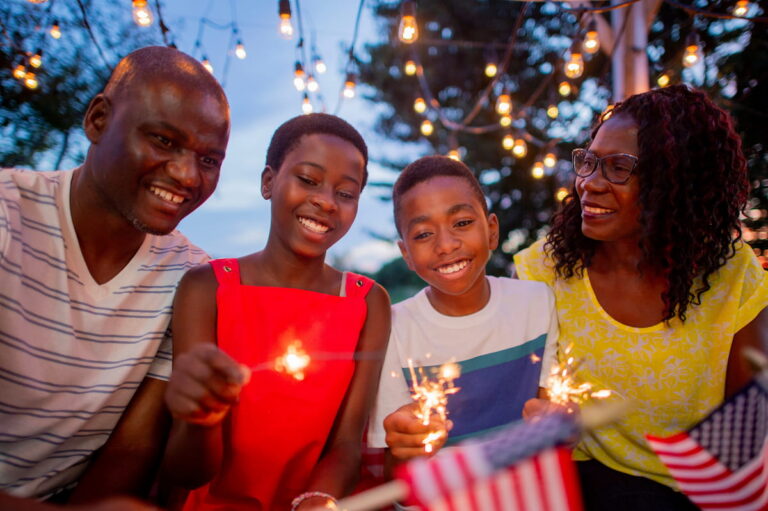
There is something undeniably magical about the Fourth of July. Whether it is the smell of charcoal smoke drifting through the neighborhood, the sound of laughter echoing from a backyard, or the anticipatory hush that falls over a crowd right before the first firework cracks across the night sky, it is a holiday built on tradition and togetherness. As a parent or caregiver, you likely spend weeks planning the perfect menu, tracking down the best lawn chairs, and dreaming of those picture-perfect moments with your kids. It’s the time of year when we want everything to be just right.
However, amidst the excitement of planning the ultimate family get-together, it is incredibly easy to overlook the hidden hazards that come with our favorite holiday staples.
“Every Fourth of July, we see children with serious burn injuries that can lead to pain, surgery, scarring and lasting emotional trauma,” said Dr. Alejandro Garcia, director of the Pediatric Burn Program at Johns Hopkins Children’s Center in Baltimore.
“Many of these injuries happen in just a few seconds and often involve activities families assume are safe,” he said in a news release.
RELATED: 9 Fireworks Rules that Will Save Your Life
When we think of fireworks, we often think of massive, professional displays. But in our quest to bring that excitement closer to home, we sometimes resort to smaller alternatives that carry a deceptive sense of safety.
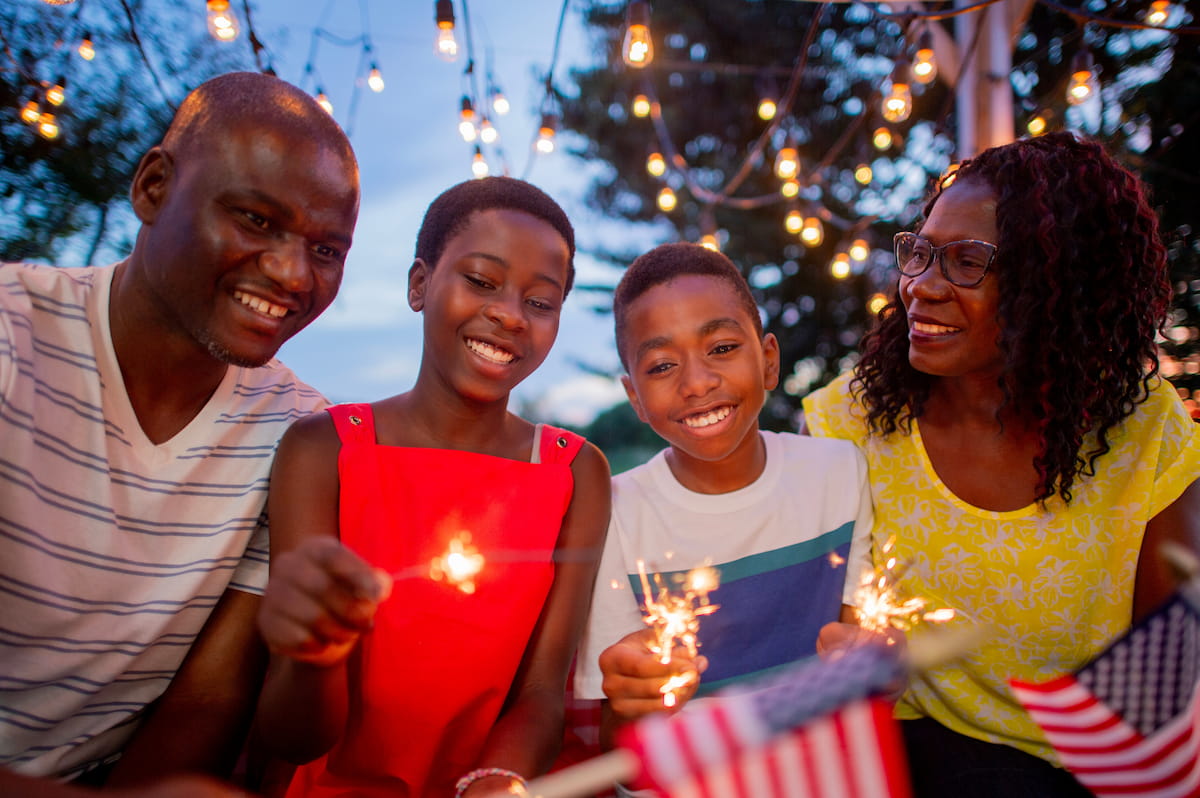
Sparklers might seem like a kid-friendly alternative to fireworks, but they can reach temperatures exceeding 1,000 degrees Fahrenheit. Young children should never handle sparklers, and older children and teens should only do so under close adult supervision. Sparklers should be kept away from faces, clothing and hair.
Outdoor fire pits and grills can pose a burn hazard for children even after the charcoal or fire appears to be extinguished. Embers and metal can stay hot for hours. A “kid-free zone” of at least three feet around grills and fire pits should be established, and embers thoroughly cooled with water before leaving this zone unattended.
RELATED: Fireworks Safety: 10 Ways To Prevent Injuries
Portable tabletop fire pits and indoor s’mores makers also pose a burn hazard. Many require rubbing alcohol or other accelerants for ignition. Kids should never operate these devices.
When it comes to actual fireworks, the safest bet is always to attend a local, professionally managed community display. These shows offer the grandeur and excitement we crave without the risk of stray sparks, accidental misfires, or the dangers associated with home-use consumer fireworks, which remain a leading cause of severe hand, face, and eye injuries during the holiday.
Even with the most vigilant supervision, accidents can happen in the blink of an eye. If a child sustains a burn, your reaction in the first few minutes is critical. Knowing how to react can significantly mitigate long-term damage.
“Most pediatric burn injuries are preventable,” Dr. Garcia said. “A few extra precautions can make the difference between an enjoyable holiday celebration and a trip to the emergency department.”
By keeping a close eye on your surroundings, establishing clear boundaries, and choosing safer alternatives to fireworks at home, you can focus on what truly matters: spending quality time with your loved ones this Independence Day.

By subscribing, you consent to receive emails from BlackDoctor.com. You may unsubscribe at any time. Privacy Policy & Terms of Service.