Folks losing weight on Ozempic or Zepbound tend to start slacking off when it comes to exercise, a new study says.
People’s daily step count and physical activity declined after starting a GLP-1 medication, researchers reported Saturday at the Endocrine Society’s annual meeting in Chicago.
“While many assume that weight loss leads naturally to increased physical activity, our study suggests otherwise,” lead researcher Dr. Sajana Maharjan of HSHS St. John’s Hospital in Springfield, Illinois, said in a news release.
This is problematic because GLP-1 drugs cause people to lose lean muscle mass as well as fat, researchers said. Users must work out to preserve their strength and long-term health.
For the new study, researchers analyzed movement data from more than 750 people who wore a Fitbit activity tracker after starting a GLP-1 drug. Glucagon-like peptide-1 (GLP-1) drugs mimic the GLP-1 hormone, which helps regulate insulin and blood sugar levels, reduces appetite, and slows digestion.
On average, daily steps decreased from 5,047 to 4,487 steps after people started on a GLP-1 drug, the study found. Likewise, their daily minutes of moderate-to-vigorous exercise declined from 28 to 22.
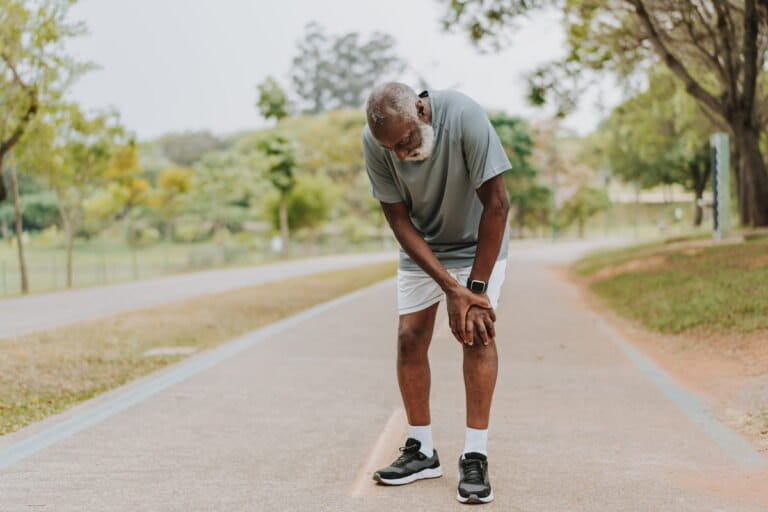
The largest declines were seen in men and in people with joint or muscle pain, researchers said.
Men got 986 fewer daily steps after starting a GLP-1 compared to 445 fewer among women, the data showed. Likewise, those with muscle or joint pain had 679 fewer steps, while those without such pain had a decline of 22 fewer steps per day.
The team found no evidence at all that people were more motivated to engage in physical activity after they lost weight.
“The findings in our study reinforce that exercise cannot be optional for people taking these medications,” Maharjan said. “People need targeted interventions that encourage physical activity alongside medication for obesity.”
Research presented at meetings should be considered preliminary until published in a peer-reviewed journal.
RELATED: GLP-1 Medications: A Comprehensive Overview
Research shows that Black adults experience higher rates of obesity than many other racial and ethnic groups. Obesity is linked to conditions that disproportionately affect Black communities, including high blood pressure, type 2 diabetes, heart disease, stroke, and chronic kidney disease (CKD).
While GLP-1 medications can be powerful tools for weight management, experts say they work best when combined with healthy lifestyle habits, including regular physical activity and a balanced diet.
Although GLP-1 medications can help lower the number scale, weight loss alone doesn’t tell the whole story. Some people lose muscle along with fat, which can affect strength, balance, mobility, and metabolism.
Maintaining muscle mass is important for everyday activities, healthy aging, and long-term wellness. That’s why experts recommend incorporating regular exercise — especially strength training — while taking medications like Ozempic or Zepbound.
So why do people exercise less after starting a GLP-1 medication?
Several factors may play a role, including:
Even small amounts of movement can make a difference. If you’re struggling with side effects, talk with your healthcare provider about ways to stay active safely and comfortably.

Looking for simple ways to add more movement to your day? Consider the following tips:
Remember: Consistency matters more than intensity. Small changes can add up over time.
RELATED: Monthly Weight Loss Shot Shows Major Promise in Clinical Trial
The number on the scale is just one measure of success. As you combine GLP-1 treatment with regular physical activity, you may notice other important health benefits:
If you have any questions about your GLP-1 treatment or need help developing an exercise plan that meets your needs, talk with your healthcare provider. They can help you create a safe, sustainable approach that supports both weight loss and long-term health.
More information
Massachusetts General Hospital has exercise recommendations for people taking GLP-1 drugs.
SOURCES: The Endocrine Society, news release, June 13, 2026; The Endocrine Society, study abstract, June 13, 2026

By subscribing, you consent to receive emails from BlackDoctor.com. You may unsubscribe at any time. Privacy Policy & Terms of Service.