Prehabilitation can help the elderly recover better and suffer fewer complications from spinal fusion surgery, a new study says.
Patients 75 and older who underwent a four-week prehab program prior to surgery were 18 percent less likely to suffer complications afterward, researchers reported June 16 in the Annals of Internal Medicine.
The comprehensive program included exercise, nutrition tips, and psychological support for folks facing a spinal fusion procedure, researchers said.
“This study provides evidence on the use of structured, multicomponent prehabilitation to reduce postoperative complications for spinal fusion surgery, specifically among older adults,” concluded the team led by Dr. Shibao Lu, director of orthopedics for Xuanwu Hospital at Capital Medical University in Beijing.
Spinal fusion involves fusing together two or more vertebrae, so they heal into a single, solid bone, according to the American Academy of Orthopedic Surgeons (AAOS).
The procedure generally is performed to treat back pain caused by problems like degenerative disc disease or pinched nerves in the spine, the AAOS says.
Spinal fusion is considered a relatively low-risk procedure, the researchers noted.
“Even so, patients aged 75 years or older have about twice the risk for postoperative complications and delayed discharge compared with younger persons,” the team wrote.
Recently, doctors and surgeons have started exploring prehabilitation as a means of preparing patients for surgery, researchers said in background notes.
The idea is that by building up their strength and health prior to surgery, patients will be more resilient and better able to recover following their procedure.

For the new study, researchers randomly assigned 164 spinal fusion patients to receive prehabilitation care along with regular surgical aftercare or regular care following surgery only. These patients were treated at three hospitals in China.
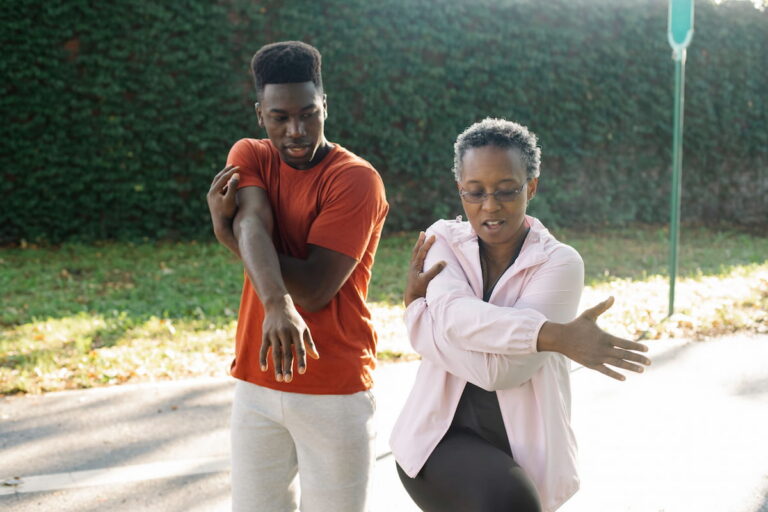
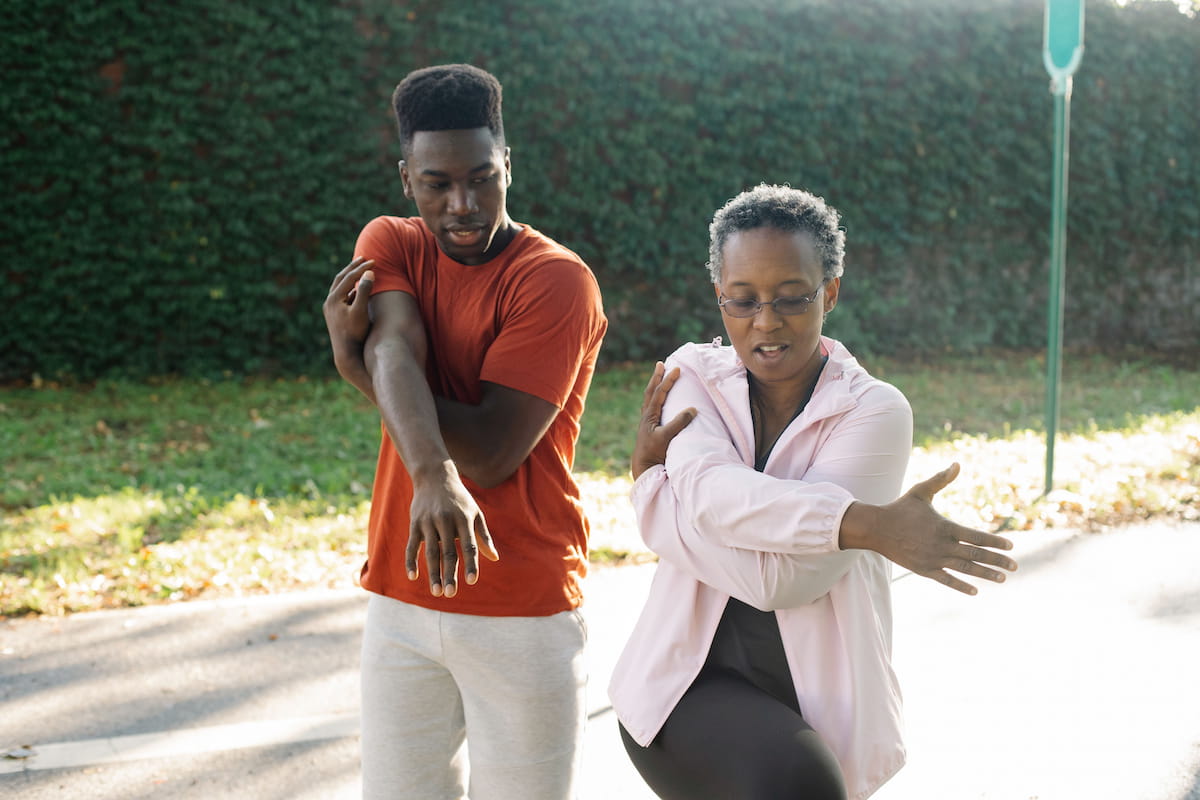
Exercises focused on strength training, balance, flexibility, and cardio fitness. Participants also were given dietary advice focused on calorie and protein intake, and received therapy focused on better sleep, pain control, prescription medication management, and psychological support.
About 75 percent of patients who received prehab suffered at least one complication within three months of their surgery, compared with more than 91 percent of patients who only got post-surgical care, the study found.
Prehab patients also spent less time recuperating in the hospital — 12 days versus 14 days, researchers said.
Further, most prehab patients (68 of 79) were back on their feet within 24 hours, compared to 55 of 80 in the post-surgical care group.
Women, patients undergoing low back spinal fusion, and patients with more education appeared to benefit most from prehabilitation, the study said.
However, researchers noted that these findings might not directly translate to benefits for patients outside China.
“Baseline nutrition and exercise may vary, and there may be differences in health care practices, such as length of hospitalization and preoperative waiting time, that affect applicability of findings as well as implementation to other settings,” the team wrote.
More information
Massachusetts General Hospital has more on prehabilitation.
SOURCES: American College of Physicians, news release, June 15, 2026; Annals of Internal Medicine, June 15, 2026

By subscribing, you consent to receive emails from BlackDoctor.com. You may unsubscribe at any time. Privacy Policy & Terms of Service.