Did you know the prevalence of arthritis in the Black community is slightly lower than that of our white counterparts?
Still, approximately 4.6 million Black Americans live with arthritis, facing the physical challenges of the condition and a higher burden of severe pain. Systemic barriers and pervasive stereotypes consistently obstruct our access to pain treatment.
But there is hope.
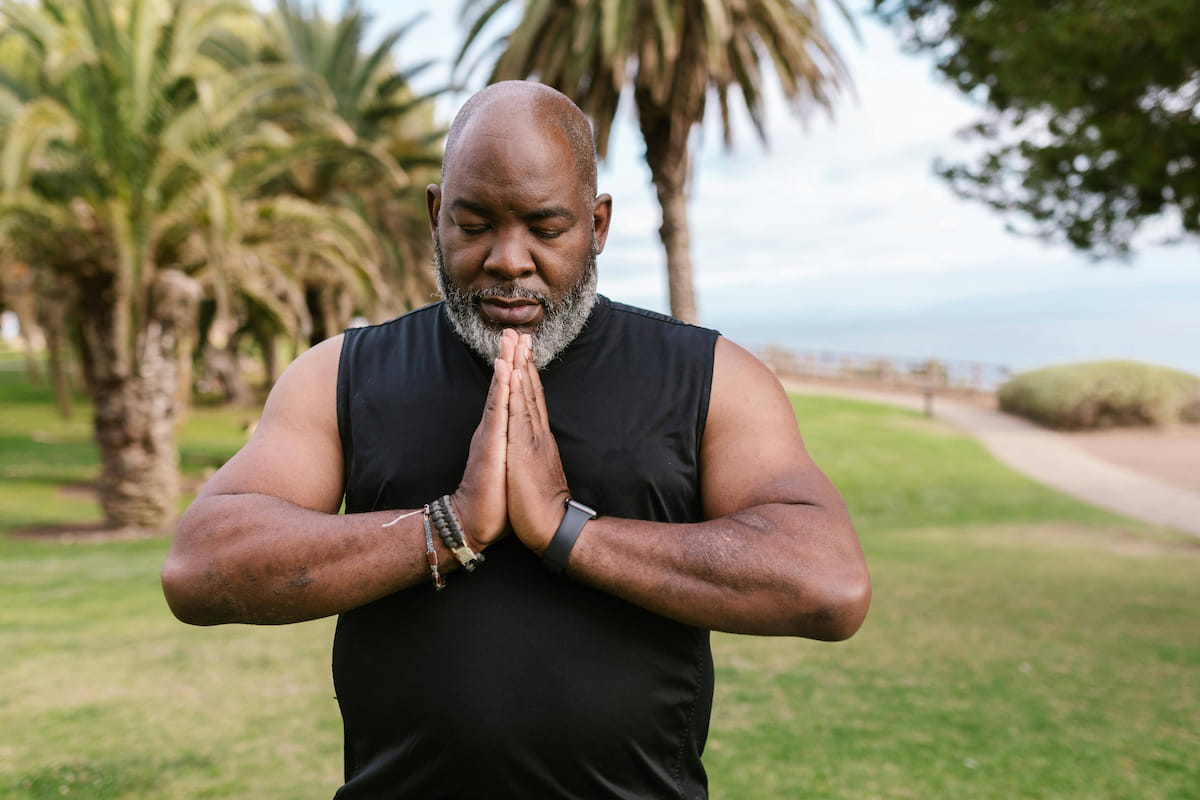
Mindfulness techniques are a powerful yet underutilized source of relief, offering an unconventional path to pain management and, eventually, a better quality of life.
A general medical term for over 100 diseases characterized by inflammation, pain, and stiffness in the joints, arthritis impacts about one in five Black adults in the United States.
A few common types of arthritis include:
RELATED: 6 Ways To Relieve Arthritis Pain Naturally
Sometimes arthritis is painful because the protective cartilage breaks down, leading to bone-on-bone friction (osteoarthritis). This damage triggers pain receptors, causes joint instability, and often results in stiffness, reduced mobility, and severe discomfort, particularly in the hands, knees, and hips.
Other pain factors include:
Another element of arthritis pain includes flare-ups, or sudden, temporary periods of increased disease activity or worsening symptoms, such as intense joint pain, stiffness, swelling, and fatigue. When people with arthritis experience a flare-up, the medications they typically rely on for relief may not work.
Though arthritis is often minimized in our society, the pain is often debilitating. Many individuals struggle daily with chronic fatigue, severe mobility limitations, and persistent sleep disturbances, making even routine tasks like dressing, cooking, and walking incredibly difficult.
If you find yourself grappling with arthritis pain, know that you are not alone in this journey. Let’s explore the restorative effects of mindfulness and how it can help you reclaim a sense of comfort and control in your life!
What is mindfulness?
-Jon Kabat-Zinn
With origins in Buddhism, mindfulness is the practice of being fully present and aware of the current moment—thoughts, emotions, and bodily sensations—without judgment or overreaction.
Jon Kabat-Zinn introduced meditation into Western medicine in 1979 by establishing the Mindfulness-Based Stress Reduction (MBSR) clinic. His program adapted Buddhist mindfulness techniques to address chronic pain, stress, and anxiety.
Here are five aspects of mindfulness to remember:
Mindfulness invites us to embrace each moment fully, fostering a sense of peace and resilience.
And it’s also an effective pain management tool!
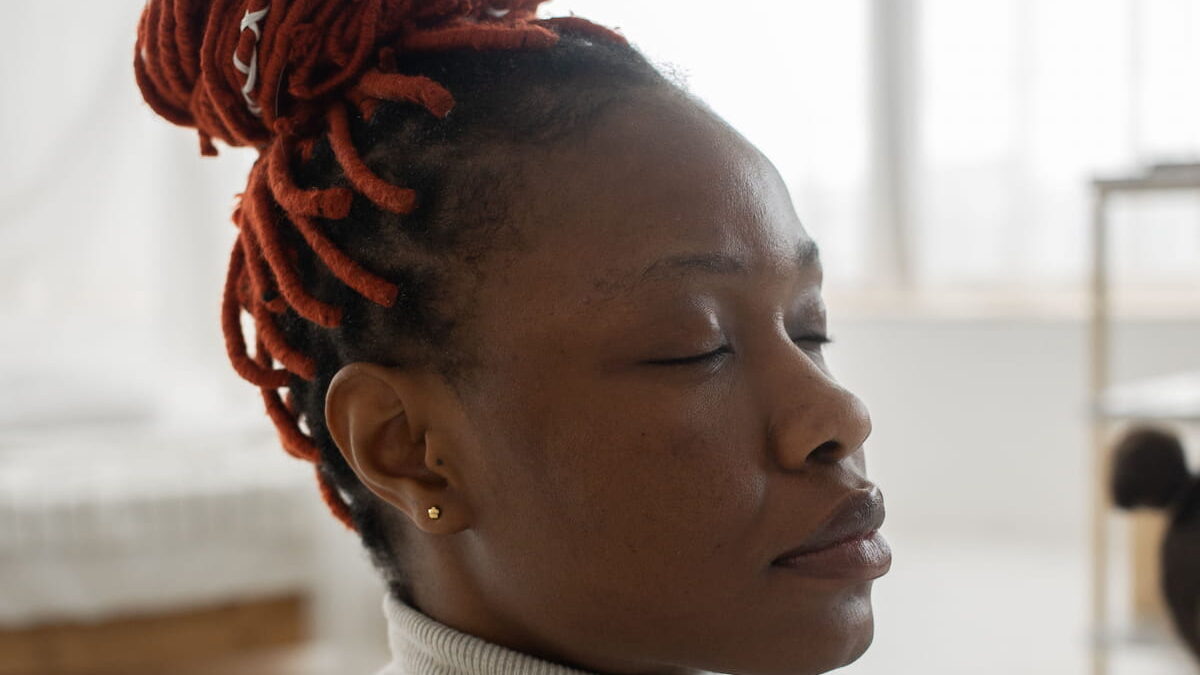
A recent study examined how mindfulness therapies affected rheumatoid arthritis patients’ perceptions of pain and observed improvements in pain scores, as assessed by the visual analog scale, along with associated outcomes such as coping efficacy and pain-related catastrophizing.
Regardless of the type of arthritis you have, mindfulness may help reduce your pain for the following reasons:
Mindfulness is a useful approach for controlling arthritis pain because it addresses both the psychological and physiological aspects of pain.
Integrating mindfulness into your daily routine doesn’t have to be intimidating! Try these four easy practices:
The most important thing to remember while practicing mindfulness is to observe your thoughts, feelings, emotions, and even physical sensations without judgment.
Feeling inspired and ready to learn even more about mindfulness? Check out The Free Mindfulness Project: a collection of mindfulness-based exercises in a centralized location.
Embracing mindfulness techniques is an unassuming yet transformative way to manage your arthritis pain. By cultivating keen awareness and acceptance of your experiences, you’ll feel less pain and more empowerment. Take a small step today and let mindfulness guide you toward a more comfortable life!


By subscribing, you consent to receive emails from BlackDoctor.com. You may unsubscribe at any time. Privacy Policy & Terms of Service.