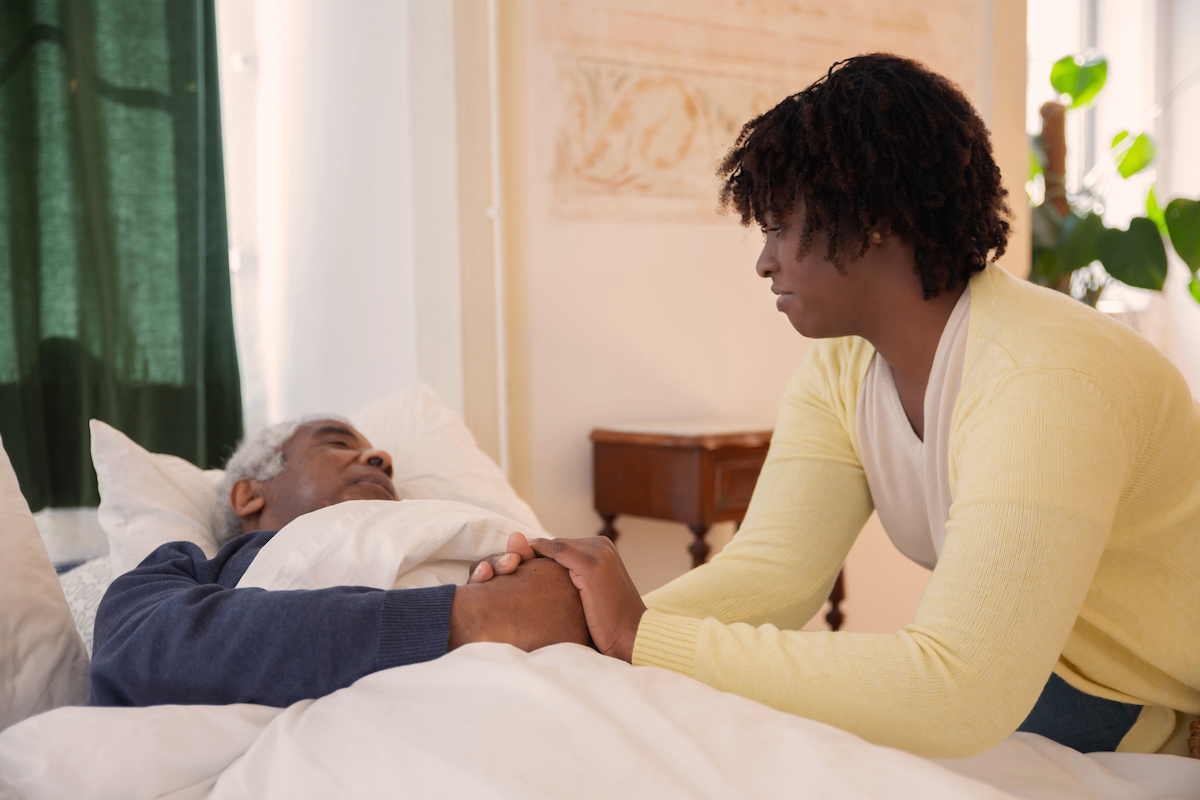
Caregivers play a critical role in patient health. The 2025 AARP and National Alliance for Caregiving report found that one in four adults — 63 million Americans — are now family caregivers, with 44 percent providing high-intensity care. The research also indicates that healthcare systems often overlook caregivers, with few being asked about their own needs despite their responsibilities.
Recently, though, caregiver well-being has been getting more attention — whether it’s through a growing number of community support groups like Binti Circle or caregiver-focused research through clinical trials. Through these programs, clinicians are connecting more families to the holistic care they need, so both the patient and caregiver are supported.
Keep reading to learn more about clinical trials for caregivers and how you can find support.
Caring for someone with a chronic illness or permanent disability might lead to caregivers struggling with their own physical and mental health — and recent research confirms this.
According to the 2025 AARP and National Alliance for Caregiving report, one in five family caregivers rate their health as fair or poor, with women, LGBTQ+ caregivers, and those living with their care recipient reporting the worst impacts. The report also finds that feelings of isolation have increased, with 24 percent of caregivers reporting feeling alone. These results are notably worse for caregivers who report having no choice in becoming caregivers.
When the focus is always on someone else, the starting point for caregivers often needs to start by taking a moment to focus on themselves.
“The first conversation I have is not about coping strategies,” says Deb Gordon, MBA, BCPA, co-founder and CEO of Umbra Health Advocacy. “It’s about getting their own primary care appointment on the calendar, because stress-related illness shows up in roughly a third of primary care visits and a quarter of hospital admissions.”
Setting aside just one hour a week — whether it’s spent going for a walk, getting a haircut, or catching up with friends — can be essential. “The caregivers who skip that hour are the ones who eventually crash,” Gordon says.
This rudimentary self-care is essential. “I’ve learned our ability to make wise choices for our care receivers is directly tied to our own balance and our own well-being,” says Sue Ryan, the co-founder of The Caregiver’s Journey. Ryan has held caregiving roles for both her father and her husband. “I didn’t realize I was running on empty. Now, I regularly check in with myself.”
Support groups are also hugely beneficial for many caregivers seeking shared experiences and community. “In my caregiver support meetings, I’ve seen community members help someone recognize the signs of compassion fatigue — including apathy, isolation, exhaustion, substance use — before they could either see it in themselves or know what it was,” Ryan says.
For Black women, who are often underrepresented in caregiving circles despite their long legacy of caregiving, culturally competent support can be hard to find. It was precisely this challenge of finding relevant resources for Black women in familial caregiving roles that led Dawnita Brown to found the Binti Circle.
“By providing a platform to support Black daughter caregivers, the narrative of arduousness is shifted, health is improved, and [the] voice of the marginalized Black daughter caregiver is amplified,” outlines the organization’s mission.
RELATED: Caregiver Fatigue Wearing You Out? You Aren’t Alone!
Some caregivers might experience different emotions and stress if the care receiver is a relative. In this context, clinical decisions also become familial.
“When the person being cared for is a family member, the relationship carries more layers of history, expectation, role identity, and emotions ranging from hatred to adoration, from fear to cherishing,” Ryan says. “I cared for my dad while simultaneously grieving the loss of the dad I had always known.”
Not only is the emotional burden higher, but there’s also the inextricable element of identity that family caregivers face. “Watching a parent decline is also watching your own future, and the anticipatory grief that comes with that is its own kind of exhaustion,” Gordon says.
Paid caregivers — though the physical and mental toll they experience is just as real — have an emotional distance that a child or spouse never can. However, related caregivers often have a context and background that takes a paid caregiver months to build. “The best outcomes I see come from teams where both are present and respected,” Gordon says.
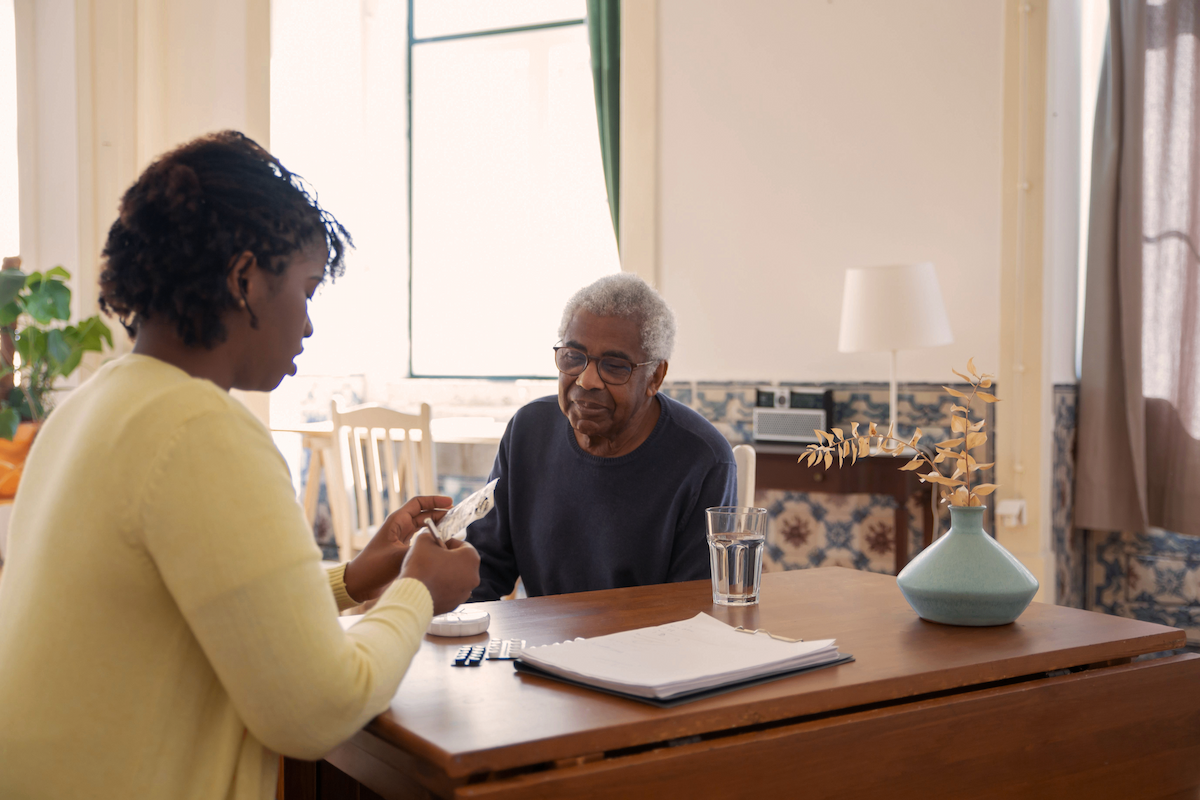
Research has historically been focused on the care receiver. Now, there is more attention to and funding for research on caregiver health. There’s a demographic reason for this attention: baby boomers are living longer, and Gen X and millennials are taking on the caregiving load. But it’s also because as caregivers struggle, so too does the quality of care.
“If clinicians want to understand the full picture of a patient’s experience and quality of care, it’s important for them also to understand the caregiver’s experience,” Ryan says. “The two are inseparable. “Investing in caregiver well-being is, at its core, investing in improved patient outcomes.”
Family caregivers are no longer being treated as simply free labor for the healthcare system, according to Gordon. This research can be about compassion fatigue, a stress disorder that affects caregivers who focus on others so much that they lose access to their own physical, emotional, and mental self-care. “We now have trials looking at structured respite, cognitive behavioral therapy for caregivers, peer support, and even pharmacologic interventions for caregiver depression,” she says. “To me, that says the field is finally treating the caregiver as a patient too.”
There are online clinical trials, such as SAGE LEAF 2, an online program designed to reduce dementia caregiver burden. Researchers are also studying whether AI-driven tools can reduce caregiver burden and improve quality of life. “A signal that the field is actively looking for scalable, accessible solutions that can reach caregivers wherever they are,” Ryan notes. There are also clinical trials that focus on the experience of African Americans caring for aging parents to better understand the role that cultural values, identity, and faith play in caregiver burden.
Accessibility is always a concern, especially since many in-person clinical trials recruit participants from academic medical centers in big cities. “[This] means the rural caregiver, the hourly worker who cannot drive across the state for a study visit, and the caregiver of color who has every reason to be skeptical of medical research are all still missing from the data,” Gordon says.
RELATED: I’m a Caregiver — But I Had to Learn to Care for Myself Too
If you’re helping care for a loved one with a serious illness, you may not think of yourself as a “caregiver” — but the support you provide truly matters, and so does your own health and well-being.
Many caregivers focus so much on the person they’re caring for that they forget to check in with themselves. It’s important to ask: “How am I holding up?” “Do I have the support I need?” Taking care of yourself is not selfish — it’s an essential part of being able to care for someone else.
Connecting with caregiver support communities can help. Organizations such as the Binti Circle provide caregivers with a space to connect with others who understand what you’re going through, while offering educational resources, practical guidance, and emotional support.
You may also consider participating in a clinical trial designed specifically for caregivers. These studies often explore ways to reduce stress, improve mental health, strengthen coping skills, or provide additional support for people caring for family members with serious illnesses. Support groups and advocacy organizations may be able to help you find opportunities near you.
National resources like BlackDoctor’s Clinical Trials Resource Center and ClinicalTrials.gov can be a catalog of recruiting clinical trials for caregivers. Non-profits are also a good resource for finding clinical trials, such as the National Alliance for Caregiving and the Family Caregiver Alliance, which list ongoing trials actively seeking caregiver participants.
Remember: your health, well-being, and experiences matter. Seeking support — for yourself as well as your loved one — can make a meaningful difference for your entire family.
By subscribing, you consent to receive emails from BlackDoctor.com. You may unsubscribe at any time. Privacy Policy & Terms of Service.