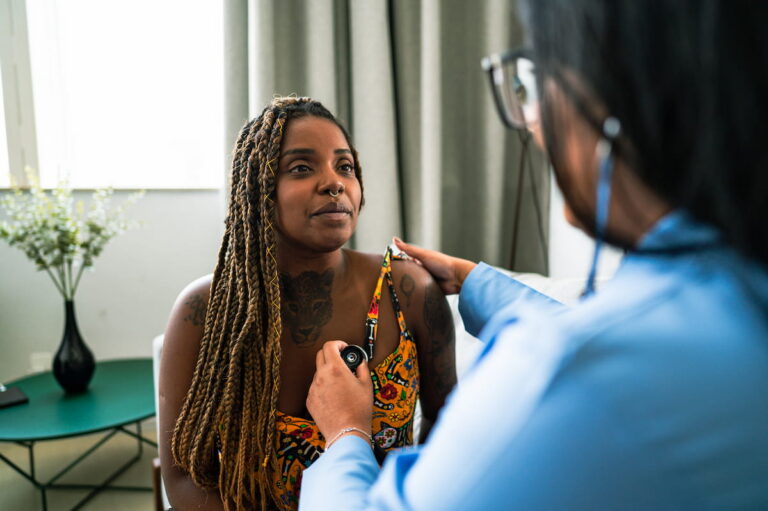
Uterine fibroids are non-cancerous tumors that grow in or on the uterus and are one of the most common gynecologic conditions affecting women— up to 70 percent of all reproductive age women develop them, yet Black women carry a disproportionate share of the diagnosis. By age 50, up to 80 percent of Black women will develop fibroids, often earlier, larger, more numerous, and more symptomatic than women of other racial groups. The cause of the development of fibroids is largely unknown.
Research is still evolving, but some common disparities include:
These disparities directly shape how fibroids are detected, treated, and managed among black women.
About 40 percent of women who have fibroids have debilitating symptoms, such as heavy menstrual bleeding, pelvic pain, and pressure.
Heavy menstrual periods due to fibroids may last for more than seven days and can cause iron deficiency anemia. They may soak one pad or tampon every hour, sometimes overflowing past hygienic pads onto clothing. Some women with fibroids are unable to go to school or work during their menses, which significantly impacts their quality of life.
Evaluation should be done by OBGYN physicians with pelvic ultrasound, saline ultrasound, and pelvic MRI to identify the size and locations of the fibroids.
The location and size of fibroids can significantly impact fertility. Fibroids are the primary cause of infertility in 2 to 3 percent of infertile couples, but this estimation is grossly limited by research data that is available.
They affect fertility through distorting the inner endometrial cavity, changing the anatomy and blood flow to the uterus, and changing the gene expression of the uterine muscle and endometrial cavity, all of which impact fertilization and implantation.
When women conceive with fibroids, they have a high risk of requiring a C-section, experiencing preterm labor, delivery, and/or fetal growth restriction. They can also experience placental abnormalities, which can lead to excessive bleeding in pregnancy and after delivery.
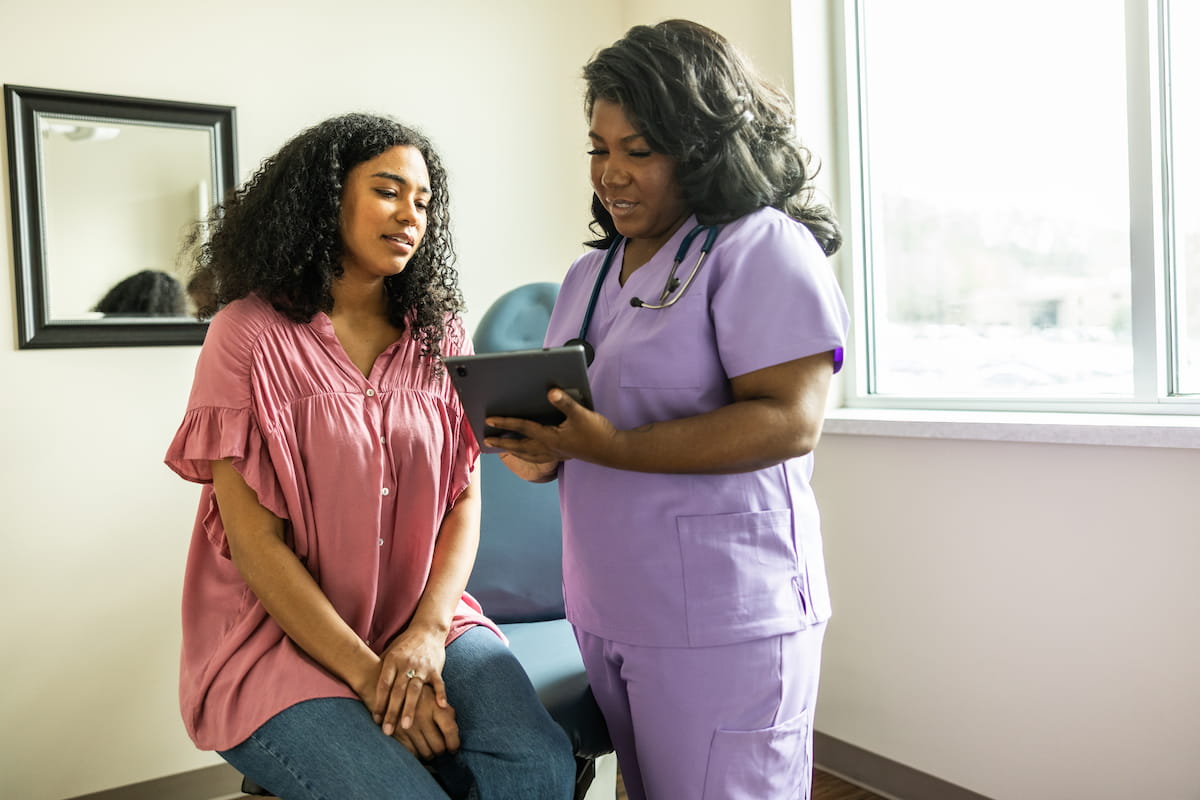
There are multiple factors that are important in deciding if fibroids need to be treated in order to improve fertility. The uterus has three layers where fibroids can develop: the inner layer where embryos implant (endometrium), the muscle layer (myometrium) and the outer layer (serosa).
Fibroids inside the uterine cavity must be removed because they cause heavy bleeding and interfere with implantation—this is accomplished by surgery called hysteroscopic myomectomy. Fibroids in the muscle or outer layer that are five cm or larger often require removal to reduce pregnancy complications. The surgeries can be done by laparoscopic or robotic surgery or with an open myomectomy.
There are medications that can be used to help shrink fibroids temporarily, but they are contraindicated when a woman is trying to conceive.
The most common solution for a uterine fibroid is resection when indicated. These surgical approaches, in most instances, improve the women’s odds of a successful, healthy pregnancy.
Even after treatment, black women experience higher recurrence and regrowth, about two to three-fold more than other ethnic groups. Because of smaller microscopic fibroids that could be present in the uterus at the time of surgery, those fibroids can grow and become symptomatic within five to 10 years after surgery.
Black women’s fibroids develop larger and are usually more numerous, with a shorter window of growth. We encourage women of reproductive age to have their surgeries when they have established a plan for family building, so that childbearing is completed prior to needing another surgery.
RELATED: What MOST Women Don’t Know About Fibroids
If surgical treatment is indicated, the timing of pregnancy is dependent on the method of surgery. If hysteroscopic myectomy is performed, patients should have at least two months of healing with a normal endometrial cavity evaluation prior to attempting pregnancy or pursuing IVF. If the fibroid is within the muscle or the outer layer of the uterus, then the woman must wait three to four months before trying to conceive.
In the majority of those instances, cesarean section is recommended for the women’s deliveries.
While fibroids are common, the suffering they cause—especially in Black women—is not inevitable. Early evaluation and access to fertility-preserving treatments can dramatically improve outcomes.
Dr. Ndeye-Aicha Gueye is board-certified in Obstetrics/Gynecology and Reproductive Endocrinology and Infertility and lead physician at Reproductive Medicine Associates of Pennsylvania. She earned her Doctor of Medicine and completed her residency at Rutgers University’s Robert Wood Johnson Medical School in Piscataway, NJ.
By subscribing, you consent to receive emails from BlackDoctor.com. You may unsubscribe at any time. Privacy Policy & Terms of Service.