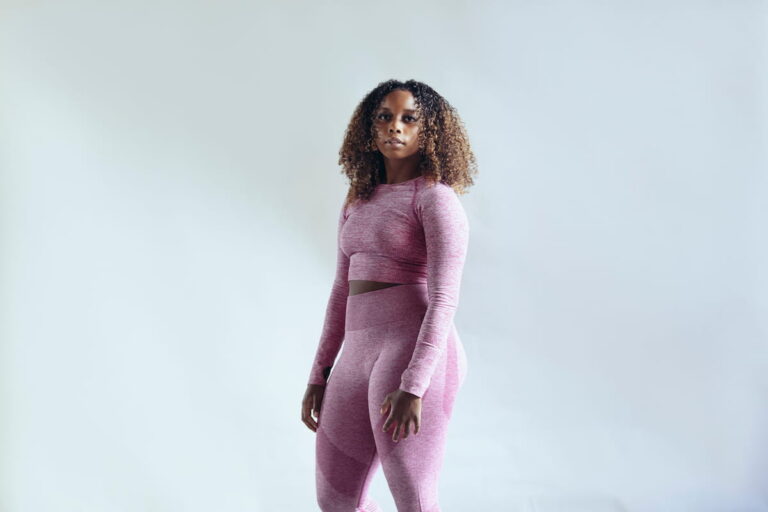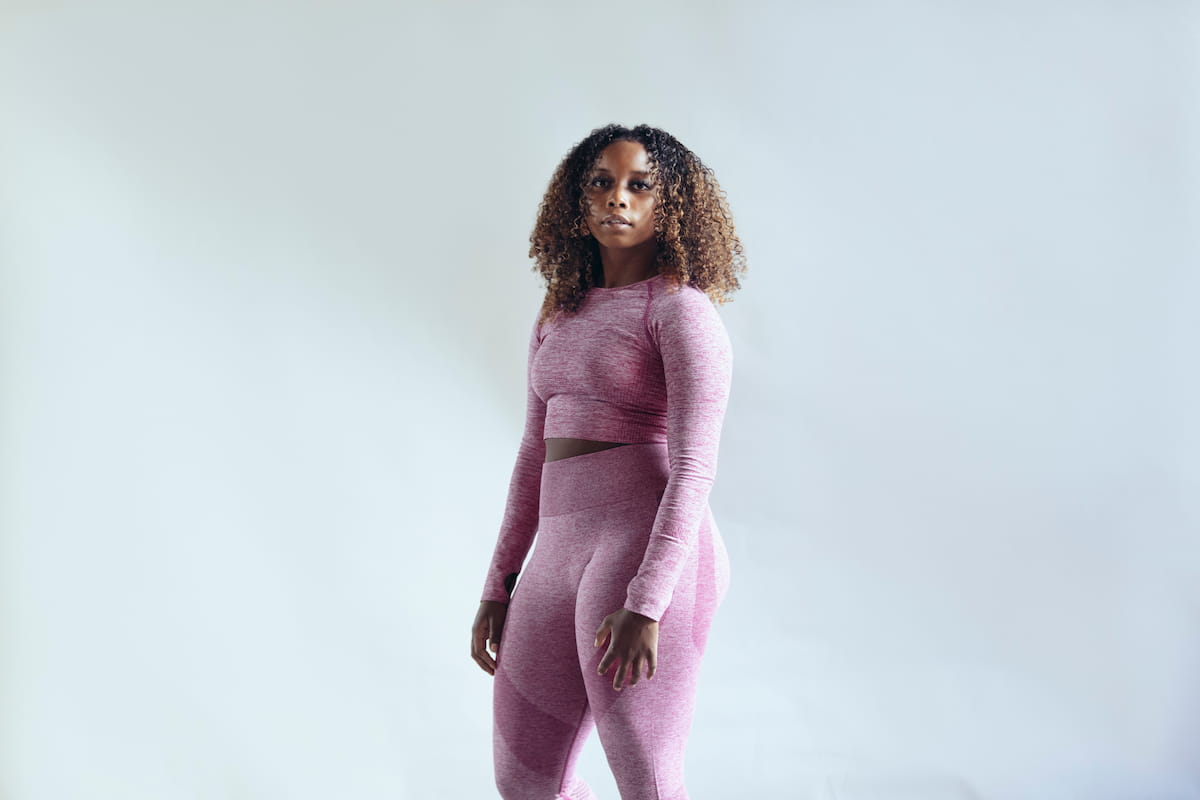
Nowadays, it seems like every woman owns at least a handful of yoga pants. Whether we’re working out, running errands, lounging on the couch, or heading to work, leggings are great for almost every occasion. But is it safe to wear them 24/7? We’re sharing some top tips for wearing yoga pants so you can keep your naughty bits healthy and happy.
First things first, it’s important not to wear your sweaty leggings for too long. While it may feel great to bask in the post-workout glow and grab brunch, your lower body may not be the biggest fan of lounging in moist and smelly pants. Sweat is mostly water, but also contains salt (chloride and sodium), potassium, proteins, amino acids, trace minerals, and various toxins, points out the Cleveland Clinic. When you work out, sweat helps your body regulate its temperature and cools down. Additionally, it helps moisturize your skin and protects it from unwanted invaders, such as fungi or bacteria, according to the Cleveland Clinic.
Remaining in tight workout clothes for a prolonged period isn’t ideal and may have undesirable consequences, depending on the frequency. According to Vice, the worst possible outcomes are a yeast infection, a staph infection, or a cyst. On the other hand, the more likely scenario is an unwanted bacterial infection. This is because yoga pants trap sweat and moisture.
To avoid this, it’s best to shower and change out of your pants right away. If you’re unable to shower due to time or work constraints, changing your bottoms may do wonders in keeping you clean, healthy, and comfy. You’ll also smell better!
If you live in yoga pants daily, we get it. We’re huge fans of leggings too, and have found the easiest way to break up this wardrobe routine is to change what you work out in. For instance, instead of reaching for leggings to hit the gym and then another pair to go to work, choose a different pair of bottoms altogether.
Running shorts can be an excellent choice for their breathability and loose fit. It’s widely believed that a relaxed fit may help reduce your risk of developing a fungal or bacterial infection from tight clothing. Runner’s World recommends buying shorts that are form-fitting and limit friction against your intimate areas. Depending on your workout, flowy pants or hiking pants may also be an excellent choice for lightweight active gear.
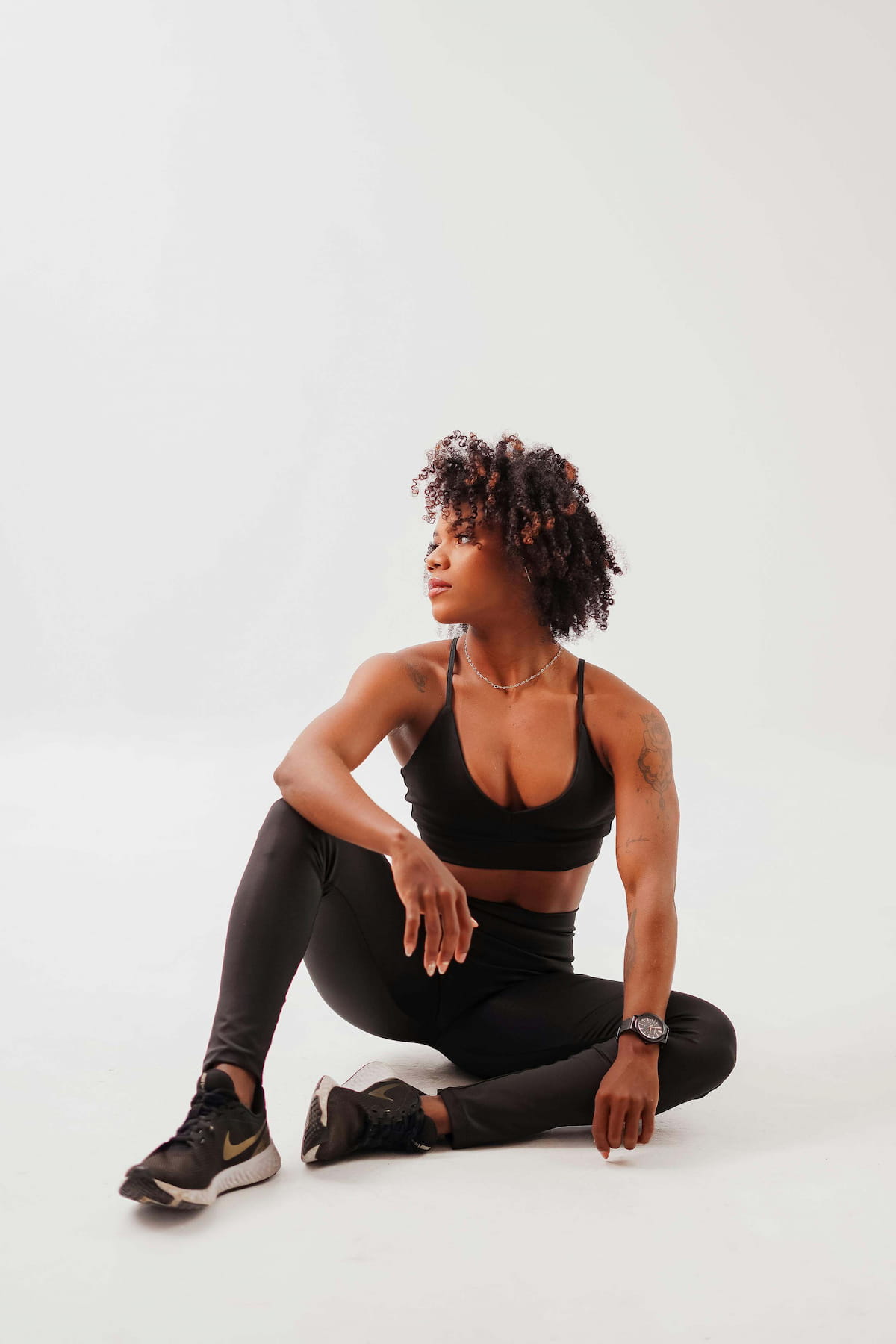
Nowadays, it seems like every active clothing item is marked as “breathable”, and deservedly so. The material feels light and comfy, and it protects your private parts from invaders that thrive on moisture. The National Institute for Health Development (NIHD) reports that overly tight, synthetic fabrics may increase one’s risk of developing a UTI. But why? These materials, which are commonly found in leggings, retain moisture and create a favorable environment for bacteria to multiply, the NIHD points out.
This industry-wide practice is why Lululemon – a popular activewear brand – is currently under investigation for using synthetic chemicals in its products. Known as “forever chemicals,” PFAS (per- and polyfluoroalkyl substances) have been found in certain food packaging and non-stick cookware, according to The Conversation.
Continued exposure to PFAS may negatively impact long-term health and well-being. Current studies suggest that PFAS may decrease fertility, escalate blood pressure during pregnancy, and cause developmental problems in children, points out the United States Environmental Protection Agency (EPA). In other words, it’s a natural hormone disruptor.
What’s more is that PFAS may decrease the body’s immune response to ward off infections, while simultaneously increasing the risk of obesity and certain cancers, explains the EPA. Some of these cancers include testicular, kidney and prostate. More research is needed to determine additional health effects.
Did you know there are different types of leggings? Regular yoga pants (aka standard leggings) prioritize comfort and are built for working out and lounging. On the other hand, performance and comfort are top of mind for compression leggings. Why? Because they’re designed with a unique pattern that gradually applies pressure to the legs to aid muscle recovery, reduce fatigue, and increase circulation, shares Dr. Motion. This constant pressure boosts muscle performance and helps your legs stay revved up throughout different movements.
Compression leggings are also more stable due to the thicker fabric. Surprisingly, subtle pressure patterns can help support discomfort caused by poor circulation or fluid buildup. While they’re great for both relaxation and exercise (at times), it’s still important to change your pants after a sweaty workout. On hot days, you might want to skip them altogether, as the material may retain heat.
At the end of the day, you’ll be just fine. We’ve all been there occasionally, and it’s completely normal. If you’re concerned about wearing yoga pants every day, consider switching up your routine as often as you can.
Cotton, for instance, is a plant-based material that’s well-known for its cushy comfort, durability, high versatility, and strength. It’s extremely breathable and naturally moisture-wicking, so it won’t trap heat. That’s why this natural fiber is popular worldwide, often used in bedding, clothing, textiles, and more. If it sounds incredible, it is. And, it has years of research to back up its benefits. From flowy crop pants and wide-legged jeans to relaxed fit shorts, prioritize natural fabrics that are non-clingy and breathable. Lastly, be sure to put on clean pants after you work out (and shower of course), and if you ever get itchy, switch up your bottoms. Many of us have worn our yoga pants more often than we’d like to admit, but again, it happens. And it’s okay.


By subscribing, you consent to receive emails from BlackDoctor.com. You may unsubscribe at any time. Privacy Policy & Terms of Service.