Play Video
Poetry of Healing: A truth about marriage
What does marriage really require?




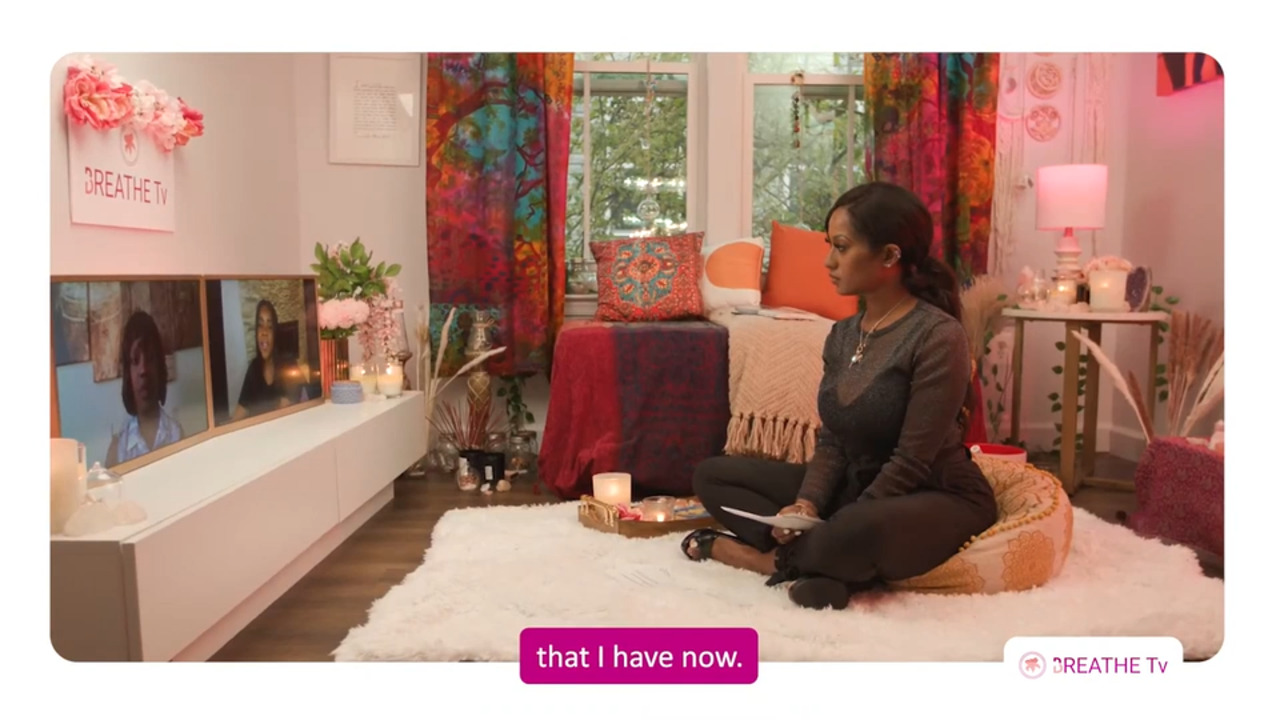
The first key to managing medication safely is knowing what your medications are, okay? You have to know the generic name and the trade name. I don't care if you can pronounce it, but you have to know the difference, because I've seen people on one dose of a generic name of something and another dose of the chemical name. They're taking two of the same medication 'cause they don't recognize the difference. So you have to know what your medications are. You have to know what the medications are for, you have to understand the side effect profile, and you have to make sure that you're taking them the way you're supposed to.
And I've made a medication sheet that has a space where you can actually tape a pill so you know what it looks like, because everybody says, "I'm taking the little blue pill." The problem is that pharmacies shop around just like you do, and every month they find the vendor who has the least expensive form of that particular medication, and it may not be little or blue next month. So you have to not just know what the pill does and what it looks like, you need to know what the pill is. And this is what I have people do: when they get a new batch of pills, if they look different and they looked at the label and you're sure what it is, you take that pill or a picture of the pill and put it on your medication sheet so you know what it looks like.
This medication sheet also has a block for the doc who prescribed it, the doc's phone number, and what kind of doc that is.
And then there's breakfast, lunch, dinner, bedtime, and you put X's where you're supposed to take it. Two X's if you're taking two of them, a little asterisk if you have to wait twenty minutes after you eat, or, you know, or you can't eat at all, or you have to take it with food. All that information needs to be someplace vis- visible and visual so that you understand what you're doing. The other thing you have to understand is that Dr. Google is not your partner, okay? The internet is a place to get questions, not answers. Most of the stuff you find on the internet about medications is advertising.
It is not necessarily science. And when you hear about a side effect profile from a manufacturer, they're telling you everything that might happen so that if it happens to you, you can't sue them 'cause they told you. It doesn't talk about what is likely to happen, and more importantly, what is likely to happen to you if you don't take this medication. And so you need to have a primary care professional that you work with who's gonna give you that information, whether it's a pharmacist that you trust And again, this is another thing that organizations in the community can do.
You have brown bag sessions, okay? You get a pharmacist, a nurse, a physician. You have everybody bring all their medicines in a brown bag, and we will sit and work with you. No, your doc's not gonna spend more than seven to ten minutes with you because this is how the corporate medicine works now, but this is a place where the community can step in.
We- members of your church are pharmacists, and they'll do that on a Saturday morning. Again, we are the cavalry we're waiting for. We can make medication management safer for our caregivers and our older adults and anyone else with chronic disease. Medication management is hard, especially for working caregivers, because you're not there to make sure that the pill is given the way it's supposed to be. There are some automated medication systems on the market where you can fill it up for a week, sometimes for a month, and program it, and it will ding and shoot out a cup that has the medication in it.
Sharper Image had one. Might cost a hundred bucks. There are some that are more expensive, but if you're in a family where everybody's working and nobody can do this, it might be worth chipping in and doing that.
By subscribing, you consent to receive emails from BlackDoctor.com. You may unsubscribe at any time. Privacy Policy & Terms of Service.