Lupus is transforming. It transforms your life because there are many entities that come behind it. My name is Sherry Yvette. Withers-Banks, and I am a 26-year lupus nephritis survivor. Survivor. I had never been in the hospital in my life. And when I was first in the hospital, I was taken to the emergency room with acute renal Failure. The doctors did not know what was wrong with me. They were just trying to keep my body and my organs from breaking down, and within that same week from my biopsy, That's when my doctor, who was amazing, had an idea that I had lupus 'cause I had all the symptoms, and I had never heard of lupus.
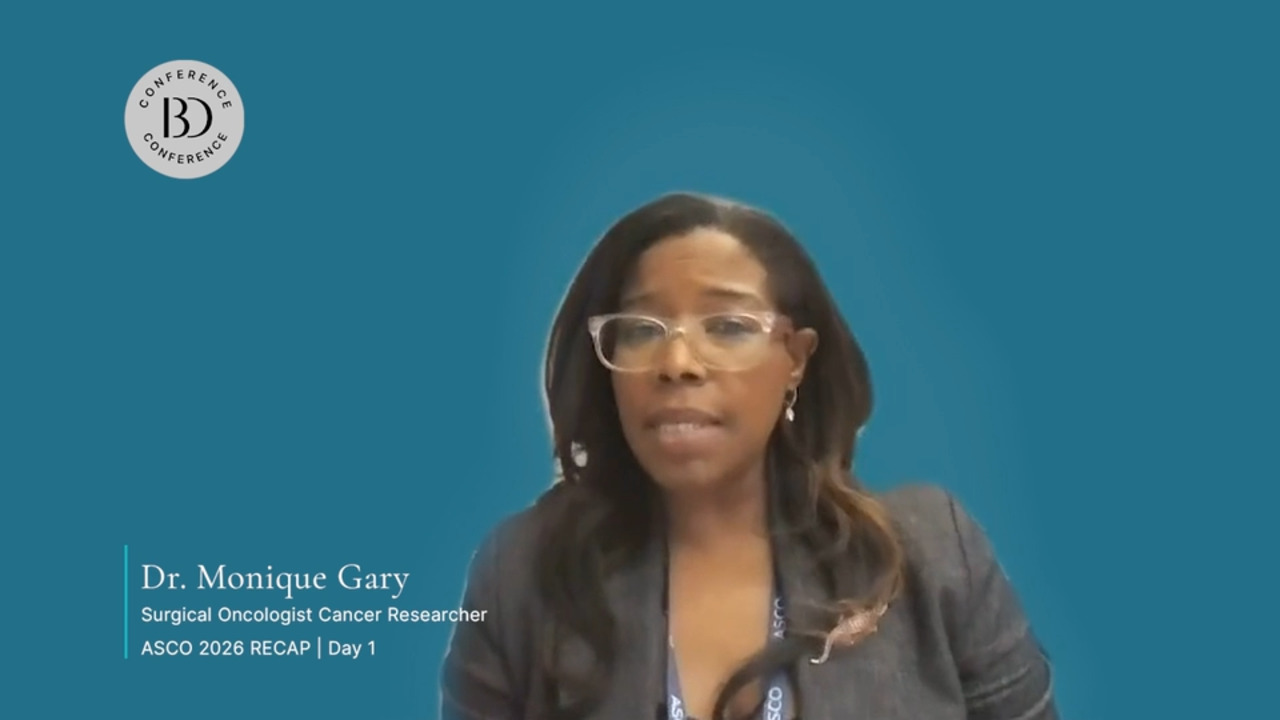
It was such a shock because it came on so Suddenly, without any preconditions or no. Other instances that preceded it, so it was like... We were quite concerned. Lupus is a chronic, multi-organ autoimmune disease. Now, your immune system is typically the part of your body which helps you fight infection. Helps you fight anything that's foreign. In the case of autoimmune diseases like lupus, The body actually starts to attack the healthy tissue. This can lead to inflammation in many different organs. Lupus is nine times more common in women than men. In African American or Black women, they're three times more likely to get lupus than their white counterparts.
Black patients with lupus also develop it at a younger age compared to their white and other counterparts. They're also more likely to have more severe disease or organ manifestations. Black patients with lupus are more likely to develop end-stage renal disease and need dialysis or need a transplant.
They're also more likely to have a higher mortality or a higher death rate from lupus compared to White patients. Receiving the diagnosis of lupus was very life-changing. I've been through everything. You know, every organ has been biopsied. I've been through every test that there is. I went from no pills a day to quite a few, twenty pills a day. And it was a lot of adjustment for me. I learned a lot. I tried to pay attention and be a patient advocate since that moment. I want to know what you gave me in my IV. What pills are you giving me? What is it doing for me? I mean, what is the point?
'Cause I'm still Learning about the disease. Sherry has taught me a whole lot about the word lupus, and it gives me a whole lot more meaning. Of the word patience and dealing with life's challenges, and the benefit of it is to see how She actually, you know, goes through some of the trials, you know. Of the pain, this and that, the tiredness. But then the benefit of it is when she's not Tired and taking all of the medicine and doing her regular day. Going about it. You know, the smiles and everything on her face, and we can actually get out and be like normal, if not even more than normal couples, smiling and happy that, Okay, we are having a good day.
Normal life to me is keeping up with my doctor's appointments or working my full-time Job, trying to incorporate my entertainment life. Being a professional model and a professional entertainer, there are certain shows I do. Every other week, so I have to make sure that's scheduled.
My goal is to stop hating my health, even though my health is important. But stop having my health overtake what I really want more of: my "quote-unquote" normal. Life to be. The true resilience of Sherry and her lupus is when she is getting ready for shows and then Sometimes she just wouldn't feel well, and then you give her moments to gather some more. Positive feelings and all that, then next thing I know, She's up and ready to go perform and do her shows or whatever work she has to do, and she's Doing it with a smile. Having lupus and being an entertainer, I try to bring it all together and bring joy.
To others. Making other people smile and getting me the opportunity to be someone else. If you didn't know, You would swear Whitney came down from heaven and just took over her body and... Short of actually singing, but lip-syncing, she's just a joy to watch. Watch. And you know, I get to have fun and I get to Put on my makeup. I get to put on my jewelry, my gowns, or my outfits and bring joy to others. It's almost like my lupus gets quiet and disappears during the time I perform. When I was diagnosed with lupus, I did look for outside support, and that's when I did Find the Living Life with Lupus support group, and they embraced me when we had meetings every month.
Everybody was able to talk about what they were Going through it, so you definitely need the support. You have to have a support group and your health team. There are a lot of facets that are important to improving lupus care for our patients.
So, one thing is education. The more we make people aware of what lupus is, The more we educate people, the earlier people can start to see if they have these signs or symptoms in themselves or their family members, and they can start those discussions with their physicians or their providers, who can then either send specific tests or refer them out to the right specialist. Dealing with lupus, have a mental health specialist or anything in that entity is very important 'cause you need an outside person Who's neutral, that's not a friend, that's not family, to listen to you and you can be more open, 'cause they'll tell you straight what you need to do for yourself and make yourself feel Better.
Mental health is so important for people that Are suffering in any way, or are just struggling with life. There's a strong sense that doctors have control. Patients are at the mercy of their physical condition, and so the feeling of not having much Control is frightening. Also, there are so many decisions to be made. Made medical decisions, financial decisions, and work decisions. Lupus has a stressful effect on relationships, including family relationships. Marriages, not to mention the financial burden. So, I believe the most important aspect of a A therapeutic relationship is having someone there who can bear witness to what you're Going through without any judgment, but with ideas and encouragement to help you move.
Forward through some really difficult situations in life. For someone who's just been diagnosed with lupus, I would tell them one: Think positive no matter what.
It may be difficult because you've been diagnosed, but you have to think positive 'cause that gives you the energy to soak in everything That you're going to learn about the disease. Number two, You want to make sure that you are getting rest and staying stress-free because stress in a Lupus patients can have a flare, and a flare is when your disease is active. And then you have to make sure any specialist appointments that they talk to you about. That you make those appointments and put them in your calendar, being a patient advocate in Getting that rapport with your provider, if at all possible, Get a doctor that is compassionate in the sense that they listen to you and I would also suggest that they go to a teaching hospital because teaching Hospitals have a wider focus as To things they can do or they try.
And then do whatever you can to take a little of the weight off of them. Shoulders. And cook organic if you can. Prices sometimes are a little higher. High, but the reward for the body is Outstanding. As a life partner, what I would offer to someone is to have patience. That no matter what, have patience and faith. You have to in order for it to work. For it to be a success. Having faith, patience, You know, your spiritual guidance, just being positive and, no matter what, making Sure that you're being positive for that person, you know. Because you're doing it for both of you.
The advice that I would offer to other parents Going through the same as I've gone through is perseverance and trying to, To encourage your son or your daughter, what their future can be and them going through what they are going through with their, their disease and telling them, thus far, there has not been a, a cure for it, but there's been a lot of progress in treatments.
No matter what, be an advocate for yourself when it comes to your doctor's appointments and Talking to any provider who needs to know everything that's going on with you and you. You have to speak up and let them know exactly what you're feeling or if you don't agree. With something, then just explain, because sometimes the doctors just want to tell you What to do without a response, and most doctors that work with you, They like to know that you're involved. I feel that, overall, they do not talk about lupus enough, and through my Through advocacy and what I want to do, I'm trying to bring more awareness about lupus.
Because we deal with so much, and people need to know more about it. Lupus drives you out. You have patches of dryness on your body. You can't move. You can't think. I had fluid in my lungs just a week ago and had To sit up, to sleep. Yes. You go to bed, but guess what? You sleep. I'm still tired. Where do I get my energy from? You know where that is. All right. All right. Maybe we can get more research information; we can get more money towards what we want to do. As far as getting the word out, because there needs to be more talk about lupus on a broader Spectrum.