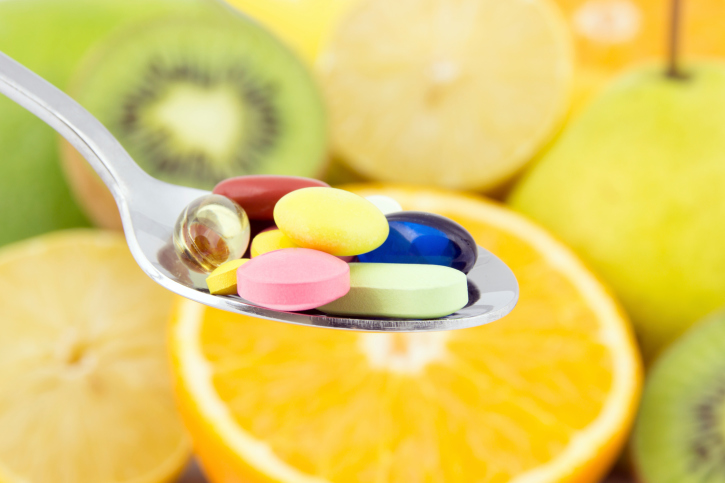
A recent study concluded that multivitamins don’t do much to help prevent cancer or heart disease in older women. But does this mean post-menopausal women should toss their multivitamins in the garbage? What about women who are menstruating and have different nutritional needs? Which vitamins do women need to be the most concerned about taking?
What’s important to know is that poor nutrition increases a woman’s risk for heart disease, cancer and diabetes. While there may be some controversy over just how important multivitamins are for older women, experts agree that healthy eating is the most important thing a woman can do to meet minimum daily vitamin requirements essential for good health.
But experts also recognize some value in supplements.
“Doctors prefer to recommend good food choices,” says Heidi Skolnik, MS, a nutrition consultant and nationally recognized writer, editor, and lecturer. “When it comes to preventing certain diseases, vitamins may not be a panacea. That said, women typically diet, and so there are often gaping holes in their nutrition that supplements may be able to help with.”
For many people, it’s become much harder than it was for previous generations to get vitamins naturally from what we eat and do. The reasons are a combination of how we grow food, how we eat, and how we live—not because food has suddenly become “empty.”
Here are the biggest reasons:
This is probably the biggest factor.
A typical diet today contains a much higher percentage of:
These foods tend to be high in calories but relatively low in vitamins, minerals, fiber, and beneficial plant compounds. As processed foods replace fruits, vegetables, legumes, nuts, and whole grains, overall nutrient intake drops.
Many fruits and vegetables are harvested early so they can survive shipping across the country or around the world.
While they continue to ripen after harvest, some nutrients—particularly vitamin C and certain antioxidants—can be lower than in produce that ripened on the plant.
Healthy soil is essential for healthy plants.
Modern farming practices can reduce organic matter and certain minerals in soil over time if not carefully managed. Farmers often replenish soil with fertilizers containing nitrogen, phosphorus, and potassium, but trace minerals vary by region and farming practices.
This doesn’t mean all produce is nutrient-poor, but the mineral content of crops can differ depending on where and how they’re grown.
Many fruits and vegetables are selected for:
These improvements have enormous benefits, but some research suggests that certain varieties may contain lower concentrations of some nutrients than older varieties because plants producing larger harvests can “dilute” nutrient concentration.
Fresh produce may spend:
Some vitamins—especially vitamin C and certain B vitamins—gradually decline during storage, while minerals remain relatively stable.
One nutrient that’s particularly affected isn’t food-related at all.
Many people:
As a result, many people have lower levels of vitamin D than previous generations who spent more time outside.
Consider adding the following nutrients to your diet:
• Calcium. A woman typically needs 1,000 to 1,500 milligrams of calcium daily, depending on her age. You can reach this daily requirement by eating or drinking dairy and soy products (preferably fat-free) or pure orange juice that’s been fortified with calcium, or by taking calcium supplements. As women age, their bone mass decreases. At this point, women need to be at the upper end of the daily calcium requirement to lower their risk of osteoporosis.
• Vitamin D. Sunlight triggers the development of vitamin D in your body, but as women get older they lose some of their ability to convert sunlight into vitamin D; without vitamin D your body can’t use calcium. Also, protecting yourself from skin cancer with sunscreen means shutting out the vitamin D you’d get from the sun. To compensate for this loss, older women might consider taking a multivitamin containing both vitamin D and calcium. To help you understand how much vitamin D you need each day, consider this: A glass of milk provides about 100 international units (IU) of vitamin D. If you’re over 50, you should be getting 400 IU. Over 70, you need 600 IU daily.
• Iron. If you’re still menstruating, you need to be sure you’re getting an adequate amount of iron in order to prevent anemia. “Food sources are a good starting point, but you may need supplements,” says Skolnik. You’ll find iron in meat, poultry, beans, eggs, and tofu. “It’s important to pair your iron-rich meals with foods that contain vitamin C, like orange juice or citrus fruits, because vitamin C helps increase iron absorption,” Skolnik says. If you are a woman past menopause you need less iron, so unless your doctor recommends an iron supplement, you should look for a multivitamin without iron.
• Folic acid. Women who are pregnant or trying to become pregnant need to get more folic acid; it has been shown that low levels of this B vitamin can lead to birth defects in the baby affecting the brain and spinal cord. In addition to supplements, folic acid can be found in orange juice, beans, and green vegetables, and in foods such as breads and flour that have been fortified with it.
• Beta-carotene. Skolnik says that antioxidants — cancer-fighting substances like beta-carotene and vitamin C — help defend your body against cell damage. “Food sources are best for beta-carotene, and they include carrots, apricots, papaya, cantaloupe, pumpkin, sweet potatoes, and mangoes.” In other words, look for the color orange when you’re in the produce aisle.
• B6 and B12. Like vitamin D, vitamin B12 is not processed as well by older women and may be one vitamin to consider taking in supplement form, perhaps through a multivitamin. Both B vitamins are very important as you grow older. “Vitamin B6 helps with red-blood cell formation and vitamin B12 helps with nerve-cell and red-blood cell development,” Skolnick says. For example, you can get a day’s supply of vitamin B12 by eating one chicken breast, one hard-boiled egg, a cup of plain low-fat yogurt or one cup of milk, plus one cup of raisin bran.”
• Omega-3 fatty acids. These acids have been shown to act like natural anti-inflammatory substances in the body. They may also be important in helping to keep your heart healthy. As a woman gets older, her levels of estrogen decline, and that puts her at greater risk for heart disease, Skolnik says. Fatty fish, like salmon and tuna, is a great source of omega-3 fats, and pure orange juice is often fortified with omega-3s. Or, she adds, “Taking fish oil capsules is an excellent way to make sure you target these important fats.”
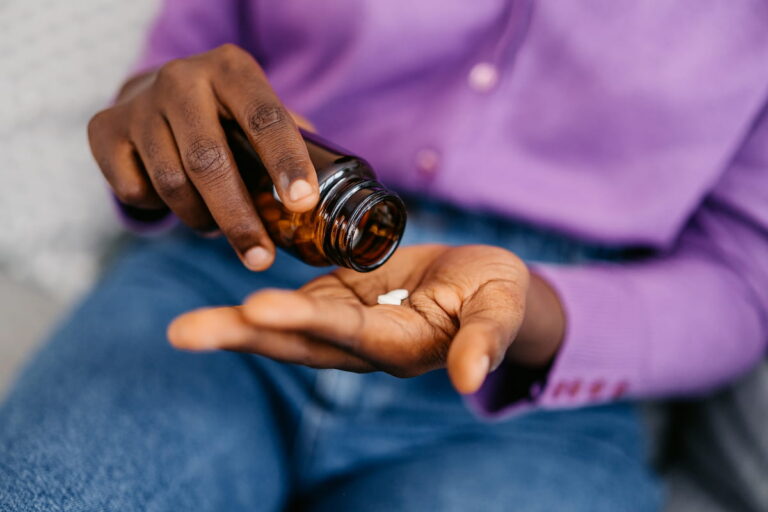
As stated before, although most nutritional needs can be met through a healthy, well-balanced diet, many women, especially older women, can still benefit from a good multivitamin.
When looking for multivitamins check to see that the bottle has a USP (United States Pharmacopeia) or DSVP (Dietary Supplement Verification Program) stamp. These organizations assure that the content claims on the label are true.
If you are an older woman, ask your doctor or pharmacist to make sure you’re getting enough calcium and vitamins B12 and D from your multivitamin, and not too much iron.
In general, most experts still believe that taking multivitamins is a good idea. “Clearly when it comes to calcium and vitamin D we all need additional supplementation. We can only eat so much dairy or fortified foods in a day. For the rest, a multivitamin may help to fill in the gaps that your diet can’t,” says Skolnik.


By subscribing, you consent to receive emails from BlackDoctor.com. You may unsubscribe at any time. Privacy Policy & Terms of Service.