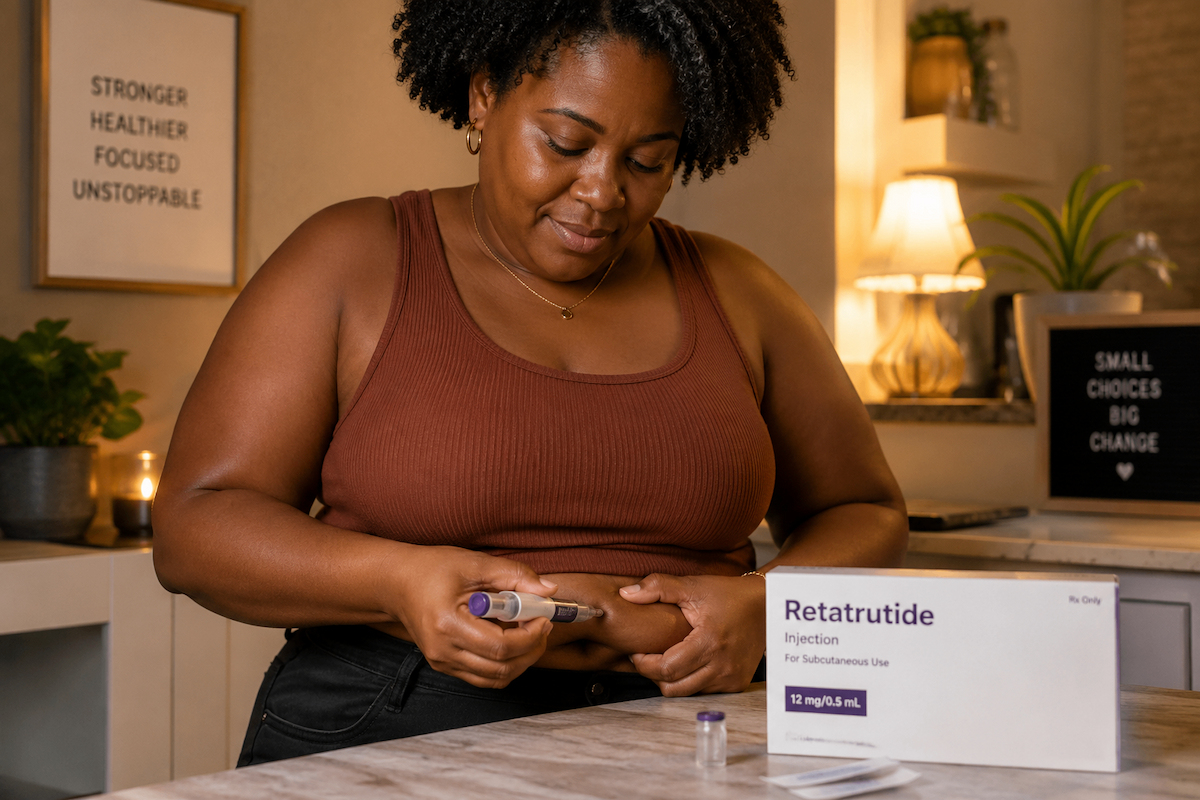
Could the next wave of weight-loss drugs rival surgery? A new experimental treatment is drawing attention after Phase 3 results showed that patients lost up to 28.3 percent of their body weight, one of the most significant reductions seen with an obesity medication to date.
These results point to great outcomes without going under the knife.
The drug, retatrutide, is a once-weekly injectable medication that works differently from popular weight-loss drugs such as Wegovy and Zepbound. While Wegovy targets one hormone pathway and Zepbound targets two, retatrutide activates three pathways: GLP-1, GIP, and glucagon receptors. Researchers believe this triple-action approach may help explain the drug’s impressive weight-loss results by enhancing appetite regulation, energy expenditure, and blood sugar control.
The Phase 3 trial included 2,339 adults living with obesity and at least one related health condition, such as high blood pressure or high cholesterol. After about 80 weeks of treatment, those taking the highest 12-milligram dose lost an average of 28.3 percent of their body weight. This translates to around 70 pounds. Nearly half of those participants lost at least 30 percent of their starting weight, while those who received a placebo lost only about 2 percent.
The results are especially significant because this level of weight loss has typically been achieved only through bariatric surgery. In fact, more than 45 percent of people taking the highest dose achieved weight-loss results similar to those commonly seen after surgery, highlighting the potential of a new generation of obesity medications.
RELATED: 8 Supplements to Avoid When Taking GLP-1 Medications
The findings may help Black Americans, who are 28 percent more likely to experience obesity and its accompanying health complications than any other U.S. adult. Black people are more likely than white adults to be diagnosed with hypertension, type 2 diabetes, and heart disease. Additionally, Black women have the highest obesity rates of any group.
Since the introduction of injectable weight loss medication, obesity in the US has dropped from 40 percent to 37 percent of the population. Simultaneously, diabetes diagnoses have reached an all-time high. Despite these findings, only 13 states cover the use of GLP-1s.

Because most state Medicaid programs do not cover GLP-1 medications for obesity treatment, longstanding disparities in access could persist if retatrutide reaches the market. Many of the states with the highest rates of obesity among Black adults also experience high levels of poverty and other social determinants of health that contribute to obesity. Yet, only two of those states — Virginia and Mississippi — currently cover GLP-1 medications through Medicaid.
While obesity is often framed as a matter of personal responsibility, experts stress that it is a complex chronic disease shaped by genetics, biology, stress, environment, access to nutritious foods, and longstanding healthcare inequities. For this reason, many researchers believe effective medications could become an important tool to help patients manage their weight and lower their risk of serious health complications.
Beyond significant weight loss, retatrutide may provide additional health benefits. Researchers are also studying whether it can reduce long-term cardiovascular risks and improve overall health outcomes. Earlier studies suggest it may improve conditions commonly linked to obesity, including knee osteoarthritis pain, obstructive sleep apnea, and blood sugar control.
RELATED: Considering Weight Loss Medication? Here’s How to Know Which One Is Right for You
Retatrutide has not yet received FDA approval, but its impressive Phase 3 results are expected to support future regulatory submissions. If approved, it could become one of the most effective weight-loss drugs available, offering a new option for millions of Americans living with obesity.


By subscribing, you consent to receive emails from BlackDoctor.com. You may unsubscribe at any time. Privacy Policy & Terms of Service.