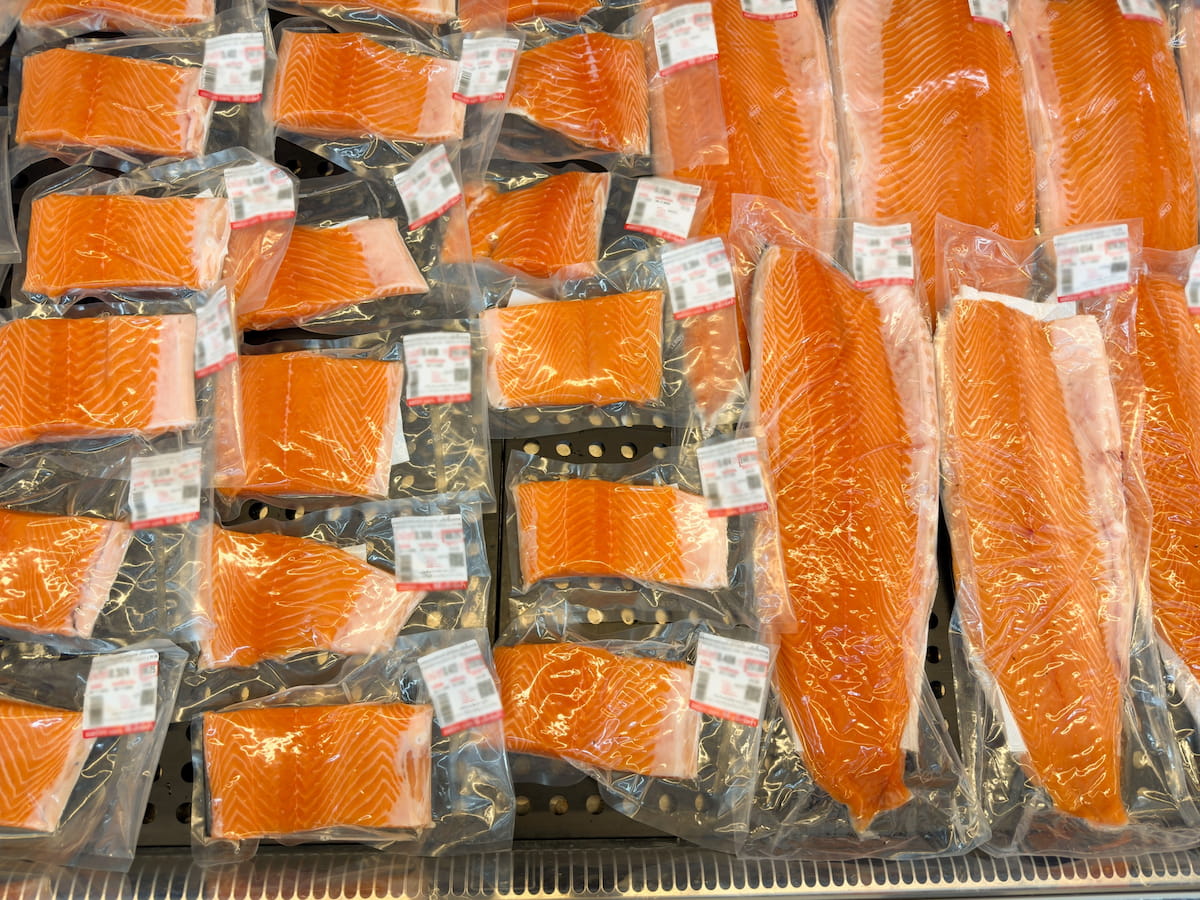
Figuring out which type of fish is healthier to consume – farm raised or wild caught – has left many feeling insecure or skeptical about the choices they make when going to the fish counter to make a purchase. The answer to this question isn’t straight forward, as it has many parts that contribute to which is actually the healthier choice.
Both farm-raised and wild-caught fish are low in saturated fat and high in omega-3 fats (“good” fats), but many often believe that wild-caught fish is healthier than farm raised because it comes from a natural source. In reality, there isn’t much of a difference in the nutritional content of farm-raised and wild-caught fish.
For example, both wild-caught and farm-raised trout are identical in number of calories, protein and most nutrients, however, there are minor differences between the two. Wild-caught trout has more calcium and iron, whereas farm-raised trout hasmore vitamin A and selenium.
Another main concern for those deciding between wild-caught and farm-raised fish is the high levels of mercury contained within certain fish. The fish that pose the biggest concern for high levels of mercury are swordfish, king mackerel, tilefish, shark and tuna – these are all wild caught. Catfish, tilapia and salmon, which are all common farm-raised fish, contain low levels of mercury.
There are many who believe that farm-raised fish are genetically modified or enhanced with hormones, but this is far from the truth. According to Linda O’Dierno, an Outreach Specialist for the National Aquaculture Association, “U.S. regulations prohibit the use of hormones or antibiotics to promote growth in farm raised fish.”
However, this isn’t the case for other countries. As a matter of fact, over 90 percent of the fish consumed within the U.S. is farm-raised fish that is produced in other countries. The U.S. raises only 2.5 percent of all farm-raised fish produced in the world and tends to be more expensive because of the regulations under which the fish are raised.
Some Farm-Raised Tilapia May Be As Bad As Bacon
Wild-caught fish are harvested from oceans, rivers, lakes, or other natural bodies of water. People often choose wild-caught fish if they want:
Wild fish eat what they naturally find in the environment, such as algae, plankton, and smaller fish. Many consumers feel this creates a more “natural” product.
Wild-caught fish are typically lower in total fat because they swim long distances and live in more demanding environments.
Examples:
This can appeal to people focused on:
Wild fish often have:
Food enthusiasts and chefs frequently prefer wild fish for premium meals.
Some people avoid fish farms because they worry about:
Though modern aquaculture has improved significantly, some consumers still prefer the environmental and health perception of wild fish.
Some wild species naturally contain very high omega-3 levels, which support:
Excellent examples include:
Farm-raised fish are raised in controlled aquatic environments. People Often Choose farmed-raised fish if they want:
Farmed fish are often:
This makes them attractive for families or people eating fish regularly.
Farmed fish often have:
This can be better for people who:
Some farmed fish contain more fat overall — including omega-3 fats.
For example:
Certain wild fish populations are under pressure from overfishing. Some consumers choose responsibly farmed fish to reduce strain on wild ecosystems.
Best examples of responsibly farmed options:
Restaurants and grocery stores can often provide:
That matters for meal planning and cooking consistency.
People often lean toward wild-caught when:
Great wild-caught choices:
People often lean toward farm-raised when:
Good farm-raised choices:
When it comes to determining which type of fish is best to purchase and consume, nutritional content, price, safety and sustainability all come into play. One of the best ways to know if the sources from which the fish you are about to purchase is safe is to consult the website of the Seafood Watch program at the Monterey Bay Aquarium. They keep track of evolving industry practices and environmental issues all over the world, and you can learn the region from which the fish is imported, how it was raised and under what regulations. There is also a smartphone app available for consumer’s convenience and even a printable guide that can fit in your wallet to use on the go.
Visit the BlackDoctor.org Food center for more articles.


By subscribing, you consent to receive emails from BlackDoctor.com. You may unsubscribe at any time. Privacy Policy & Terms of Service.