
With the busyness of the day, it’s easy to overlook the loads of Tupperware filled with leftovers sitting on the shelves of your fridge. You may not think about tossing out the meat you wrapped in aluminum foil a week ago until that awful smell hits your nose when you open the refrigerator door.
The reality is that many of the foods you love have gone bad well before there’s a stench or before the green fuzz starts to grow on your cheese. With food costs rising, it can be tempting to keep food months past its expiration date. Eating foods that have been in your refrigerator for far too long can harm your health.
Most people don’t have a problem with properly storing food in the fridge, but the appropriate time to toss it is what causes debate. If you’re wondering what to toss and when, here are five common refrigerator items that could be harming your health.

Deli meat is a fan favorite because it gives you all the flavor and protein you’d get from a freshly baked turkey or ham without all the work. However, prepacked deli meat is highly processed and contains high amounts of sodium and nitrates to preserve it. Not only does deli meat increase your risks for hypertension, diabetes, heart disease, and cancer, but it may also contain Listeria from cross-contamination during processing.
If you get deli meat cut fresh from the deli, or slice your own at home, you can keep it refrigerated for about five days. Unopened prepackaged lunch meat can be stored in the refrigerator for up to two weeks, but once you eat the first slice, you have up to five days before it’s time to toss it.
RELATED: 9 Common Household Items You Didn’t Know Expired
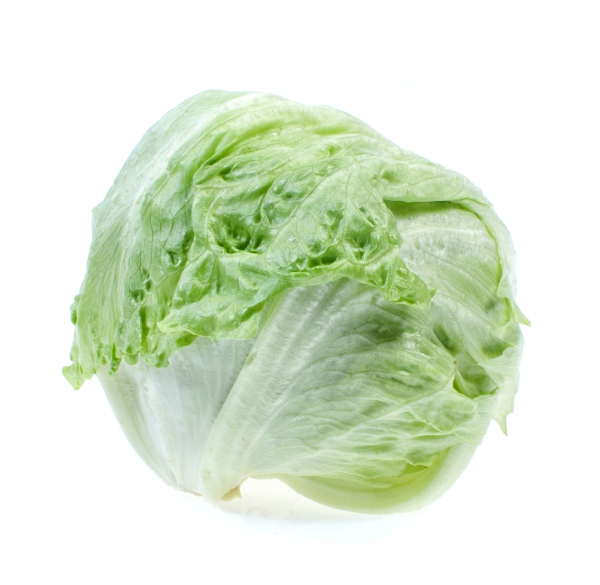
Lettuce and leafy greens are a great way to add low-calorie nutrients to your salads, wraps, and sandwiches. Romaine is a popular choice that provides Vitamin A, Vitamin K, and folate, while kale provides Vitamins A, C, and K and calcium. As healthy as these options are, there’s a reason you frequently hear about them being recalled.
Low-growing lettuce and leafy greens are an easy target for E. coli to thrive. Contaminated water can easily reach the edible parts of lettuce and leafy greens. Unlike other foods, lettuce and leafy greens are consumed without cooking, so it’s important to know when to throw them out.
You may think lettuce is safe to eat as long as it hasn’t started wilting, but if it’s past the date on the bag, toss it. A head of lettuce is good for up to three weeks in your refrigerator, while a bag of spinach is good for about seven days. If you decide to pre-cut your lettuce, it’s only good for about 3 days. To preserve your lettuce, don’t wash it until you are ready to eat it.
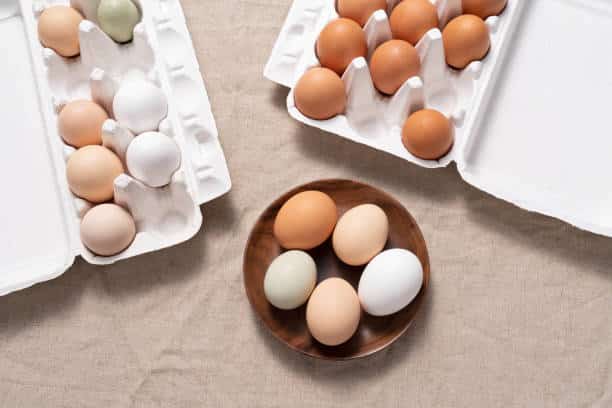
Whether you like them hard-boiled, scrambled, or sprinkled throughout your salad, eggs are a convenient source of protein, vitamins, and minerals. Eggs are often prepared ahead of time for those who like to eat on the go.
However, eating a bad egg puts you at risk for Salmonella poisoning, a type of food poisoning that can cause fever, cramps, diarrhea, and vomiting. Salmonella can grow on the shells, yolks, and whites of eggs.
Knowing when to throw your eggs out can help you avoid several trips to the bathroom and in severe cases, a trip to the emergency room. A fresh carton of eggs can last for up to three weeks in your refrigerator, while hard-boiled eggs can only last for a week. If an eggshell is cracked, you should discard it right away. If the egg carton has an expiration date, you should not keep your eggs past that time.

For some, cheese is a special added ingredient for breakfast, lunch, and snacks. From sharp to mild, from Parmesan to feta, cheese comes in a variety of flavors and textures to satisfy the taste buds of all cheese lovers. Large portions of cheese are high in calories, but a serving size can give you a good amount of protein and calcium.
No matter how much you love cheese, eating moldy cheese is never a good idea. Mold can contain several bacteria that cause food poisoning, such as E. Coli, Listeria, Salmonella, and Brucella. Mycotoxins produced by mold have been linked to immune system problems and even cancer.
Hard cheeses like Parmesan and Asiago can last in your refrigerator for up to four months unopened. After you slice or shred your first piece, it’s time to chuck it after three weeks. Soft cheeses like cream cheese and gorgonzola can last for up to three weeks before opening, but only two weeks after opening.
RELATED: The 7 Most Dangerous Leftovers to Reheat Are…
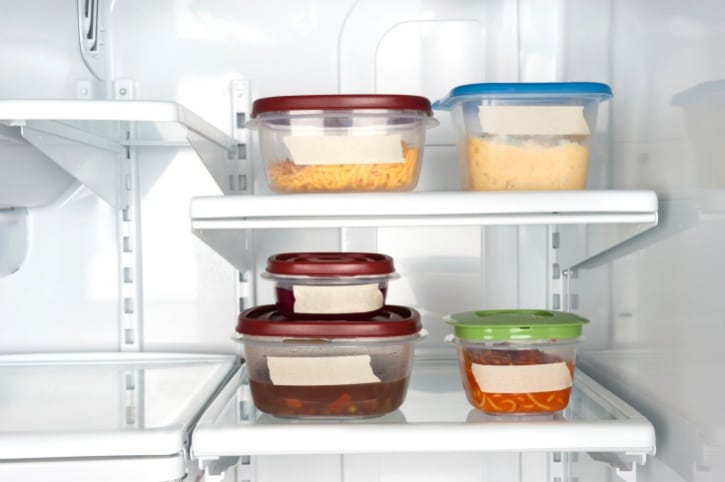
Undoubtedly, the price of some of your favorite meats have skyrocketed, so storing leftovers in your fridge seems like the logical thing to do. For meat-eaters, chicken, cuts of beef, pork, and fish are the main staples of protein, Vitamin B-12, omega-3s, and other nutrients.
Spoiled meat can contain Salmonella, Staphylococcus, E. coli, and Clostridium, which cause food poisoning symptoms and gastrointestinal issues if you consume it.
RELATED: Why Taking Leftovers Could Be Harmful To Your Health
If you have fresh chicken, fish, or turkey, you can keep it in the fridge for up to two days. Cooked poultry and fish can be stored in your fridge for up to three days. Fresh beef, lamb, and pork can stay in the fridge for three days, but if cooked, they can stay for four days.
To avoid illnesses from eating food that has been in your fridge for too long, be sure to eat leftovers as soon as possible, check expiration dates, and clean out your refrigerator regularly. Eating the last slice or piece of anything isn’t worth your health. If you’re ever in doubt, you should toss it out!
 Dr. Candace McMillon-Dantley is on a mission to inspire and educate women to health. She is the creator of The Doc Knows, a health and wellness site for women and author of “Woman, Take Off Your Cape”. When she’s not health writing, she is health motivating and educating through presentations on healthy nutrition, self-care, and conditions of the body. Her experiences as a business owner, chiropractor, wife and mom of two resonate with all women. Connect with Dr. Candace on Instagram @drcandace.


By subscribing, you consent to receive emails from BlackDoctor.com. You may unsubscribe at any time. Privacy Policy & Terms of Service.