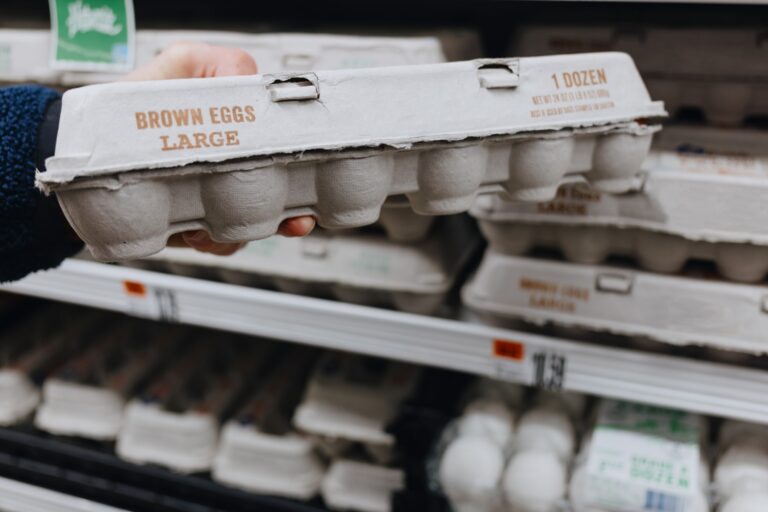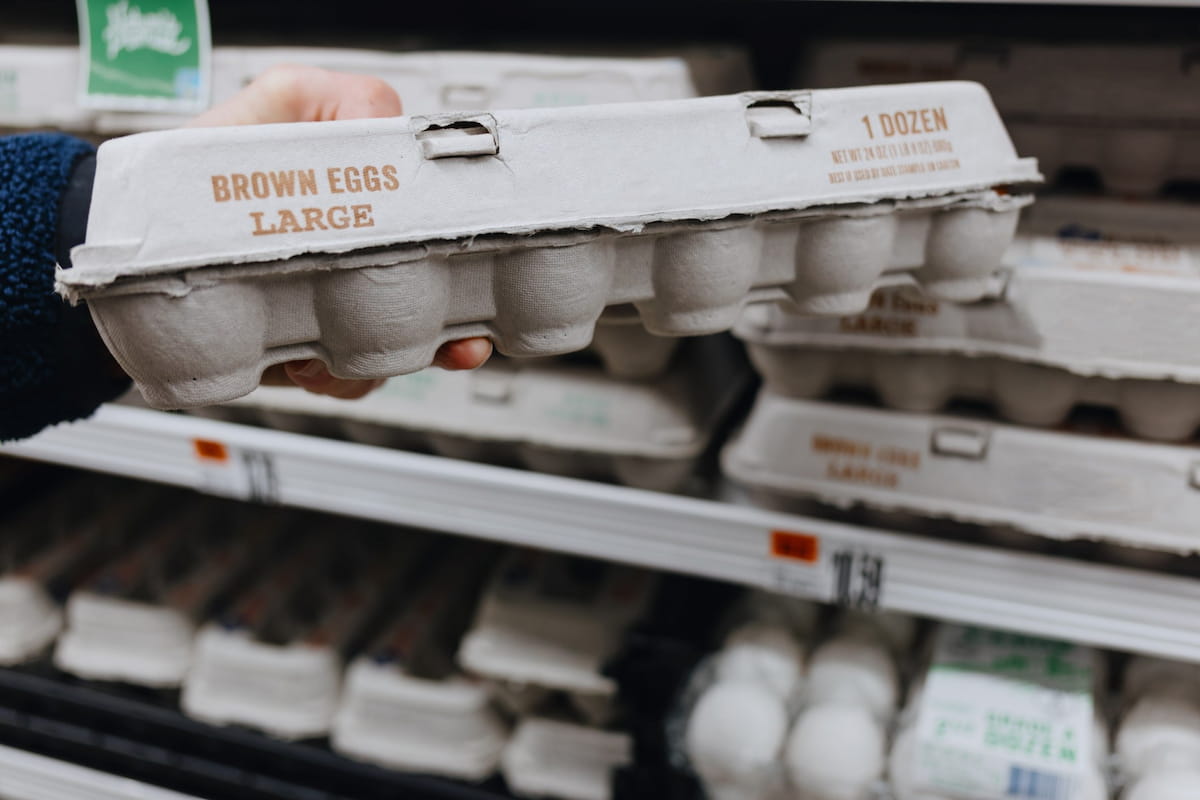
Millions of eggs sold across several Southern states are being recalled after routine environmental testing detected the possible presence of Salmonella Enteritidis, a bacteria that can cause serious foodborne illness. Although no illnesses had been reported at the time the recall was announced, health officials are urging consumers to check their refrigerators and avoid eating any eggs included in the recall.
The voluntary recall, issued by Midwest Poultry Services, affects approximately 1.59 million dozen eggs (more than 19 million individual eggs) produced at two Texas farms. The eggs were distributed between June 6 and July 3, 2026, and sold through grocery stores, foodservice distributors and retailers in Texas, Oklahoma, Arkansas, Louisiana, New Mexico and Mississippi.
The recalled eggs include white shell and brown cage-free varieties sold under several brands, including products available at Kroger, Brookshire Grocery stores and other regional retailers.
Consumers should check for:
If your carton matches these codes, do not eat the eggs. Instead, throw them away or return them to the retailer for a refund. Be sure to wash and sanitize any refrigerator shelves or containers that may have come into contact with the eggs to reduce the risk of cross-contamination.
Salmonella Enteritidis is one of the most common causes of food poisoning in the United States. Infection typically develops within 6 hours to 6 days after eating contaminated food.
Common symptoms include:
Most healthy adults recover within a week. However, young children, older adults, pregnant women and people with weakened immune systems face a higher risk of severe illness. In rare cases, the bacteria can spread into the bloodstream and become life-threatening.
Not every bad egg is contaminated with bacteria, and not every contaminated egg looks spoiled. In fact, eggs carrying Salmonella often appear perfectly normal, making recalls especially important.
Still, there are several signs that an egg has gone bad:
A spoiled egg has an unmistakable sulfur or rotten odor. If you notice this smell after cracking an egg, throw it away immediately.
Avoid eggs with:
Damaged shells can allow bacteria to enter the egg more easily.
Fresh eggs generally have:
Spoiled eggs may have:
Place the egg in a bowl of cold water.
Keep in mind that the float test only measures freshness—not whether an egg contains Salmonella. Even a fresh-looking egg can be contaminated.
If you recently used recalled eggs, what you should do depends on how the eggs were prepared.
Recipes like baked casseroles, fully baked cakes or thoroughly cooked scrambled eggs are less likely to pose a risk because Salmonella is generally killed when foods reach an internal temperature of 160°F (71°C).
Foods such as:
carry a higher risk if recalled eggs were used.
If you still have leftovers made with recalled eggs, it’s safest to throw them away rather than take the chance.
If recalled eggs touched countertops, bowls, utensils or cutting boards:
Cross-contamination can spread bacteria to foods that won’t be cooked.
Most cases of salmonella resolve without treatment, but medical care is recommended if you experience:
People at higher risk—including infants, adults over 65, pregnant women and anyone with a weakened immune system—should contact a healthcare provider promptly if symptoms develop after eating recalled eggs.
Food recalls can be alarming, but acting quickly can help protect you and your family. Check the plant codes and dates on any eggs currently in your refrigerator. If they match the recall, don’t eat them—even if they look and smell normal. Dispose of them or return them for a refund, sanitize any surfaces they contacted and monitor for symptoms if anyone has already consumed them. Because Salmonella often cannot be detected by sight or smell alone, following recall guidance is the safest course of action.

By subscribing, you consent to receive emails from BlackDoctor.com. You may unsubscribe at any time. Privacy Policy & Terms of Service.