For many men, an annual physical feels like something you do when a job requires it, your partner reminds you, or a health scare finally gets your attention.
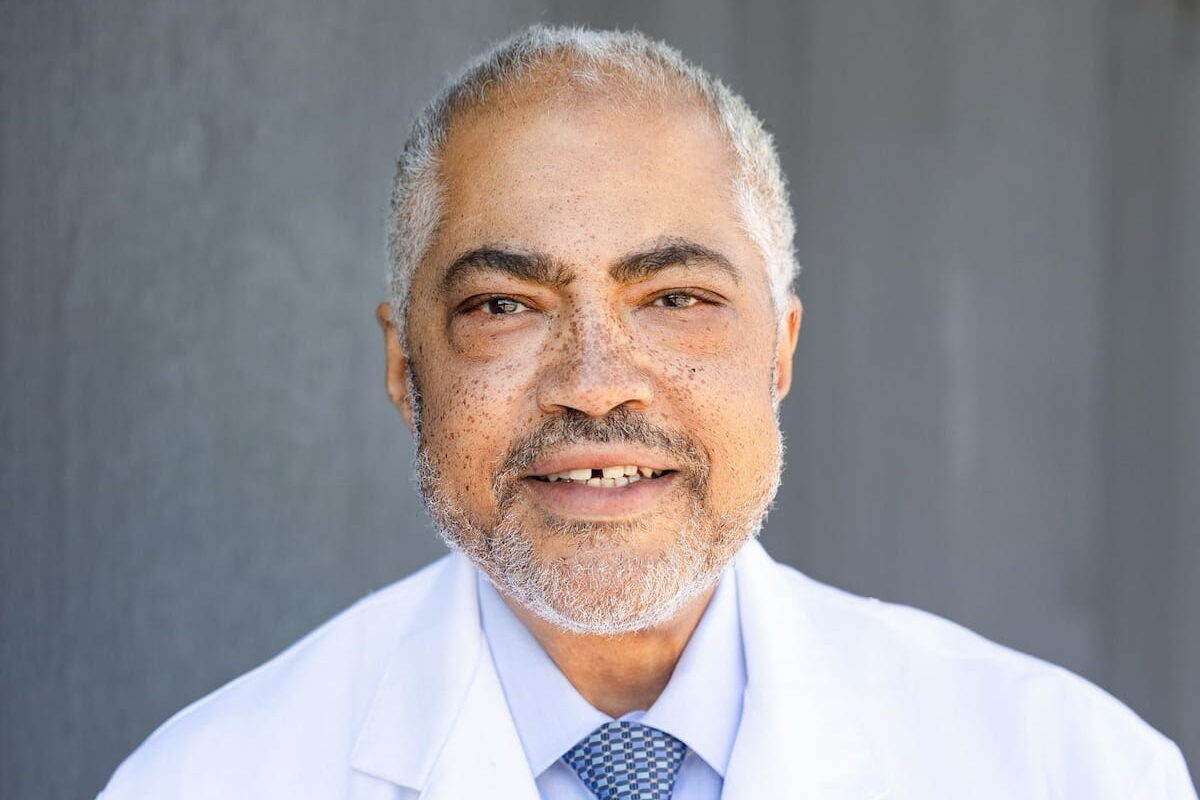
But according to Dr. Arthur Burnett, MD, MBA, FACS, a world-renowned urologist at Johns Hopkins, an annual checkup isn’t just about finding problems. It’s about understanding your health before a crisis happens.
“Preventive healthcare is about protecting your future, not just treating disease after it appears,” Dr. Burnett tells BlackDoctor.
That’s especially important for Black men, who face higher risks for conditions including hypertension, diabetes, cardiovascular disease, kidney disease, and prostate cancer.
The good news? You don’t have to walk into your appointment wondering what to ask.
Think of this article as a cheat sheet for your next doctor’s visit.
Save it, take a screenshot of it, email it to yourself, or bring it with you to your appointment.
These are the questions Dr. Burnett says can help Black men have more productive conversations with their doctors, better understand their health risks, and catch potential problems before they become bigger issues.
Because one of the most important parts of preventive care isn’t just showing up, it’s knowing what to ask once you’re there.
“Black men should understand that they carry a disproportionately higher risk for prostate cancer, including more aggressive disease and earlier onset in some cases.”
“My practical advice is this: do not avoid the conversation. Understanding your baseline PSA and discussing your personal risk with your physician is an important part of preventive care.”
Prostate cancer is one of the most important health conversations Black men can have with their doctors. The disease often develops quietly, meaning symptoms may not appear until it has already progressed.
Knowing your personal risk can help determine when screening should begin and how closely you should be monitored.
Many men assume PSA testing automatically leads to treatment.
Not necessarily.
As Dr. Burnett explains, prostate care today is much more individualized. Depending on the findings, some men may simply be monitored over time. The biggest mistake is avoiding the conversation altogether.
RELATED: 17 Embarrassing Men’s Health Questions…Answered!
“Black men should specifically ask: How are my blood pressure, cholesterol, and blood sugar levels affecting my long-term heart health?”
Most people focus on whether their numbers are “good” or “bad.” A better question is what those numbers mean for your future.
Blood pressure, cholesterol, and blood sugar can offer early clues about your risk for heart disease, stroke, and diabetes—conditions that disproportionately affect Black communities.
If your doctor says your results are normal, ask one more question:
“What should I be paying attention to moving forward?”
Understanding trends in health can be just as important as understanding today’s results.
RELATED: Natural Treatments for High Cholesterol
“Many conditions that disproportionately affect Black men, including hypertension, diabetes, cardiovascular disease, and prostate cancer, often develop quietly before symptoms appear.”
“Preventive care works best before symptoms emerge.”
You shouldn’t have to wait until something feels wrong to find out something is wrong.
Screenings help identify risks and conditions before they begin affecting your quality of life.
Many men assume testing is only necessary once symptoms show up.
But by the time symptoms become obvious, a condition may already be advanced.
Annual physicals are designed to catch problems early, not after they’ve become emergencies.
RELATED: Black Men Aren’t Superman: Health Screenings For Black Men at Any Age
“Men frequently dismiss fatigue, urinary changes, erectile dysfunction, poor sleep, chest discomfort, and low energy.”
“These symptoms can signal underlying cardiovascular disease, diabetes, hormonal imbalance, or prostate issues.”
“Erectile dysfunction, in particular, may sometimes serve as an early vascular warning sign.”
Your body often sends warning signs long before a major health issue develops.
Changes in sexual function, energy levels, or urinary habits may feel unrelated, but they can sometimes point to larger health concerns.
One of the most common mistakes men make is assuming every new symptom is simply part of getting older.
If something has changed, bring it up. You are not bothering your doctor. That’s exactly what annual physicals are for.
RELATED: Can You Have Heart Disease Without Symptoms? Yes, Here’s What to Look Out For
“What lifestyle changes would have the biggest impact on my health right now?”
Most men already know they should eat better, exercise more, sleep longer, and manage stress.
The challenge is figuring out where to start.
This question helps your doctor prioritize the one or two changes that will make the biggest difference based on your personal health profile.
You don’t have to transform your entire life overnight.
Sometimes lowering blood pressure, improving sleep quality, increasing physical activity, or reducing sugar intake can create meaningful improvements across multiple areas of health.
RELATED: 5 Lifestyle Changes That Will Make You Look Younger
“Men should understand their blood pressure, cholesterol, blood sugar levels, kidney function, weight trends, and PSA (Prostate-Specific Antigen) levels when appropriate.”
“Rather than focusing only on whether results are ‘normal,’ men should understand what those numbers mean for their future health and disease risk.”
Too many people leave appointments with a copy of their lab results and no real understanding of what they mean.
Your numbers tell a story about where your health is today—and where it may be headed.
If something isn’t clear, ask.
Your appointment isn’t over until you understand what your doctor is telling you.
RELATED: What Black Doctors Notice Before Conditions Turn Serious
“Family history is critical because it helps identify risks for conditions like prostate cancer, heart disease, diabetes, and hypertension.”
“Many men do not know enough about their family’s medical history, but that information can directly affect screening recommendations and early detection strategies.”
Your family history is one of the most valuable health tools you have.
Knowing what conditions affected your parents, grandparents, siblings, aunts, and uncles can help your doctor identify risks earlier and recommend appropriate screenings.
Ask relatives about major diagnoses, chronic illnesses, and causes of death when possible.
Those conversations may feel uncomfortable, but they can provide information that helps protect your future health.
RELATED: 3 Things Your Family History Could Tell You About Your Future
“We increasingly see stress and poor sleep contributing to hypertension, fatigue, weight gain, anxiety, low libido, and worsening chronic disease.”
“Mental and physical health are deeply connected. Chronic stress is not just emotional—it has real physical consequences.”
Stress doesn’t just affect your mood. It affects your entire body.
Over time, poor sleep and chronic stress can contribute to weight gain, high blood pressure, fatigue, decreased sexual health, and increased risk for chronic disease, especially for Black men.
Burnout doesn’t always feel like burnout.
Sometimes it looks like exhaustion.
Sometimes it looks like irritability.
Sometimes it looks like high blood pressure.
If you’re struggling with sleep, stress, or mental health, bring it up. It’s a health issue, not a personal weakness.
RELATED: Want Better Sleep? Try the 7:1 Sleep Rule
If Dr. Burnett could leave Black men with one message before their next annual physical, it’s this:
“Preventive healthcare is about protecting your future, not just treating disease after it appears.”
Annual physicals aren’t just routine appointments. They’re opportunities to understand your risks, ask better questions, catch problems early, and make informed decisions about your future.
And sometimes the most powerful thing you can do for your health is simply start the conversation.
Arthur L. “Bud” Burnett II, MD, MBA, FACS, is a globally recognized urologist, educator, and researcher who has served at Johns Hopkins University for more than 40 years. He is the Patrick C. Walsh Professor of Urology, Director of the Male Consultation Clinic, and Professor of Oncology.

By subscribing, you consent to receive emails from BlackDoctor.com. You may unsubscribe at any time. Privacy Policy & Terms of Service.