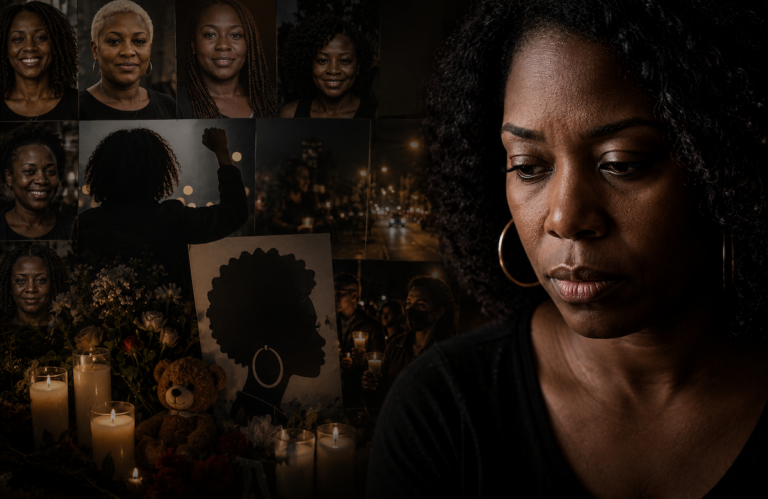
We are inordinately challenged as we age with diabetes and the consequences of that, the vascular disease that is a consequence of diabetes, poor cholesterol, obesity, smoking, inflammation, and stress. And people forget about the stress piece. The institutional racism is a daily stressor that causes increased cortisol levels, which causes all kinds of problems handling your blood sugar and your blood pressure, and all of these things that make chronic illnesses much more dangerous and much more common in Black people, period, not just as we age. If you don't manage the consequences of the social determinants that increase vascular disease in our country, if you don't have good management of heart disease, and strokes, and obesity, and diabetes, you shorten lifespan.
And it's not just the fact that we die earlier than other people, 'cause we do. The data show that Black folks don't have the kind of life expectancy that white folks have, but it also decreases quality of life. You have people who have to decide whether they're gonna eat or breathe at the same time because their hearts, instead of beating like that, are doing this, and they're not pushing out enough blood. Or people who have strokes and bleed into their heads, and even though they don't necessarily die, they live disabled. So we are missing magic. We are missing years of contributions.
We are missing years of wisdom that we can impart to the generations coming behind us because our life expectancy, and our healthy life expectancy, is less.
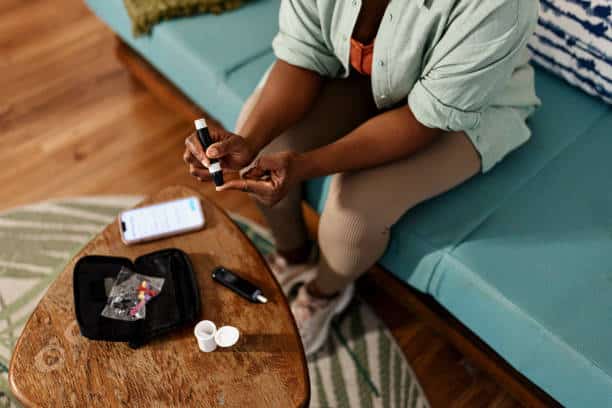
When your blood sugars are too high, and even when it's just your insulin levels, even if your blood sugar is normal, but if you have what's called insulin resistance, where your body is sending out enough insulin to beat your muscles and everything into decreasing your blood sugar, it makes inflammation more of a problem and allows deposition of cholesterol and other kinds of products of inflammation in the blood vessels to block those blood vessels. And when those blood vessels are blocked, you don't get enough blood to your brain, your heart, your nerves, your kidneys, and that's what causes the problem.
So we need to work on ways to change these social determinants so that we can give people the tools they need to eat more healthy, to move more efficiently. And again, we're the cavalry that we're waiting for, and it doesn't just have to be the churches. It's the sororities and fraternities. It's the VFWs. It's the community-organizing people. We can do this while we're waiting for the government to change. The most important factor in managing chronic conditions is to do what I call the level of care prescription, and I've developed this. It's ten questions. The first five questions outline the care problem.
It's like, what's wrong with this person? Why is it wrong? How much is fixable? How do we fix what we can fix, and what do we do with the rest of it? The second five questions define the care plan. Well, what kind of care does this person need? Like, do we need them to have sixty thousand medicines and wound changes, or does the Can the grandson just come up and write bills twice a week?
You know, what kind of care? Well, how much care, and how often do they need care? And then the fourth question, I think, fourth of the second half of the questions, is most important: How long do we have to do this for? Because this is where physicians fail families. Now, we don't know how long a disease is going to last, but we do know what the consequences are and what the natural history is, and we know that this chronic condition, whether it's lung disease, heart disease, kid- kidney disease, arthritis, whatever it is, is not gonna get fixed with a shot of penicillin.
So we need to let families know that their care responsibilities are gonna last for the rest of this person's life and that they're likely to increase. And if we told people that, they might make more informed decisions. I mean, a family can do anything for six weeks. My mother was sick for ten years. So if people know that this is gonna be an ongoing issue, and that it's gonna get re, reevaluated, and it's gonna change My level of care prescription can be done at any point in somebody's care plan so that we figure out, what do they need now, and how do I get it now? What's- since the change has happened.
The last question is, how much education does the caregiver need to have? Do I need a registered nurse at the bedside twenty-four hours a day, or can the granddaughter come up and bake a couple of days? I mean, we need to be specific about what people need at each stage of their chronic illness so that we can get the right resources and keep them out of the hospital.
Because hospitals are not safe for people. You get infected with things we can't cure. You have medication errors. You have delirium or confusion that comes from medications or illness or whatever, and you have falls. If you can keep somebody out of the hospital, that's really important, and unfortunately, what we do as hospital clinicians is we decide nursing home, nursing home, nursing home, nursing home.... and then people go home from the nursing home and get sick and come back, 'cause we haven't really figured out what they need. So the level of care prescription, if you ask these 10 questions at whatever point you're seeing the person, you can decide what's the best care that they can get that they- to keep them out of the hospital.
It's always important to be in front of something rather than playing catch-up, and I think it's important, particularly for caregivers, to be able to say, "What will I do if something happens?" So that you don't get blindsided. So that's why you need to have a partnership with a strong primary care team that can help you with the surveillance. What are we watching for? What are we worried about? How do we get there early enough to intervene before they get so sick that we have to take them to the hospital? That's really important, is to be on the front end, and what that means, again, is care coordination.
When you come away from your doctor's office, you need to know not only what the medications are for, what side effects you're looking for, but also, what's the doctor worried about?
How high do I let the blood pressure get before I call or before I change the medicine in this way? You're a partner. Caregivers are partners, and you're the first line of defense. So you need to ask, "What should I be worried about?" For example, if you have somebody with congestive heart failure, you're weighing them every day, and if they gain X number of pounds in X number of days, you have a specific way to respond, and that makes you a partner in the care team. So getting ahead of something, you're much more likely to have a good outcome than if you're trying to fix it once it's broken.