
YOUR PATH TO BETTER BREATHING

Our Pulmonology Services
At Your Health, we understand that breathing is vital to your life. Our Pulmonology medicine team is dedicated to providing you with the best care, right where you are.


Breathe Easier, Live Happier.
At Your Health, our Pulmonology team specializes in diagnosing and managing respiratory conditions. Our board-certified specialists and Nurse Practitioners provide full-service care tailored to your needs. From asthma management to treatment for chronic obstructive pulmonary disease (COPD), we cover all your pulmonary health requirements.
We know that getting to a clinic can be difficult, especially for those needing ongoing care. That’s why we give you the option of bringing our services to you, ensuring you receive the quality attention you deserve without the hassle.
Why Lung Health Matters
Breathing is something most people take for granted until it becomes difficult. Lung health plays a critical role in overall well-being, energy levels, and quality of life. Pulmonology is the medical specialty focused on diagnosing and treating conditions that affect the lungs and respiratory system. This includes how the lungs work, how oxygen moves through the body, and how breathing supports daily activity and long-term health.
As people age, or as chronic conditions develop, lung function can change. Environmental exposure, infections, and lifestyle factors can also impact respiratory health. At Your Health, our pulmonology doctors and providers focus on identifying breathing concerns early and providing care that helps patients stay active, comfortable, and informed. Through comprehensive evaluation and ongoing management, pulmonology care supports symptom relief and long-term lung health.
Diagnostic Tools & Tests in Pulmonology
Accurate diagnosis is essential to effective respiratory care. Pulmonology evaluations at Your Health may include a range of diagnostic tools designed to assess lung function, airflow, and oxygen exchange. These tests help identify the cause of symptoms and guide treatment decisions.
Common diagnostic tools include spirometry and other lung function tests, which measure how much air the lungs can hold and how well air moves in and out. Imaging studies such as chest X-rays or CT scans may be used to evaluate lung structure or detect inflammation, infection, or scarring.
Sleep studies may be recommended when breathing problems occur during rest or disrupt sleep quality. Oxygen levels may also be monitored at rest and during activity. These diagnostic tools allow providers to track changes over time and adjust care plans as needed, ensuring patients receive targeted and informed respiratory care.
Treatment Approaches & Personalized Care Plans
Pulmonology care at Your Health is tailored to each patient’s diagnosis, symptoms, and daily needs. Treatment plans often combine medication management with education and long-term monitoring to support consistent breathing and reduce flare-ups.
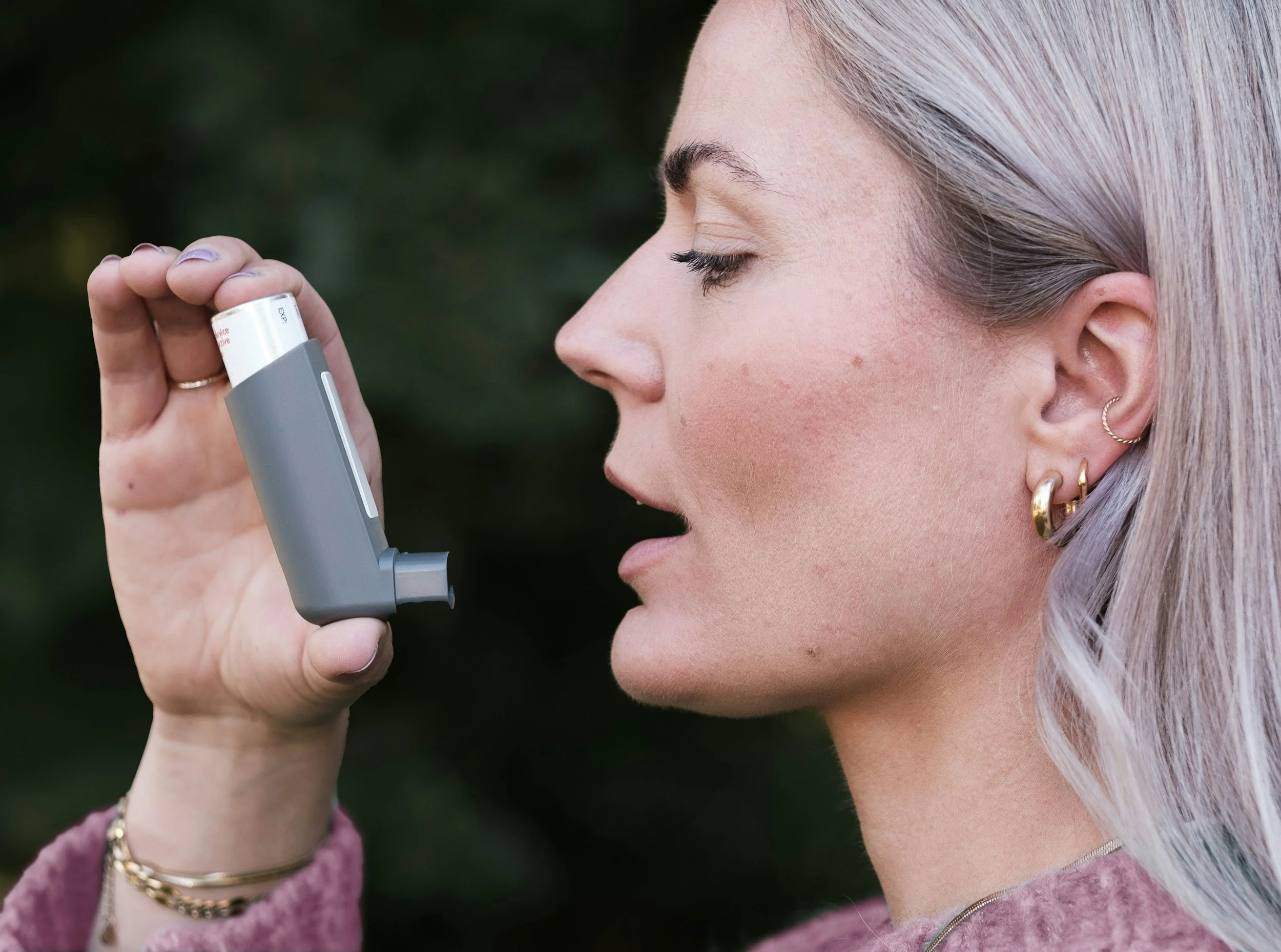
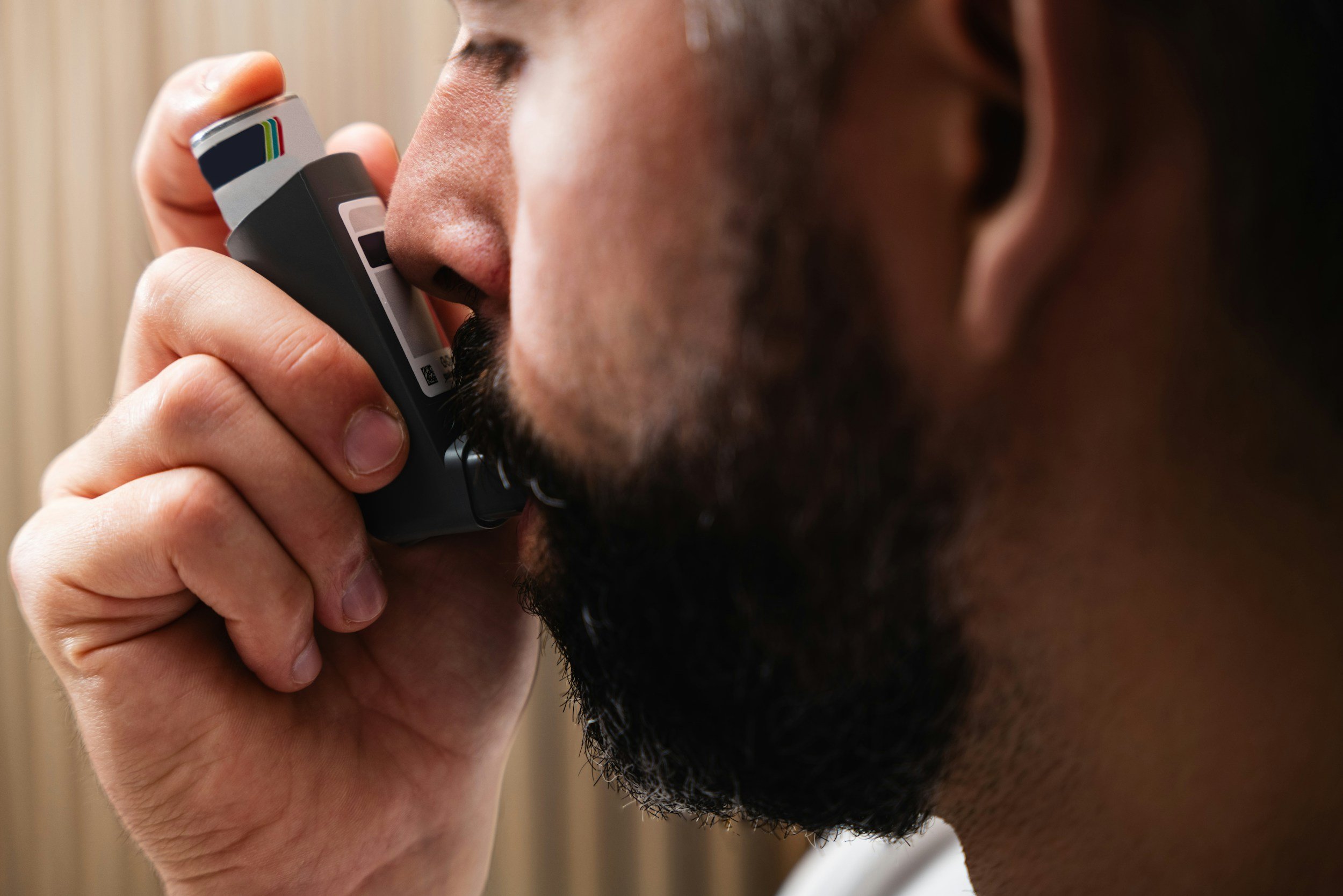
Medication may include inhalers, oral therapies, or nebulized treatments, with clear guidance on proper use. Education plays a key role, helping patients understand how and when to use medications effectively. Pulmonary rehabilitation may be recommended to improve endurance, breathing technique, and physical activity tolerance.
Some patients may benefit from oxygen therapy or remote monitoring to track symptoms between visits. Telehealth follow-ups can support ongoing care and medication adjustments without unnecessary travel. For patients with more complex needs, care may involve coordination with a critical care specialist or providers trained in pulmonary critical care, ensuring continuity across care settings. The goal is to create practical, personalized plans that support daily life and long-term respiratory stability.
When to See a Pulmonologist
Some respiratory symptoms may signal the need for specialized evaluation. Patients are often referred to a pulmonologist by their primary care provider, but direct consultation may also be appropriate when symptoms persist or worsen.
You may benefit from pulmonology care if you experience ongoing shortness of breath, chronic cough, wheezing, chest tightness, or frequent respiratory infections. Difficulty breathing during activity or sleep, unexplained fatigue, or declining exercise tolerance are also common reasons for referral.
Pulmonology care may be recommended when respiratory symptoms interfere with daily life or do not improve with initial treatment. Early evaluation can help identify concerns sooner and reduce the risk of complications. Clear diagnosis and targeted care support better symptom control and long-term outcomes.
Living Well With a Respiratory Condition
Living with a respiratory condition often involves more than medical treatment alone. Daily habits, environment, and lifestyle choices play an important role in managing symptoms and protecting lung health over time.
Patients are encouraged to follow medication plans closely, avoid known triggers, and maintain regular follow-up care. Smoking cessation is one of the most impactful steps for protecting lung function, along with reducing exposure to irritants such as dust, chemicals, or poor air quality.
Physical activity, when appropriate, can help strengthen breathing muscles and improve endurance. Learning proper breathing techniques and pacing can also reduce shortness of breath during daily tasks. Nutrition, hydration, and sleep support overall health and recovery. With education and support, many patients are able to manage respiratory conditions effectively and maintain active, fulfilling lives.

Meet Our Pulmonary Specialists
Get to know the dedicated experts leading your care at Your Health. Our pulmonologists use innovative techniques and personalized approaches to treat and prevent heart conditions. Discover more about each specialist by clicking on the images below.



Living Well With a Respiratory Condition
Living with a respiratory condition often involves more than medical treatment alone. Daily habits, environment, and lifestyle choices play an important role in managing symptoms and protecting lung health over time.
Patients are encouraged to follow medication plans closely, avoid known triggers, and maintain regular follow-up care. Smoking cessation is one of the most impactful steps for protecting lung function, along with reducing exposure to irritants such as dust, chemicals, or poor air quality.
Physical activity, when appropriate, can help strengthen breathing muscles and improve endurance. Learning proper breathing techniques and pacing can also reduce shortness of breath during daily tasks. Nutrition, hydration, and sleep support overall health and recovery. With education and support, many patients are able to manage respiratory conditions effectively and maintain active, fulfilling lives.
Elevate Your Lung Health Today
Please schedule an appointment with us to discuss your options. Our expert team is dedicated to diagnosing, treating, and preventing lung conditions with the latest medical technology. Let us care for your lungs with the precision and dedication they deserve.

Optimizing Your Lung Health


Your Path to Better Breathing
Pulmonology care at Your Health is focused on helping patients breathe easier and live better. Whether managing a chronic condition or evaluating new symptoms, our team provides thoughtful, coordinated care. If you have concerns about your breathing or lung health, we encourage you to schedule a pulmonology consultation and take the next step toward informed, personalized respiratory care.