


STEP INTO YOUR LIFE WITH IMPROVED MOVEMENT
Physical & Occupational Therapy
Regain independence in your own home with Your Health. Our dedicated team of Physical Therapists (PT) and Occupational Therapists (OT) delivers customized, compassionate care right where you feel most comfortable—your home.

Rehabilitation and Recovery
Rehabilitation is about restoring function, reducing limitations, and supporting independence after injury, illness, or physical decline. Physical therapy and occupational therapy often work together, but each plays a distinct role in recovery. Physical therapy focuses on movement, strength, balance, and mobility, helping patients regain physical ability and confidence with everyday movements. Occupational therapy, on the other hand, emphasizes daily activities and how patients safely perform tasks such as dressing, bathing, cooking, and moving through their home environment.
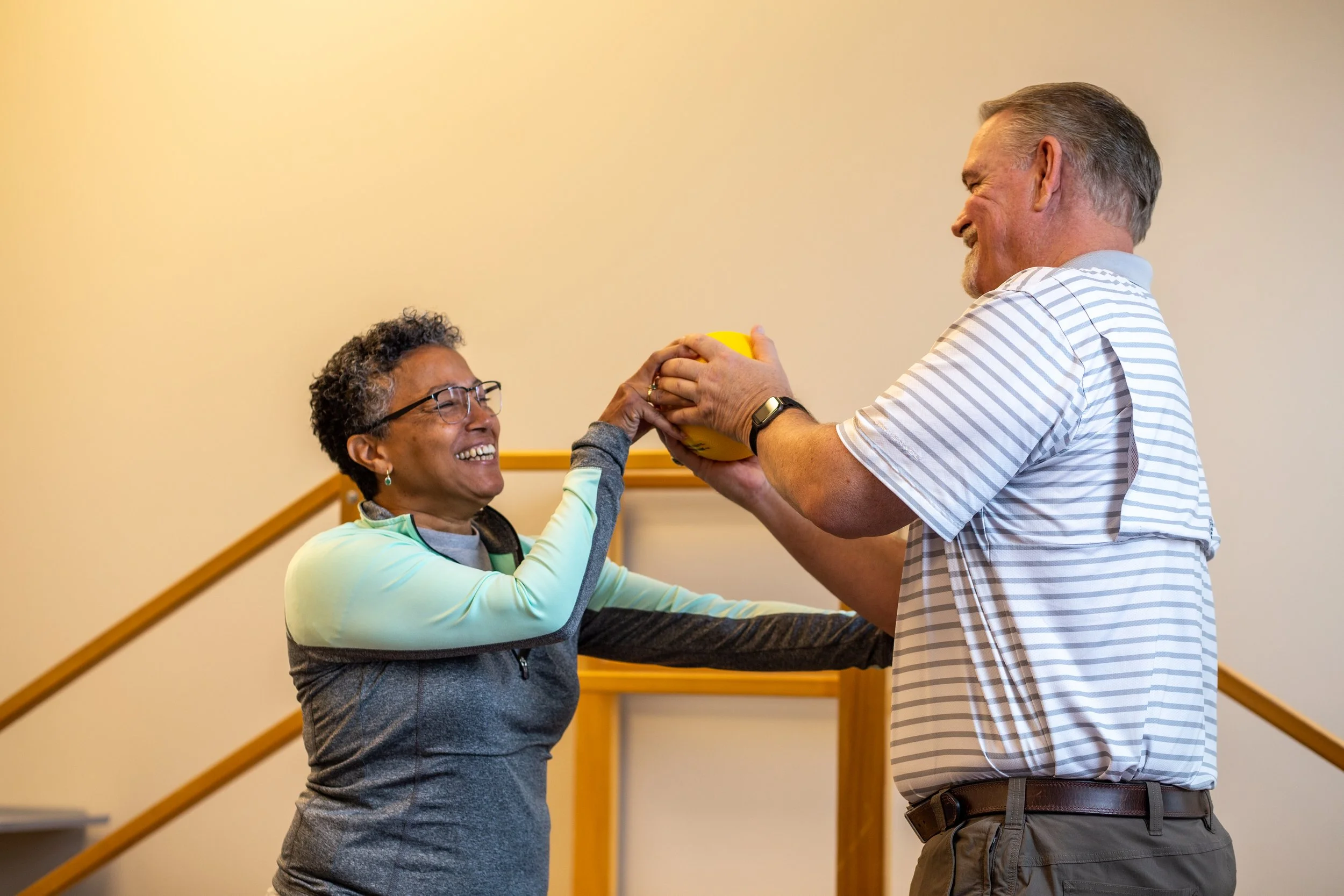
At Your Health, therapy is delivered where it matters most: in the home. Providing care in a familiar setting allows therapists to tailor treatment to real-life environments, addressing stairs, furniture, lighting, and daily routines directly. Home physical therapy supports comfort, consistency, and meaningful progress, especially for patients who may find travel challenging. By combining clinical expertise with practical, hands-on guidance, rehabilitation becomes more personalized, effective, and sustainable, helping patients maintain independence and improve quality of life over time.
What Is Physical Therapy?
Physical therapy helps patients improve movement, strength, balance, and overall physical function. It is commonly used after surgery, injury, illness, or when mobility declines over time. The primary goals of physical therapy are to reduce pain, restore movement, and help patients move more safely and confidently during everyday activities. Therapy also supports injury prevention and helps patients maintain mobility as their needs change.
A licensed physical therapist evaluates how the body moves and identifies areas of weakness, stiffness, limited range of motion, or imbalance. This evaluation may include observing walking patterns, posture, transfers, and functional movements. Based on these findings, the therapist creates an individualized treatment plan. Therapy may include guided exercises, balance training, stretching, gait training, and education on body mechanics. Strategies to manage pain and reduce strain during daily movement are also incorporated.
For older adults, physical therapy often addresses age-related changes in strength, endurance, and coordination that can affect safety and independence. Programs such as geriatric physical therapy and senior physical therapy emphasize fall prevention, joint protection, and functional mobility. In some situations, physical therapy for seniors is delivered entirely in the home. This approach allows care to reflect real-life environments, helping patients practice movements where they actually live and supporting safer, more meaningful progress over time.
What Is Occupational Therapy?
Physical therapy helps patients improve movement, strength, balance, and overall physical function. It is commonly recommended after surgery, injury, illness, or when mobility changes over time. The primary goals are to reduce pain, restore safe movement, and help patients regain confidence with everyday activities that support independence.
A licensed physical therapist begins by evaluating how the body moves and identifying areas of weakness, stiffness, limited range of motion, or imbalance. Based on this evaluation, an individualized treatment plan is created. Therapy may include guided exercises, balance training, stretching, gait training, posture correction, and techniques to support pain management. Care is focused on practical, functional improvements such as walking safely, standing from a seated position, transferring in and out of bed, and navigating stairs.
For older adults, therapy often addresses age-related changes in strength, endurance, and coordination that can affect safety and independence. Programs such as geriatric physical therapy and senior physical therapy emphasize fall prevention, joint protection, and maintaining mobility over time. In some situations, physical therapy for seniors is delivered in the home, allowing treatment to reflect real-life environments and daily challenges. This approach helps patients practice movements where they actually live, supporting safer and more meaningful progress.
When Physical or Occupational Therapy Is Recommended
Occupational therapy focuses on helping patients perform everyday activities safely, efficiently, and independently. While physical therapy addresses how the body moves, occupational therapy focuses on how movement is used during daily routines. This includes self-care, household tasks, work-related activities, and habits that support quality of life.
Occupational therapists assess how physical, cognitive, or sensory limitations affect daily function. They work closely with patients to identify challenges and develop practical strategies to reduce strain, fatigue, or risk of injury. Therapy may include training in safe techniques for dressing, bathing, grooming, meal preparation, and household management. Patients may also receive guidance on pacing activities, conserving energy, and improving body mechanics during routine tasks.
Adaptive tools and environmental modifications are often introduced to support safety and independence. These may include recommendations for assistive devices, home layout adjustments, or changes to routines that make daily activities more manageable. Occupational therapy is especially valuable for patients recovering from illness or surgery, managing chronic conditions, or adjusting to changes in strength, coordination, or endurance. By focusing on practical, personalized solutions, occupational therapy helps patients maintain confidence, independence, and control within their own homes.
What to Expect in a Therapy Session
Therapy begins with a comprehensive evaluation designed to understand each patient’s medical history, current abilities, and personal goals. Therapists assess strength, balance, flexibility, coordination, and mobility, along with how patients move and function within their home environment. This initial evaluation also considers pain levels, daily routines, and any safety concerns that may affect progress. The information gathered helps guide a personalized plan of care that reflects both clinical needs and real-life challenges.
Each therapy session focuses on targeted activities that support progress toward individual goals. Sessions may include guided exercises, functional movement training, balance activities, education, and hands-on techniques when appropriate. Therapists provide clear instruction and feedback, helping patients understand how each activity supports recovery and daily function. Treatment plans are adjusted over time based on progress, comfort level, and patient input to ensure care remains effective and achievable.
Progress is monitored regularly, and goals are updated as strength, mobility, or confidence improves. Education is a central part of every session, helping patients learn safe movement strategies, manage symptoms, and continue progress between visits. Therapy sessions are collaborative, supportive, and paced to meet each patient’s needs, promoting steady improvement and long-term success.

Your Health Physical and Occupational Therapists



Begin Your Journey to Better Health
Want to improve your mobility and regain your independence? Contact us today to schedule your appointment and take the first step toward your recovery.

Enjoy our PT/OT Resources


Moving Forward With Confidence at Home
Physical and occupational therapy at Your Health is designed to support recovery, independence, and long-term function. By delivering care in the home, our team helps patients build strength, improve safety, and regain confidence in daily life. If you or a loved one may benefit from therapy services, we encourage you to schedule an evaluation and take the next step toward improved movement and independence.